
Modal cotton Briefs Manufacturer
Modal cotton brief production from 300 pieces. Softer and heavier in the hand than pure cotton, with a matte surface that keeps the cotton look. Suited to mid-tier retail where customers want better softness without paying for premium modal.
Why brands choose modal cotton for briefs
modal is a regenerated cellulose fibre from beech wood, with a smoother surface than cotton and better drape. In a brief, that shows up as softer and heavier in the hand than pure cotton, with a matte surface that keeps the cotton look.
The practical consequences are measurable: a Modal cotton brief in 160–190 gsm typically air-dries in 3–4 hours, with less stiffness after line drying than pure cotton, and its stretch comes from mild natural give from the modal content, usually without elastane. Those properties are why the fabric suits mid-tier retail where customers want better softness without paying for premium modal.
- Weight: 160–190 gsm
- Composition: 50% micro modal / 50% combed cotton
- Stretch: mild natural give from the modal content, usually without elastane
- Care: shrinks less than pure cotton in the first wash, which reduces the size complaints that follow hot laundering
- Certification: OEKO-TEX and FSC-sourced modal available
More in this family
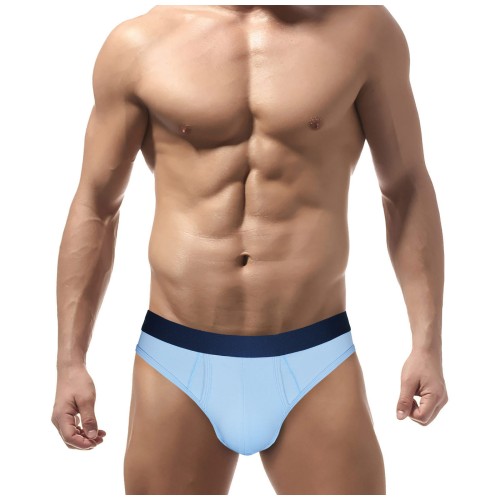
Classic briefs
Full-rise briefs with elastic leg openings for volume retail and multipack programmes.
- Full rise
- Easily printed
- MOQ 300 pcs
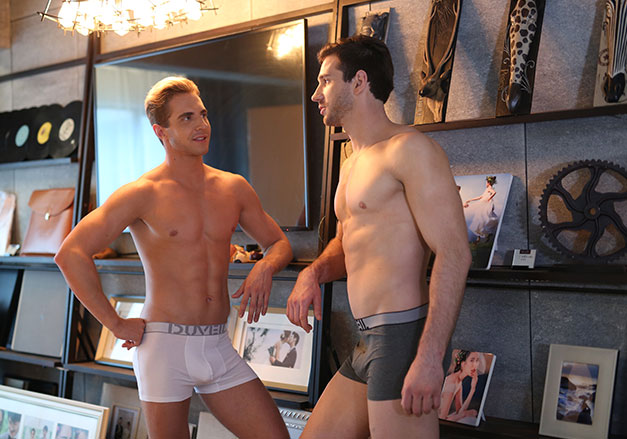
Boxer briefs
The same fabric family in a longer leg, with contour pouch options.
- 3–8 inch inseam
- Flatlock seams
- S–3XL
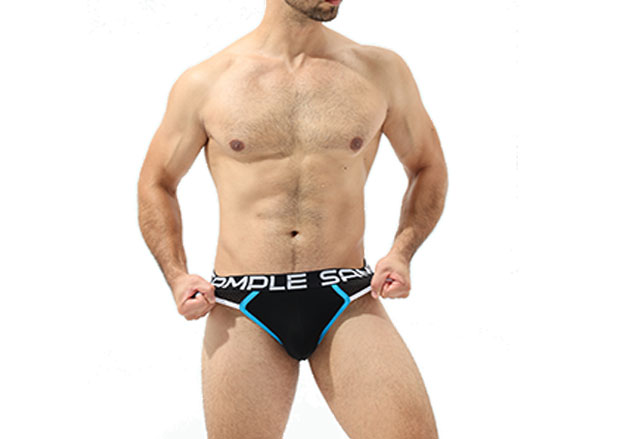
Jockstraps & thongs
Awkward, low-volume styles that most factories decline — we do not.
- MOQ 300 pcs
- Elastic braid
- Two fit revisions
Running modal cotton briefs properly
Fabric behaviour documented
Mild natural give from the modal content, usually without elastane — recorded in the fabric standard and checked on every bulk lot before cutting.
Finishing controlled
Shrinks less than pure cotton in the first wash, which reduces the size complaints that follow hot laundering. The finishing line is set to that, not to a default.
Symmetry measured
Front panel alignment and leg opening height measured on the first ten garments and again at the end of the run.
Wash tested
Shrinkage and colour fastness tested on the bulk fabric; the numbers travel with the shipment.
Multipack ready
Mixed-size packs assembled from a single cutting lot so shade stays consistent within the pack.
Certified options
OEKO-TEX and FSC-sourced modal available. Certificates are filed under the order number for your supplier onboarding.
Modal cotton brief programme parameters
| Fabric | 50% micro modal / 50% combed cotton |
|---|---|
| Weight | 160–190 gsm |
| Stretch | mild natural give from the modal content, usually without elastane |
| Care | shrinks less than pure cotton in the first wash, which reduces the size complaints that follow hot laundering |
| MOQ | 300 pcs per style on stock fabric |
| Sizes | S–3XL, custom grading available |
| Waistband | Rolled, woven, jacquard or embossed, with your branding |
| Packing | Polybag, 3-pack, 5-pack, retail box, mixed size packs |
| Sampling | 5–7 days development; 10–12 days size set |
| Production | 15–45 days from deposit and approval |
Modal cotton brief questions
What is your minimum order quantity (MOQ)?
Our standard MOQ is 300–1,000 pieces per style, mixed sizes. Styles using stock fabric can start from 300 pieces; a fully custom knit or dye lot usually starts at 1,000 pieces per colour. Tell us your target quantity and we will confirm what is achievable.
How long does sampling take?
A development sample takes 5–7 working days after artwork and fabric are confirmed. A full size set takes 10–12 working days. Sample cost is credited against the bulk order.
What is the lead time for bulk production?
Bulk production runs 15–45 days from deposit and approved pre-production sample, depending on quantity, fabric availability and trim lead times. We confirm the schedule in writing before you pay the deposit.
Which payment terms do you accept?
T/T (30% deposit, 70% against the copy of the bill of lading), L/C at sight, and PayPal for samples. Terms are confirmed in the proforma invoice.
Can you handle fabric, labels and packaging as well?
Yes. Fabric knitting, dyeing, cutting, sewing, printing, embroidery, labels, hangtags and retail packaging all sit inside our own supply chain, so a single purchase order covers the finished, retail-ready product.
How do you control quality?
Every order passes an incoming fabric inspection, an in-line check at 30% and 70% of the run, a final AQL 2.5 inspection before packing, and a shipment check against the approved sample and packing list.
How does modal cotton compare with cotton for briefs?
Softer and heavier in the hand than pure cotton, with a matte surface that keeps the cotton look. It performs best in mid-tier retail where customers want better softness without paying for premium modal, where the fabric's properties are worth the price difference. Cotton remains the better choice for value programmes washed at high temperatures.
What should the care label say?
Shrinks less than pure cotton in the first wash, which reduces the size complaints that follow hot laundering. We prepare the care and composition labelling to the destination market's requirements as part of the order file.
Modal cotton briefs: what the fibre actually does
modal is a regenerated cellulose fibre from beech wood, with a smoother surface than cotton and better drape. In a garment as small as a brief, that characteristic is amplified — there is less fabric to mask a weakness and less bulk to hide a strength.
At 160–190 gsm, this knit sits in the middle of the brief weight range. Lighter and the garment becomes transparent in pale colours; heavier and it stops being comfortable under trousers. The weight also determines how the brief dries: in practice it air-dries in 3–4 hours, with less stiffness after line drying than pure cotton.
Stretch and recovery
Mild natural give from the modal content, usually without elastane. For briefs, recovery matters more than raw stretch: a garment that extends easily and returns to shape holds its fit, while one that extends and stays extended looks worn by the end of the season. We test recovery on the bulk fabric rather than on the sample.
Where it fits commercially
This fabric performs best in mid-tier retail where customers want better softness without paying for premium modal. That is a positioning decision as much as a technical one, because the same brief cut in two different fabrics can sit at very different price points without changing anything else about the product.
Production notes
The blend is the most common upgrade we quote for briefs, because it improves hand feel at a modest fabric cost. Certification: OEKO-TEX and FSC-sourced modal available. If your programme makes a fibre claim in its marketing, we collect the supporting documentation before production starts so the claim is covered.
Send us your tech pack — get a costed quotation in one working day
Tell us the style, the fabric, the target quantity and the destination market. You will get a price breakdown, a sampling plan and a realistic lead time, not a range designed to be negotiated later.
- Free sampling plan & cost breakdown
- MOQ from 300 pcs per style
- Reply within 1 working day