
Custom T-Shirt Manufacturer
OEM and ODM T-shirt manufacturing in cotton, Modal and cotton-polyester blends, with custom printing, embroidery, garment washing and retail packaging to suit your brand's requirements.
A commodity garment with a hundred variables
Almost every factory claims to make T-shirts, which is why so many T-shirt programmes arrive with the same complaints: a collar that stretched, a print that cracked, a body that shrank one size, a size L that fits like a medium. The garment is simple; the specification is not.
We run T-shirt production with collar construction, fabric compaction, print method and wash finish all specified in writing before sampling. That is what makes the difference between a T-shirt that survives twenty washes and one that looks tired after five.
- Crew, V-neck, oversized, boxy, fitted and long-body blocks
- Combed cotton, organic cotton, cotton/elastane, cotton/polyester and performance knits
- 140 gsm to 420 gsm, from summer lightweights to heavy streetwear weights
- Rib collar, self-fabric collar, neck tape and drop-shoulder options
- Screen print, DTG, DTF, sublimation, embroidery, puff and discharge printing

T-shirt builds we produce
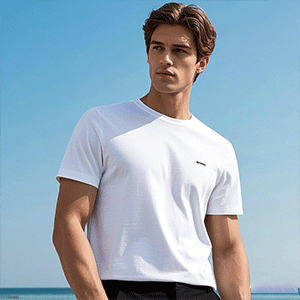
Classic crew neck
The volume style: 160–180 gsm combed cotton with a rib collar and side seams.
- 160–180 gsm
- Rib collar
- S–3XL
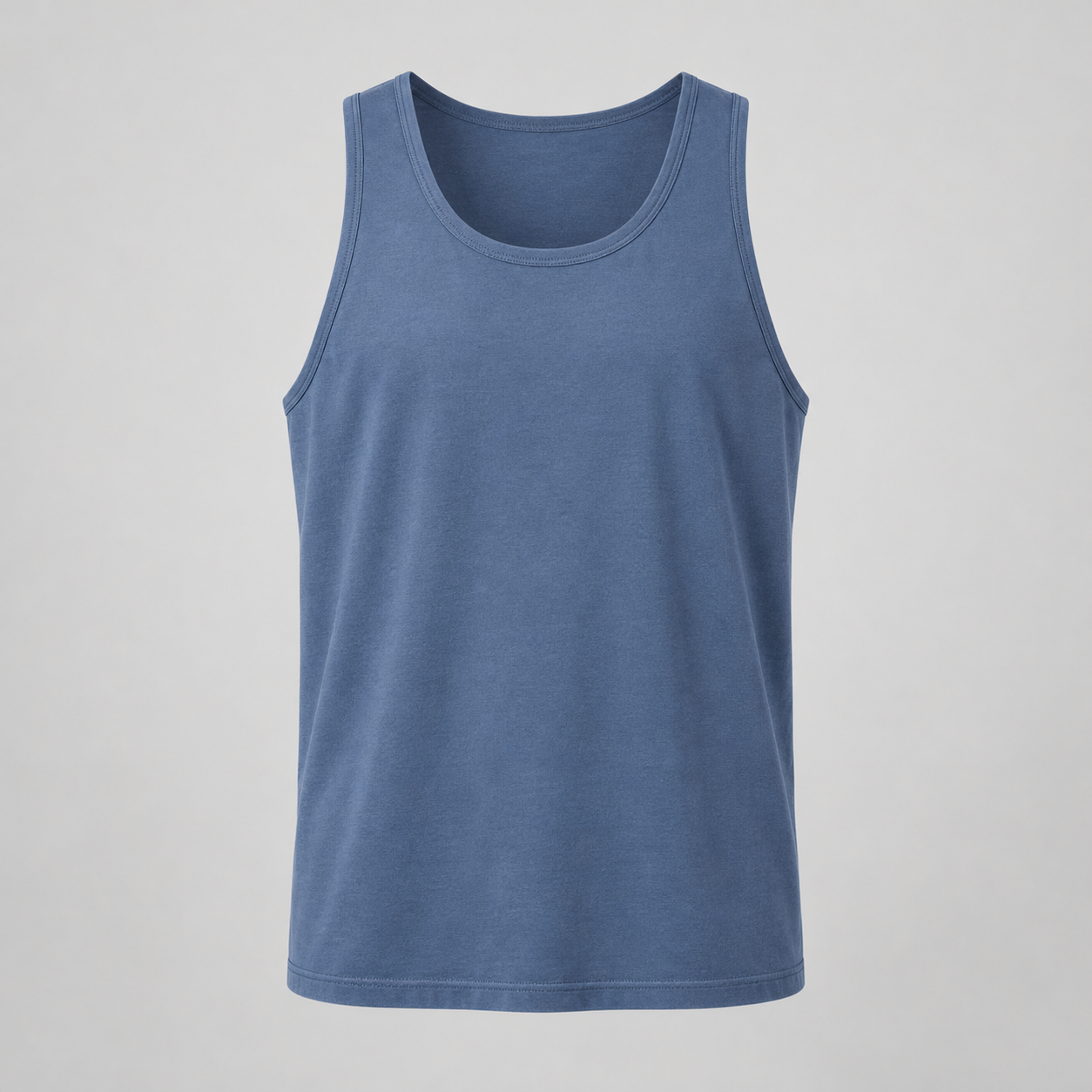
Tank tops
Ribbed and jersey tank tops for underwear, gym and layering programmes.
- Rib or jersey
- Deep and standard armholes
- Multipack ready
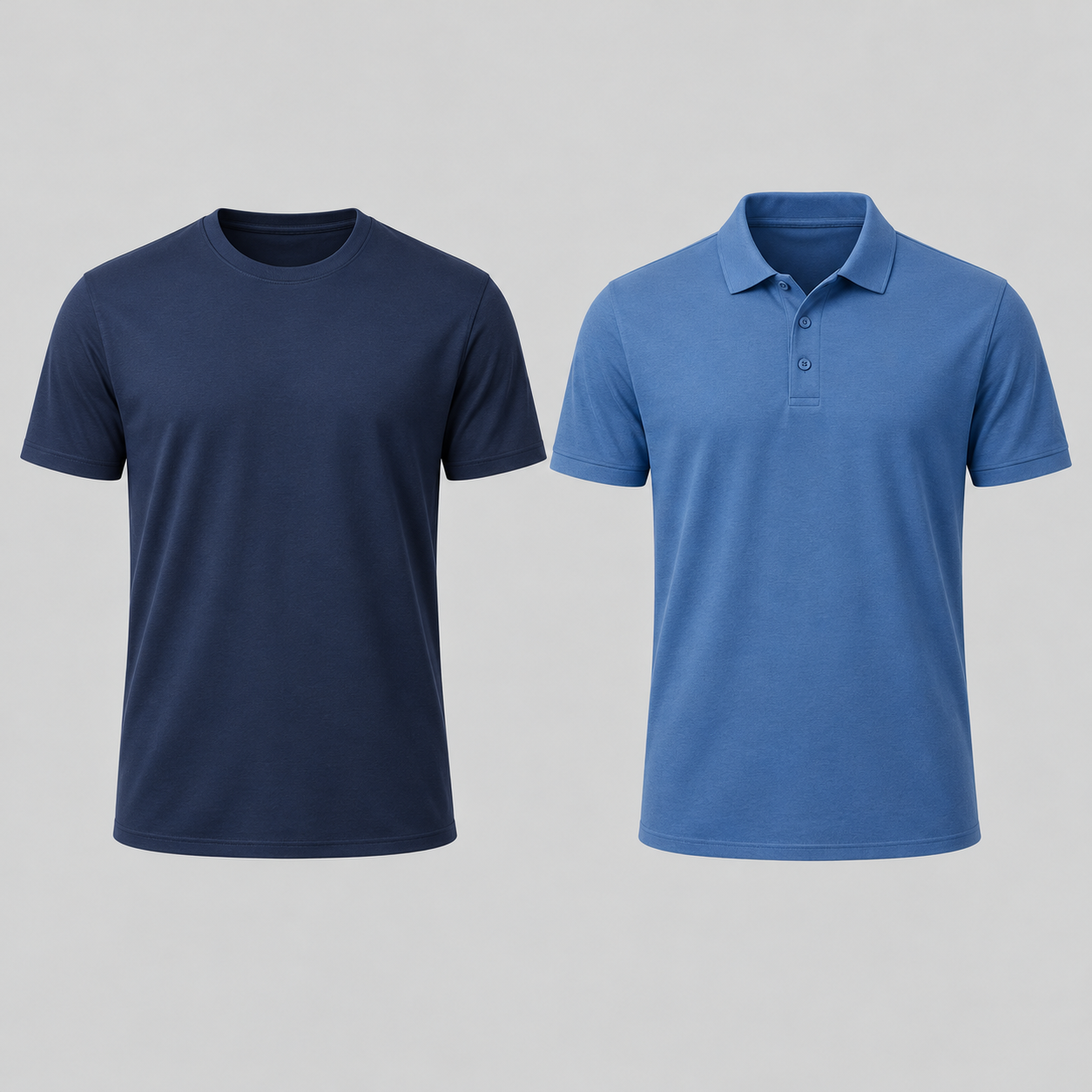
Seamless T-shirts & polos
Circular-knit seamless bodies with bonded edges for modern basics.
- Seamless body
- Bonded edges
- Tag-free

Oversized & boxy
Heavyweight boxy fits for streetwear and fashion-led brands.
- 220–420 gsm
- Drop shoulder
- Washed finishes
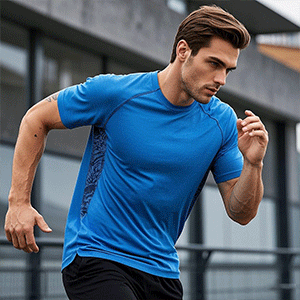
Performance T-shirts
Polyester and blend knits with wicking, anti-odour and UV finishes.
- Wicking finish
- Fast dry
- Sport fit

Printed & embroidered
Retail-ready prints with strike-off approval before bulk production.
- Screen · DTG · DTF
- Discharge & puff
- Embroidery
What a T-shirt factory should be able to prove
Collar construction data
Collar rib width, stretch and attachment tension documented per style, with a two-wash test before bulk.
Shrinkage controlled
Compact knitting and pre-shrinking bring residual shrinkage under 5% on cotton bodies; boosted fabric options for heavy weights.
Print approved on bulk fabric
Strike-offs on the production fabric and ink system, so colour and hand are not a surprise on the finished garment.
Organic and recycled options
GOTS organic cotton and GRS recycled polyester with chain-of-custody documentation for your claims.
Weights from 140 to 420 gsm
From featherweight summer bodies to heavyweight streetwear, all sourced through mills we control.
Sampling in 5–7 days
Fast prototyping so a seasonal drop can be tested and corrected inside the selling window.
T-shirt knits
T-shirt programme parameters
| MOQ | 300 pcs per style on stock fabric |
|---|---|
| Sizes | XS–4XL, custom grading available |
| Weights | 140 gsm to 420 gsm |
| Fits | Classic, fitted, oversized, boxy, crop, long body |
| Collar | Rib, self-fabric, neck tape, drop shoulder |
| Screen, DTG, DTF, sublimation, discharge, puff, embroidery | |
| Wash | Enzyme, silicone, acid, garment dye, vintage wash |
| Sampling | 5–7 days |
| Production | 15–45 days from deposit and approval |
How a T-Shirt Order Runs
Brief and Costing
Share your tech pack or reference sample, including fabric weight, fit, printing requirements and target quantity. We review the specifications and provide a quotation.
Fabric and Print Confirmation
Confirm the fabric composition, GSM, colour and printing requirements. Print samples or strike-offs can be arranged for approval when needed.
Sample Development and Fit Review
We develop a sample to review the fit, measurements, collar construction and overall workmanship against your requirements.
Size Set and Pre-Production Approval
Confirm size grading, measurements and final product details. Relevant fabric shrinkage requirements are reviewed before bulk production.
Bulk Production and Quality Checks
Bulk production follows the approved sample and specifications, with incoming material checks, in-line inspections and final quality checks.
Packing and Shipment
Garments are packed according to your requirements, including polybags, hangers or other retail packaging options. Carton details and export documentation are coordinated for shipment.
Documentation and Testing for Your Market
Compliance requirements vary by brand, retailer and destination market. We can discuss the relevant documentation, factory audit requirements and product testing based on your order specifications.
Product Certifications
Relevant fabric and product certificates can be discussed upon request, depending on the materials used and the requirements of your order.
Factory Audits
Factory audit requirements can be reviewed during supplier onboarding to determine the applicable process and documentation.
Fabric Composition and Material Documentation
Supporting documents for materials such as cotton, Modal, bamboo-derived fibres and recycled polyester can be discussed according to the material source and specific claims.
Colour Fastness and Shrinkage Testing
Testing for colour fastness, shrinkage and other performance requirements can be arranged upon request. Additional costs and lead times may apply.
Export and Customs Documentation
Commercial invoices, packing lists and other applicable shipping documents are prepared according to the order and destination requirements.
Buyer-Specific Testing
If your brand or retailer requires specific testing protocols or third-party laboratory testing, please share the requirements so we can review the scope, costs and arrangements.
T-shirt manufacturing questions
What is your minimum order quantity (MOQ)?
Our standard MOQ is 300–1,000 pieces per style, mixed sizes. Styles using stock fabric can start from 300 pieces; a fully custom knit or dye lot usually starts at 1,000 pieces per colour. Tell us your target quantity and we will confirm what is achievable.
How long does sampling take?
A development sample takes 5–7 working days after artwork and fabric are confirmed. A full size set takes 10–12 working days. Sample cost is credited against the bulk order.
What is the lead time for bulk production?
Bulk production runs 15–45 days from deposit and approved pre-production sample, depending on quantity, fabric availability and trim lead times. We confirm the schedule in writing before you pay the deposit.
Which payment terms do you accept?
Our standard bulk payment terms are T/T (30% deposit and 70% balance before shipment). Sample payments can be made via PayPal. Final payment terms are confirmed in the proforma invoice.
Can you handle fabric, labels and packaging as well?
Yes. Fabric knitting, dyeing, cutting, sewing, printing, embroidery, labels, hangtags and retail packaging all sit inside our own supply chain, so a single purchase order covers the finished, retail-ready product.
How do you control quality?
Our quality control process includes incoming material checks, in-line inspections during production and final quality checks before shipment. Products are checked against the approved sample and specifications to help ensure consistent quality.
Which print method should I use?
Screen print is the cheapest route for large runs and solid colours. DTG and DTF suit small runs and photographic artwork but cost more per unit. Discharge printing gives a soft, vintage look on cotton. We quote two options so you can compare on your actual artwork.
Why do some T-shirts shrink a full size?
Usually because the fabric was not compacted or pre-shrunk before cutting. Residual shrinkage above 5% on a cotton body means the garment loses a size in the first wash. We test shrinkage on bulk fabric and reject lots outside the agreed tolerance.
Why T-shirt quality varies so much between factories
The T-shirt is the most widely produced garment in the world, and the gap between a good one and a poor one is almost entirely specification. Two factories can quote the same price for the same silhouette and deliver products that behave completely differently after five washes, because one compacted the fabric and the other did not; one tested the collar and the other trusted the pattern.
Shrinkage: The Hidden Variable
Cotton jersey can shrink after washing, depending on the fabric and finishing process. Fabric compaction and suitable shrinkage-control methods help improve dimensional stability.
Confirming shrinkage requirements before bulk production helps reduce unexpected size changes and costly returns.
Collar Construction
A stretched or misshapen collar can affect the overall look of a T-shirt. Rib width, stretch, recovery, elastane content and attachment tension all influence how the neckline fits and retains its shape. We review these details during sample development and adjust the construction according to the fabric and design. The goal is a neckline that maintains a neat appearance and comfortable fit through regular wear and washing.
Printing on the production fabric
Print performance depends on the fabric it sits on: the same ink on two different knits can look matte on one and glossy on the other, and can crack on the knit with more stretch. Strike-offs are made on the actual bulk fabric, not on a standard test panel, and approved in writing before the print run starts.
Heavyweight basics and streetwear
Above 240 gsm the garment behaves differently: seams need stronger construction, collars need wider ribs to carry the weight, and the drape changes. Programmes targeting streetwear usually want 260–320 gsm with a boxy body and a slightly wider shoulder. We sample those specs because the difference between 220 gsm and 300 gsm changes both the price and the customer’s perception of the brand.
Send Us Your Tech Pack for a T-Shirt Quote
Share your tech pack or reference images, along with your target quantity and fabric requirements. We’ll review your project and provide a quotation, sampling details and estimated production lead time, typically within one working day.
- Quotation and Sampling Details
- MOQ from 300 Pieces per Style
- Reply Within 1 Working Day