
Compression Clothing Manufacturer
Compression base layers, tights, tops and shorts in high-elastane performance knits, with flatlock construction, zoned patterning and wash-recovery testing.
Zoned construction for real support
Compression clothing works when the knit, the panels and the seams are designed together. A supportive calf panel sewn with a standard seam will chafe; a zoned pattern cut from a single-stretch fabric will not deliver the support the pattern promises.
We develop compression programmes with zoned panels, flatlock or bonded seams, and a fabric specification set by measurement rather than by hand feel.
- Compression tops, tights, shorts and base layers
- Zoned panels with different stretch levels in one garment
- Flatlock, bonded and cover-stitch construction
- Silicone grippers, mesh ventilation and reflective detailing
- Recovery and shrinkage testing on bulk fabric
What we produce
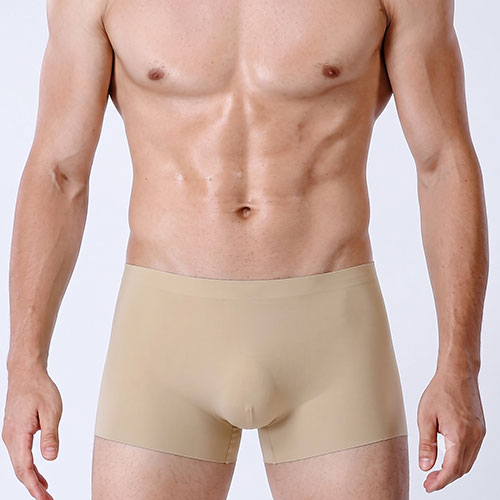
Compression shorts
Flatlock shorts with a supportive knit and an optional contour panel.
- 18–22% elastane
- Flatlock seams
- Inseam options
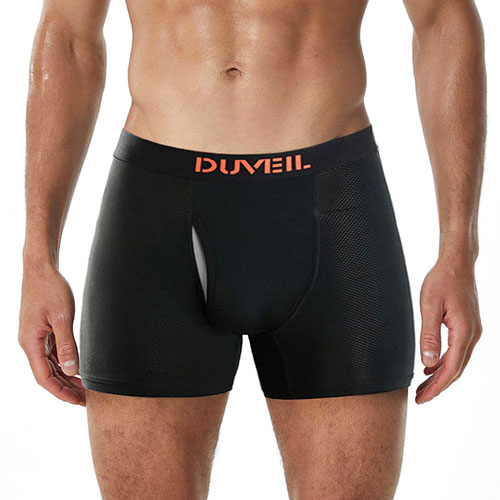
Compression tops
Base-layer tops with zoned mesh ventilation and bonded hem edges.
- Zoned mesh
- Wicking finish
- Flatlock construction
Compression tights
Full-length tights with silicone grippers and zoned support panels.
- Zoned panels
- Silicone gripper
- Extensive grading
Compression clothing questions
What is your minimum order quantity (MOQ)?
Our standard MOQ is 300–1,000 pieces per style, mixed sizes. Styles using stock fabric can start from 300 pieces; a fully custom knit or dye lot usually starts at 1,000 pieces per colour. Tell us your target quantity and we will confirm what is achievable.
How long does sampling take?
A development sample takes 5–7 working days after artwork and fabric are confirmed. A full size set takes 10–12 working days. Sample cost is credited against the bulk order.
What is the lead time for bulk production?
Bulk production runs 15–45 days from deposit and approved pre-production sample, depending on quantity, fabric availability and trim lead times. We confirm the schedule in writing before you pay the deposit.
Which payment terms do you accept?
T/T (30% deposit, 70% against the copy of the bill of lading), L/C at sight, and PayPal for samples. Terms are confirmed in the proforma invoice.
Can you handle fabric, labels and packaging as well?
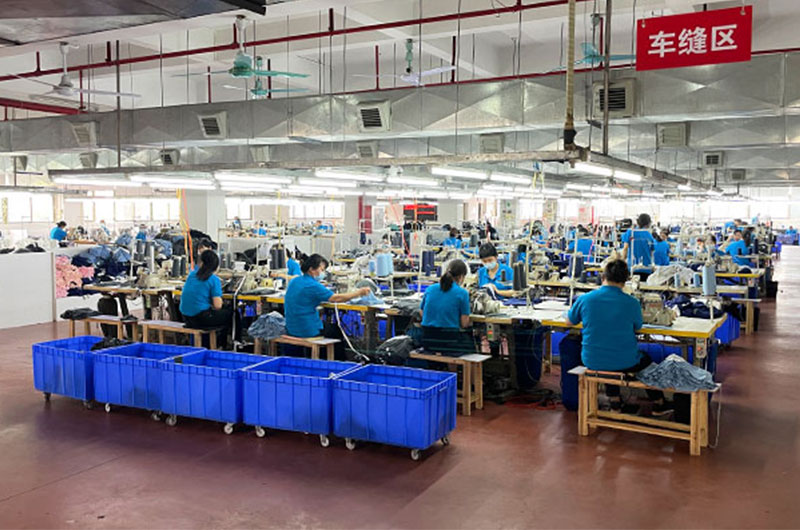
Yes. Fabric knitting, dyeing, cutting, sewing, printing, embroidery, labels, hangtags and retail packaging all sit inside our own supply chain, so a single purchase order covers the finished, retail-ready product.
How do you control quality?
Every order passes an incoming fabric inspection, an in-line check at 30% and 70% of the run, a final AQL 2.5 inspection before packing, and a shipment check against the approved sample and packing list.
Can you develop a zoned compression garment?
Yes. It starts with a pattern specifying each zone and the stretch required in it, then a knitting or panel-selection exercise to match. Expect one extra sampling round compared with a single-stretch garment.
The difference between activewear and compression
Activewear is designed to move comfortably; compression is designed to apply a measured force. Both are made from stretch knits, and they are frequently confused, which is why so many products described as compression clothing do not deliver measurable support.
Zoning is where the support comes from
A single-stretch garment applies roughly the same force everywhere, which means it is limited by the tightest part of the body it has to fit. Zoned construction lets a garment apply more force where support is wanted and less where movement is needed. That requires the pattern and the fabric to be developed together.
Seams decide whether it is wearable
Compression garments sit under load, which pushes seams against the skin. Flatlock distributes pressure across a wider area than a standard stitch; bonding removes the stitch entirely. Both are more expensive per garment and both are essential if the product is going to be worn for an hour rather than worn once.
Testing that predicts real use
We test extension force, cyclic recovery and shrinkage after three washes on bulk fabric, and record the numbers. That data lets a brand make a defensible claim and lets us detect a fabric lot that has drifted before it is cut.
Request a sample & pricing information
Send us your tech pack, target price or a reference sample — we reply with a quotation, a realistic lead time and a fabric recommendation within one working day.
- Free sampling plan & cost breakdown
- MOQ from 300 pcs per style
- Reply within 1 working day