
Custom Briefs Factory: How to Order Men’s Briefs Under Your Own Brand
Ordering custom men’s briefs under your own brand means working through seven decisions in order: the cut, the fabric, the waistband, the logo, the sample, the…
Ordering custom men’s briefs under your own brand means working through seven decisions in order: the cut, the fabric, the waistband, the logo, the sample, the order structure, and the packaging. According to Finetex’s published underwear program details, its full-customization MOQ is 1,000-3,000 pieces per design with mixed sizes, with flexibility depending on the fabric, color, and style, so every order starts from your specific combination. This guide walks the order in the same sequence the factory will use, so the brief stays complete and the samples come back right.
Why Briefs Are a Different Order Than Boxer Briefs
Briefs and boxer briefs are different products with different pattern logic, and the order should treat them that way. The brief has a shorter leg, a different rise, and a waistband that carries more of the fit; the boxer brief adds leg coverage that changes the grading and the fabric behavior.
That difference matters at the brief stage. The waistband tension and the leg opening are the two fit drivers, and a factory that specializes in briefs can explain how the two interact. When you order, name the cut precisely, give the rise and the leg-opening measurements, and ask the factory to confirm the pattern assumptions before sampling. A brief ordered with boxer-brief assumptions will come back with the wrong fit and a confusing revision cycle.
The sizing question is part of the same difference. Briefs grade tightly around the waist and the hip, so the size set matters more than in looser styles. If the brand sells online, the size chart and the fit notes carry the purchase decision, and the sample approval should include a size-set measurement record that becomes the chart. A brief that grades evenly across the run protects the launch from the category’s most common return reason: the wrong fit in the middle sizes. A brief that assumes the boxer-brief cut carries that risk into the grading run, so the wrong fit repeats across the size set.
Choosing the Right Fabric for a Briefs Line
The fabric decision for briefs is a balance between support and hand feel. Common options include combed cotton for everyday comfort, modal or micro modal for softness, bamboo viscose for a smooth drape, and nylon or polyamide blends for performance and moisture management.
Ask for the blend percentages, the fabric weight, and the stretch recovery behavior before sampling, because the brief’s fit depends on how the fabric recovers between washes. A fabric that feels soft in the swatch but loses its recovery will produce a brief that bags within a month. Request swatches in the weights you are considering, wash them once, and compare the hand feel against your reference before committing to the sample round.
The season and the price point should guide the weight band. A summer program or a value line leans toward lighter weights and simpler blends; a year-round basics line needs a mid-weight fabric that balances comfort and durability; a premium program can justify modal-rich blends or a brushed finish. Name the weight band in the brief so the factory quotes the right fabric family instead of the first option in its library. A soft swatch that loses its recovery becomes a brief that bags within the month, so the swatch wash test is the first gate. Request the candidate weights, wash them once, and judge the hand feel against the reference before the sample round is committed.
Waistband and Logo: The Branding Decisions
The waistband is the brand’s most visible surface on a brief, and the logo decision usually happens here. According to Finetex’s published briefs program details, its branding options include woven waistbands, heat-transfer labels, and printed logos, and its finishes include odor control, moisture management, and anti-bacterial coating, so a full-service factory can produce the band and the label together.
| Band and logo option | Better for | What to verify |
|---|---|---|
| Woven waistband | Premium brand story, repeat orders | Pattern clarity, edge finish, recovery |
| Heat-transfer label | Small batches, quick changes | Adhesion after washing, edge curl |
| Printed logo | Cost-sensitive programs | Fading, cracking, placement |
The waistband sample deserves its own check: wash it several times and confirm the logo survives the customer’s real cycle. The band is the first thing touched and the first thing reviewed, so the sample is where the brand promise is set.
Logo placement is part of the brand decision. A waistband logo reads differently than a heat-transfer label at the back, and the placement affects the production cost and the sample approval. Ask the factory to show the logo at the actual band scale, because a logo that looks right on a swatch can look crowded or lost on a finished brief.
The Sampling Path: From First Sample to PP Sample
The sampling path for briefs has three gates. The development sample proves the cut and the fabric; the revision sample incorporates the fit feedback; the pre-production sample locks the production configuration.
Measure the development sample across the size set, not just the middle size, because briefs grade tightly and the waistband carries the fit. Wash the samples in the customer’s cycle and re-measure for shrinkage and twist. According to Finetex’s published program details, sampling generally runs about 5-7 days and bulk production 15-45 days after deposit, so the sampling window fits a standard launch calendar when the brief is complete and the revisions are disciplined.
Document every revision in the same file: what changed, why it changed, and what the factory confirmed. The revision record is the evidence for the PP sample and the bulk approval, and it prevents the classic failure of approving a fix that was never written down. A briefs program with clean revision records moves through sampling faster than one that re-explains changes at every gate.
MOQ, Pricing, and Bulk Lead Times
The order structure is the same design, color, fabric, and size question as every garment. Confirm the minimum per design with mixed sizes, and ask how the minimum changes with a second color or a custom component.
Finetex’s current underwear page states a full-customization MOQ of 1,000-3,000 pieces per design with mixed sizes, and flexibility depends on the fabric, color, and style. Use the underwear MOQ guide to convert that structure into a SKU-level order, and compare the unit price at two or three quantities so the tier decision is based on numbers rather than hope.
The price comparison should separate the fixed from the variable: development and sampling are fixed, the garment and the packaging are variable, and freight scales with the order. When two factories quote the same unit price, the difference is usually in the lines that are not quoted. Ask what is included explicitly and compare the landed cost per sellable unit.
Packaging and Retail-Ready Options
Packaging is part of the product for a briefs line. A polybag with a barcode suits marketplace fulfillment; a retail-ready fold with a hang tag suits brick-and-mortar; a premium box suits a gift or subscription program.
Confirm the packaging spec in the sample round, including the label content, the barcode placement, and the carton plan. According to Finetex’s published program details, its underwear program covers packaging to your brand’s requirements, so the packaging conversation should happen before bulk, not after the goods are sewn.
The channel decides the packaging tier. A marketplace order needs a polybag with a barcode and a case plan that matches the fulfillment rules; a retail order needs a fold and a hang tag that present on a shelf; a subscription or gift program can justify a box. Approve the packaging in the sample round and get the carton dimensions and weights in writing, because the freight quote and the fulfillment plan both depend on them.
Questions to Ask Before You Commit
A sourcing manager’s view on the pre-deposit checklist
A sourcing manager who has run underwear programs treats the deposit conversation as the last filter, not the first. In their experience, the factories that answer the pre-deposit questions with documents rather than assurances are the ones that stay on schedule, and the ones that deflect are the ones whose change requests appear after the money moves. The discipline they recommend: never place the deposit on the strength of a single quote; place it on the strength of the complete order file, with the brief, the samples, the packaging spec, and the payment terms all agreed in writing.
Run the final questions before the deposit: Is the minimum per design, and can sizes be mixed? Does the second color double the minimum? Which fabric weight and blend are quoted? What do the sampling, PP sample, and bulk lead times look like for my order? What does the unit price include, and what is quoted separately? What packaging and label spec is confirmed?
Finetex’s men’s underwear manufacturing page covers the briefs, boxer briefs, trunks, and jockstraps available for private label programs, and its contact page accepts sample and pricing requests. Bring the cut, the fabric direction, the size range, the quantity, and the target market, and the factory can answer the whole order structure in one conversation.
Frequently Asked Questions
What is the difference between briefs and boxer briefs in production?
The cut, the rise, and the grading differ. Briefs have a shorter leg and a waistband that carries more of the fit; boxer briefs add leg coverage that changes the pattern and the fabric behavior.
What fabric is best for a men’s briefs line?
It depends on the customer and the season. Combed cotton suits everyday basics, modal adds softness, bamboo viscose adds drape, and nylon blends suit performance. Ask for blends, weight, and stretch recovery before sampling.
What is the MOQ for custom briefs?
According to Finetex’s current underwear page, the full-customization MOQ is 1,000-3,000 pieces per design with mixed sizes, with flexibility depending on the fabric, color, and style. Confirm the structure for your exact combination.
How long does brief sampling take?
According to Finetex’s published program details, sampling generally runs about 5-7 days, with bulk production in 15-45 days after deposit. Confirm your specific order’s timeline in writing.
Should I order a PP sample before bulk?
Yes. The PP sample locks the production configuration and is the last gate before bulk. Measure it, wash it, and compare it with the approved development sample before releasing the order.
What should my brief include in the first inquiry?
The cut, the rise and leg-opening measurements, the fabric direction, the waistband and logo options, the size range, the quantity, and the target market. A complete brief produces a factory that can ask the right questions.
Sources
- Finetex Global — Men’s Underwear Manufacturing
- Finetex Global — Custom Briefs Factory
- Finetex Global — Contact Us
- Finetex Global — Custom Fabric
For the surrounding decisions in the same programme, see the choosing an underwear manufacturer.
More factory-floor notes for brand owners

Sample Revision Limits: How to Control Underwear Development Cost and Calendar
A sample revision limit should control scope, not block necessary correction. The buyer and factory need to distinguish…
Read more →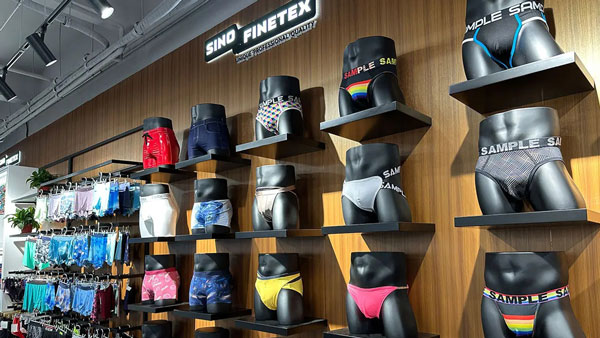
Lab Dips and Strike-Offs for Underwear: Approval Steps That Prevent Delays
A lab dip approves a dyed textile shade; a strike-off approves printed artwork on the intended substrate. They…
Read more →
Color MOQ Planning: How to Share Fabric Across Multiple Underwear Styles
Color MOQ planning works best when a brand treats dyed fabric as a shared material platform rather than…
Read more →
Underwear Fabric Utilization: How Marker Efficiency Changes Unit Cost
Fabric utilization converts a fabric quotation into a garment cost. The calculation must account for pattern area, fabric…
Read more →
Open Costing for Men’s Underwear: Reading Fabric, Trim, Labor and Overhead Lines
An open-cost sheet is useful only when every line is tied to a measurable specification, a purchasing unit…
Read more →Global Apparel Sourcing Outlook 2026: Cotton, Freight and Supply-Chain Risk
A data-led 2026 apparel sourcing outlook on cotton balances, freight volatility, supplier diversification, lead time, compliance and practical…
Read more →Request a sample & pricing information
Send us your tech pack, target price or a reference sample — we reply with a quotation, a realistic lead time and a fabric recommendation within one working day.
- Free sampling plan & cost breakdown
- MOQ from 300 pcs per style
- Reply within 1 working day