
First-Time Underwear Sourcing: Seven Mistakes New Buyers Make
First-time underwear sourcing fails on seven repeatable mistakes, and each mistake has a prevention: the vague brief, the skipped sample, the missing wash test, the MOQ…
First-time underwear sourcing fails on seven repeatable mistakes, and each mistake has a prevention: the vague brief, the skipped sample, the missing wash test, the MOQ confusion, the unprotected deposit, the ignored reorder math, and the single-source bet. According to Finetex’s published underwear program details, its line covers boxer briefs, trunks, briefs, and jockstraps with OEM and ODM support, which gives a new buyer a structured supplier to compare against. This guide pairs each mistake with the prevention, so the first order teaches instead of costing.
Mistake 1-2: Spec Gaps and Vague Briefs
The first mistake is the vague brief: the buyer sends a style name and a hope, and the factory returns a sample that matches neither. The prevention is the written spec, with the cut, the size range, the fabric direction, the colors, and the target price named before the first contact.
The second mistake is the spec gap: the brief names the product but not the measurements, the tolerances, or the packaging. The prevention is the complete brief, because the factory can only quote and sample what the brief defines. The buyer who sends a complete brief gets a sample worth testing; the buyer who sends a hope gets a guess.
The prevention is one document, not a conversation. The written spec travels with the order, and the buyer who writes it once uses it for every factory and every reorder. The spec is the cheapest insurance in the sourcing process.
Mistake 3-4: Skipping Samples and Wash Tests
The third mistake is skipping the sample: the buyer orders bulk from a quote and a swatch, then discovers the fit is wrong at the shipment. The prevention is the size-set sample, measured against the spec before any bulk commitment.
The fourth mistake is skipping the wash test: the buyer approves the sample on the first-wash look, then the returns arrive in the third month. The prevention is the third-wash test in the customer’s real cycle, checking shrinkage, color, and hand feel against the reference.
The two preventions belong together. The sample proves the fit, and the wash test proves the behavior, and the buyer who skips either inherits the cost of the other. The sample round is the cheapest quality insurance the launch can buy.
Mistake 5-6: MOQ Confusion and Deposit Risks
The fifth mistake is MOQ confusion: the buyer accepts a single number without the structure, then discovers the minimum applies per color or per fabric and the order doubles. The prevention is the four-dimension question: per design, per color, per fabric, and per size, with the mixing rule in writing.
According to Finetex’s current underwear page, the full-customization MOQ is 1,000-3,000 pieces per design with mixed sizes, so the structure question is answerable in specific terms. The buyer who confirms the structure before the order avoids the surprise at the invoice.
The sixth mistake is the unprotected deposit: the buyer pays a large deposit before the samples, the documents, and the terms are confirmed. The prevention is the deposit discipline: verify the factory, approve the samples, confirm the payment structure, and never pay the bulk deposit before the order file is complete.
Mistake 7: Ignoring the Reorder Math
The seventh mistake is ignoring the reorder: the buyer spends the margin on the first order and has no reserve when the best seller needs a restock. The prevention is the reorder plan, with the trigger, the reserve, and the calendar set before the first order ships.
The reorder math is simple: reorder point equals weekly sales times the total replenishment lead time plus safety stock. The first order’s data feeds the number, and the reserve funds it. The buyer who plans the reorder with the first order turns the launch into a program.
The reorder is where the margin is actually made, because the second order knows the market. The buyer who ignores the math spends the first season restarting after a stockout, and the buyer who plans it compounds the momentum.
The Signal That Each Mistake Sends
Each mistake sends a signal about the buyer’s process, and the signals are worth reading.
| Mistake | Signal | The fix |
|---|---|---|
| Vague brief | No process | Write the spec first |
| Skipped sample | No proof | Order the size set |
| Skipped wash test | No behavior data | Run the third-wash test |
| MOQ confusion | No structure | Ask the four dimensions |
| Unprotected deposit | No verification | Confirm the order file first |
| Ignored reorder | No plan | Set the trigger and the reserve |
| Single-source bet | No comparison | Compare like-for-like quotes |
The signal is the opportunity: the buyer who reads it fixes the process before the next order. The mistakes are not one-time events; they are the process’s warnings, and the process improves when the warnings are read.
Pre-Order Self-Checklist
Before the order, run the self-checklist: the written spec, the size-set sample, the third-wash test, the MOQ structure in writing, the verified factory, the payment terms, and the reorder plan. The checklist turns the first order from a gamble into a test.
A sourcing mentor’s view on first orders
A sourcing mentor who coaches first-time apparel buyers describes the first order as the most expensive education in the business. In their experience, the buyers who treat the seven mistakes as a checklist learn on the first order, while the buyers who treat them as surprises learn on the second. Their standard advice is to run the checklist before the deposit, because the order file is what turns a hope into a plan.
Finetex’s men’s underwear manufacturing page covers the boxer briefs, trunks, briefs, and jockstraps programs a first-time buyer verifies, and its contact page accepts sourcing briefs with the written spec. Bring the written spec and the target market, and the factory can quote the structure the checklist needs.
The single-source bet is the quiet mistake: the buyer compares one factory and accepts the quote without a reference, then discovers the market has a better price or a better fit. The prevention is the like-for-like comparison, with two or three factories quoting the same specification and the landed cost compared on the same lines.
The comparison should also cover the communication. The buyer who sends the same complete brief to two factories and reads the responses side by side sees the difference in the questions, the specifics, and the follow-up. The factory that engages with the brief is the factory that will engage with the reorder, and the comparison is the first evidence of the relationship.
The first order should also carry the acceptance plan. The inspection points, the sample size, and the acceptance rules should be agreed before production, because a first order without the plan is a first order that negotiates at the delivery. The acceptance plan is part of the order file, and the order file is the first order’s protection.
The seventh mistake is the ignored reorder, and the prevention deserves a second paragraph. The first order’s sell-through data is the cheapest research the brand will ever buy, and the reserve that funds the reorder is the only way to use it. The buyer who plans the reorder with the first order turns the launch into a program, and the program is where the margin is actually made.
The checklist is the first order’s contract with itself. The buyer who runs it before the deposit treats the first order as a test with a plan, and the plan produces the data the second order uses. The checklist is not a formality; it is the process that separates the learning buyer from the paying buyer.
The signal table is the buyer’s mirror. Each mistake maps to a process fix, and the buyer who reads the signal before the next order improves the process instead of repeating the mistake. The table turns the first order’s lessons into the second order’s process, and the process is what the brand actually owns.
The self-checklist should be run at two points: before the quote and before the deposit. The first run filters the factories, and the second run protects the payment. The buyer who runs the checklist twice keeps the first order from becoming the tuition.
The seven mistakes are the syllabus, and the first order is the exam. The buyer who studies the syllabus before the order passes the exam with data instead of tuition, and the data is the second order’s brief. The mistakes are avoidable, and the avoidance is the whole skill.
The first order is the cheapest test the market will offer, and the buyer who runs the checklist treats it that way. The test produces the data, the data produces the second order, and the second order is where the relationship and the margin compound.
Frequently Asked Questions
What is the biggest mistake in first-time underwear sourcing?
The vague brief, because it produces a sample that matches nothing. The written spec is the cheapest insurance in the process.
Do I need a sample before bulk?
Yes. Order the size set, measure it against the spec, and run the third-wash test before any bulk commitment.
How do I avoid MOQ confusion?
Ask the four dimensions: per design, per color, per fabric, and per size, with the mixing rule in writing. The structure question prevents the surprise at the invoice.
How do I protect the deposit?
Verify the factory, approve the samples, confirm the payment structure, and complete the order file before paying the bulk deposit.
What is the reorder math?
Reorder point equals weekly sales times the total replenishment lead time plus safety stock. Set the trigger and the reserve before the first order ships.
What should my pre-order checklist include?
The written spec, the sample, the wash test, the MOQ structure, the verified factory, the payment terms, and the reorder plan.
Sources
For the surrounding decisions in the same programme, see the choosing an underwear manufacturer.
More factory-floor notes for brand owners

Sample Revision Limits: How to Control Underwear Development Cost and Calendar
A sample revision limit should control scope, not block necessary correction. The buyer and factory need to distinguish…
Read more →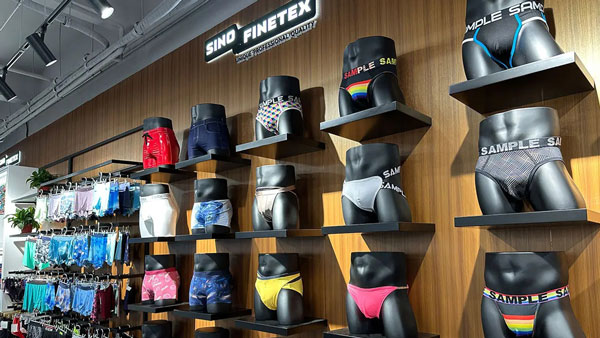
Lab Dips and Strike-Offs for Underwear: Approval Steps That Prevent Delays
A lab dip approves a dyed textile shade; a strike-off approves printed artwork on the intended substrate. They…
Read more →
Color MOQ Planning: How to Share Fabric Across Multiple Underwear Styles
Color MOQ planning works best when a brand treats dyed fabric as a shared material platform rather than…
Read more →
Underwear Fabric Utilization: How Marker Efficiency Changes Unit Cost
Fabric utilization converts a fabric quotation into a garment cost. The calculation must account for pattern area, fabric…
Read more →
Open Costing for Men’s Underwear: Reading Fabric, Trim, Labor and Overhead Lines
An open-cost sheet is useful only when every line is tied to a measurable specification, a purchasing unit…
Read more →Global Apparel Sourcing Outlook 2026: Cotton, Freight and Supply-Chain Risk
A data-led 2026 apparel sourcing outlook on cotton balances, freight volatility, supplier diversification, lead time, compliance and practical…
Read more →Request a sample & pricing information
Send us your tech pack, target price or a reference sample — we reply with a quotation, a realistic lead time and a fabric recommendation within one working day.
- Free sampling plan & cost breakdown
- MOQ from 300 pcs per style
- Reply within 1 working day