
How do I read an apparel inspection report?
How to read an apparel inspection report: lot and sample size, AQL and acceptance numbers by defect class, defects found, measurements, packing and labelling checks, photos,…

Part of Sampling, Orders, Quality & Shipping in Finetex Talk — buyer questions answered by the Finetex editorial team.
A brand receives its first final inspection report for a boxer brief order. It shows a result of pass, but also lists defects and some measurements outside tolerance, and the brand is unsure how to interpret it.
Short answer: An inspection report should be read section by section, because the overall result summarises a sampling decision, not the absence of defects. Start with the order details: style, colours, order quantity, quantity presented and how many cartons were packed, since inspection of an incomplete lot may not represent the shipment. Then check the sampling: the inspection level, the sample size drawn and the AQL for each defect class. Under ISO 2859-1, nonconformities can be classified into agreed classes, with the most serious class given the smallest AQL, and each class has its own acceptance and rejection numbers. The result is a pass for a class when the number found is at or below its acceptance number. Next, read the defect list, noting each defect type, its class and how many were found, and look for patterns, such as one defect repeating in one colour or size. Read the measurement table separately, because measurement findings may not be counted in the AQL result. Then check packing, labelling, barcodes, carton marks and quantities, which can fail even when workmanship passes. Finally, look at photos. A pass means the lot met the agreed sampling criteria; it does not mean the defects found are acceptable to ship without correction.
Sections to read
- Order and lot details.
- Sampling plan and AQLs.
- Defects by class.
- Measurements.
- Packing and labelling.
- Photos.
Questions to ask
- Was the whole lot packed?
- Do defects cluster in one colour or size?
- Are measurements counted in the result?
- Were the found defects replaced?
Possible decisions
- Accept and ship.
- Ask for sorting or rework, then ship.
- Re-inspect after rework.
- Discuss the result before deciding.
A worked example
As an illustration, a brand could accept a passed report but ask the factory to replace the defective pieces found and to check one recurring waistband issue on the remaining cartons of that colour before shipping.
Comparing reports over time
Keep reports for each order and compare defect types over time. Repeated issues point to a process problem that should be discussed with the factory before the next order.
Missing information
If a report does not show the sampling plan, AQLs, measured values or photos, ask the inspection provider for them before deciding. A pass or fail without these details is hard to rely on, and it makes comparison between orders difficult.
Limits
Sampling inspection is based on probability. Defects can still exist in pieces that were not sampled, even when a lot passes.
Facts, recommendations and uncertainty
Established: an inspection result reflects sampling criteria by defect class, and measurements and packing need separate reading. Recommendation: read all sections and look for patterns before deciding. Uncertain: the defect level in uninspected pieces.
Sources and further reading
Standards and regulations are referenced by their published scope. Test parameters, cycles and pass levels should be agreed with your laboratory for the specific product; legal requirements should be confirmed for each destination market.
Three more perspectives
Check that the report matches the purchase order quantities by colour and size, and ask why if fewer goods were presented. Agree in advance who pays for re-inspection after a failure. Share the report with the factory and request written corrective actions for any repeated defect. File reports with each order for future negotiations. Ask the factory for its own final check results to compare with the report.
Look at whether defects relate to design choices, such as a fabric that marks easily or a difficult seam, and consider changes for the next order. Review measurement trends across sizes, as they may suggest grading changes. Compare the report against customer feedback after sale. Note which defects customers would notice most, since this can guide which defect classes deserve the tightest AQLs on future orders.
Confirm the inspector used the approved sample and current specification. Check the classification of each defect against the agreed defect list, since a wrong class can change the result. Follow up on rework and ask for photos or a re-inspection. Keep a record of recurring defect types by factory and style. Check whether packing and labelling findings were included in the overall result or reported separately.
Related products
← More in Sampling, Orders, Quality & Shipping · All Talk topics · Ask us about your programme
More factory-floor notes for brand owners

Why did my reorder price go up?
Why an apparel reorder price can go up: fabric and trim costs, smaller quantities, specification changes, labour and…
Read more →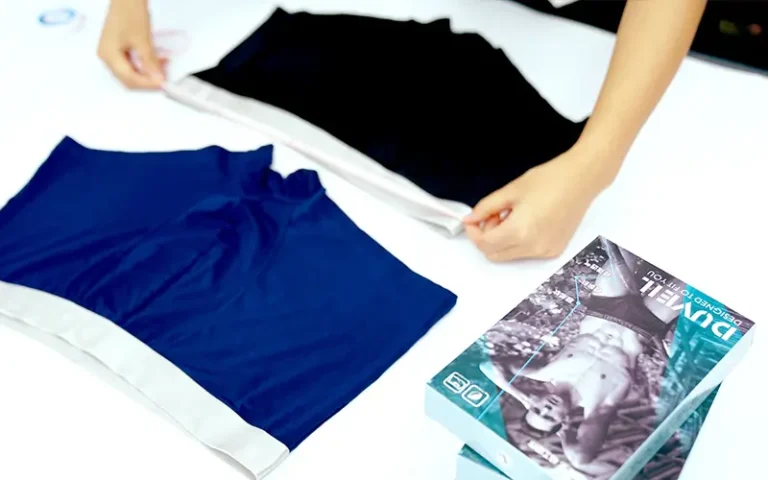
How do I read an underwear quotation line by line?
How to read an underwear quotation line by line: fabric, elastic and trims, labour, packaging, testing, overheads and…
Read more →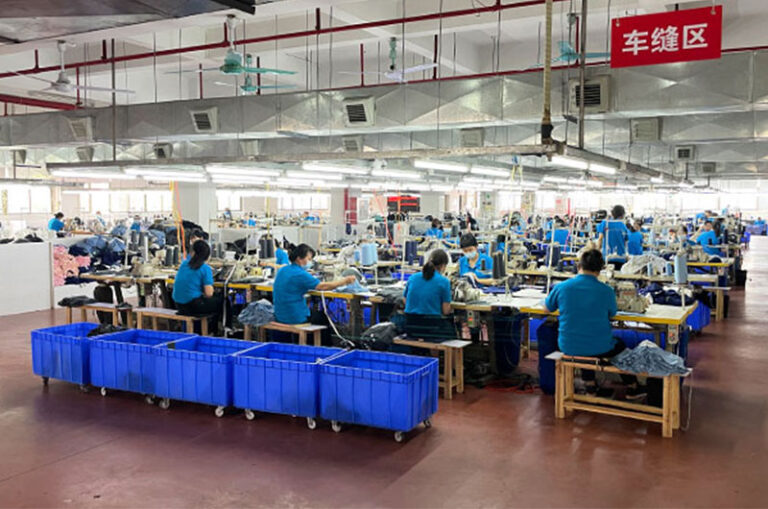
How do peak seasons affect apparel factory capacity?
How peak seasons and holidays affect apparel factory capacity and lead times, why fabric and shipping are also…
Read more →Should I split one style across two factories?
Whether to split one apparel style across two factories: the benefits for capacity and risk, the risks for…
Read more →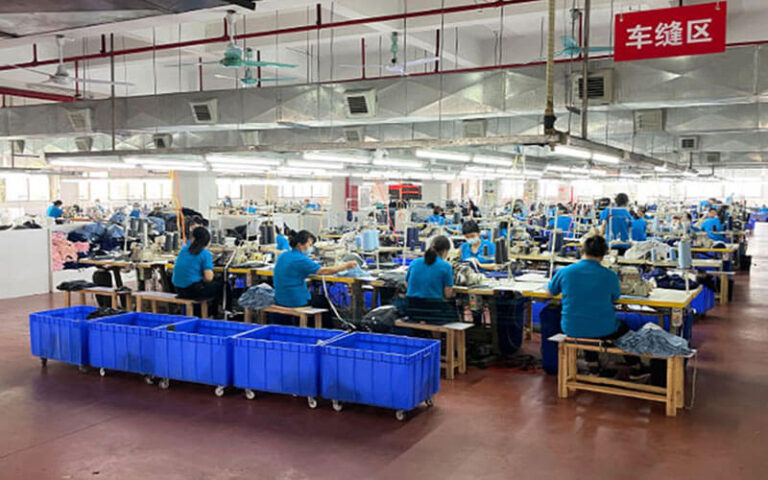
What are the biggest risks on a small brand’s first order?
The biggest risks on a small brand's first apparel order, from unclear specifications and sample approval to payment,…
Read more →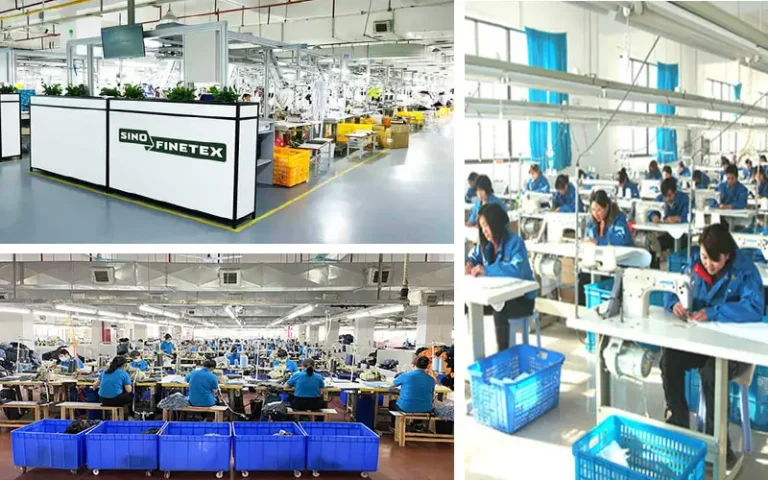
What changes should a factory notify before production?
Which changes a factory should notify the buyer about before production, such as fabric, dye, trims, subcontracting or…
Read more →Request a sample & pricing information
Send us your tech pack, target price or a reference sample — we reply with a quotation, a realistic lead time and a fabric recommendation within one working day.
- Free sampling plan & cost breakdown
- MOQ from 300 pcs per style
- Reply within 1 working day