
Why did my reorder price go up?
Why an apparel reorder price can go up: fabric and trim costs, smaller quantities, specification changes, labour and energy costs, exchange rates, tariffs and shipping terms,…

Part of Sampling, Orders, Quality & Shipping in Finetex Talk — buyer questions answered by the Finetex editorial team.
A brand reorders a boxer brief six months after its first order and receives a higher unit price. The factory says costs have risen, and the buyer wants to understand the reasons before agreeing.
Short answer: A reorder price can change for several reasons, and some are within the buyer's control. Common causes are changes in material costs, such as yarn, fabric, elastic or packaging; smaller quantities per colour or size than the first order, which raise per-unit setup and fabric costs; specification changes, even small ones such as a new label or packaging; and changes in labour, energy or other costs at the factory. Exchange rates can also change the price in your currency. If the original quotation had a validity period, the reorder may simply fall outside it. Shipping terms also matter. If you change the Incoterms rule, for example from FOB to DDP, the price includes different responsibilities; ICC guidance notes that DDP is the only rule where the seller pays import tariffs, and suggests that the Incoterms rules can support price renegotiation when tariff rates change. To review the increase, ask the factory to explain which cost lines changed and by how much, compared with the first order's quotation. Check whether quantities or specifications changed. Consider options such as consolidating colours, ordering larger quantities, keeping packaging unchanged or planning orders earlier. Agree the new price in writing, with a validity period.
Common reasons
- Material cost changes.
- Smaller quantities.
- Specification changes.
- Factory cost changes.
- Exchange rates.
- Quotation validity.
- Shipping terms and tariffs.
How to review
- Ask for changed cost lines.
- Compare with the first quotation.
- Check quantities and specification.
A worked example
As an illustration, a brand could ask the factory to show the first order's breakdown next to the reorder breakdown, then discuss whether ordering more per colour would reduce the increase.
Questions to ask
- Which cost lines changed?
- Is the change temporary or lasting?
- Does a larger quantity reduce it?
- Is the price still on the same Incoterms rule?
Reducing future surprises
Agree how long quotations are valid and how price changes will be communicated. Some buyers agree to review prices at fixed intervals, or link fabric cost to a shared reference. Plan reorders early enough to compare options and avoid rushed decisions.
Checking the comparison
Make sure the first quotation and the reorder quotation cover the same specification, quantities, packaging and shipping terms. A difference in any of these can look like a price increase when it is really a different order.
Limits
Some cost changes are outside both parties' control. A clear breakdown makes the discussion factual.
Facts, recommendations and uncertainty
Established: Incoterms rules affect which costs a price includes, and ICC guidance notes they can support price renegotiation when tariffs change. Recommendation: ask which cost lines changed and review quantities and specification before agreeing. Uncertain: future material and currency changes.
Sources and further reading
- ICC Guidance Note — Using the Incoterms® 2020 rules to manage tariff risk (2025)
- ICC — Incoterms® 2020
Standards and regulations are referenced by their published scope. Test parameters, cycles and pass levels should be agreed with your laboratory for the specific product; legal requirements should be confirmed for each destination market.
Three more perspectives
Ask for a written breakdown of the changes and keep previous quotations for comparison. Discuss price validity periods and how increases will be communicated in future. Consider longer-term planning to stabilise prices. Compare the new price with the total landed cost, including freight and duties, not just the unit price. Ask whether the factory can hold the price for a defined quantity or period. Keep records of each price change and its reasons.
Review whether specification changes are worth their cost. Consider standardising trims and packaging across styles. Avoid unnecessary changes between orders. Review your range for small differences in trims or packaging between styles that increase cost. Consolidating materials across styles can reduce costs. Keep the specification stable between orders. Review sales data to choose which colours and sizes to reorder.
Make sure any cost-saving changes do not reduce quality. Check reorders against the sealed sample. Retest if materials change. If the factory proposes cheaper materials to offset an increase, ask for samples and test results before agreeing. Check reorders for changes in fabric weight, elastic or packaging. Compare with the sealed sample and previous test reports. Retest after any approved material change.
Related products
← More in Sampling, Orders, Quality & Shipping · All Talk topics · Ask us about your programme
More factory-floor notes for brand owners
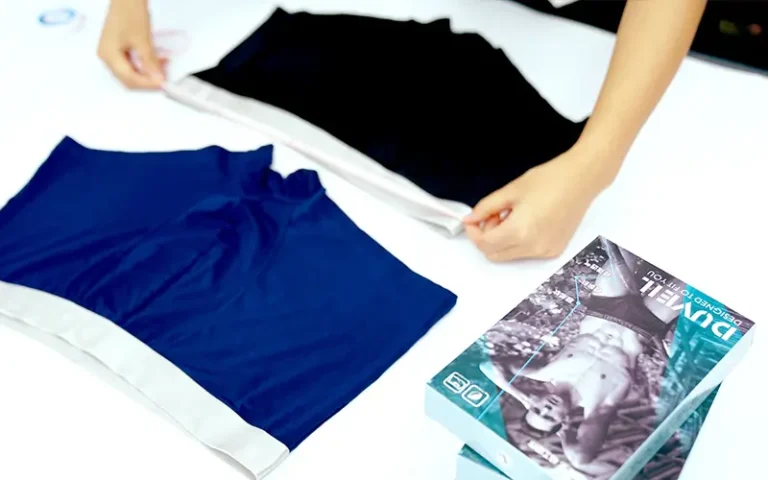
How do I read an underwear quotation line by line?
How to read an underwear quotation line by line: fabric, elastic and trims, labour, packaging, testing, overheads and…
Read more →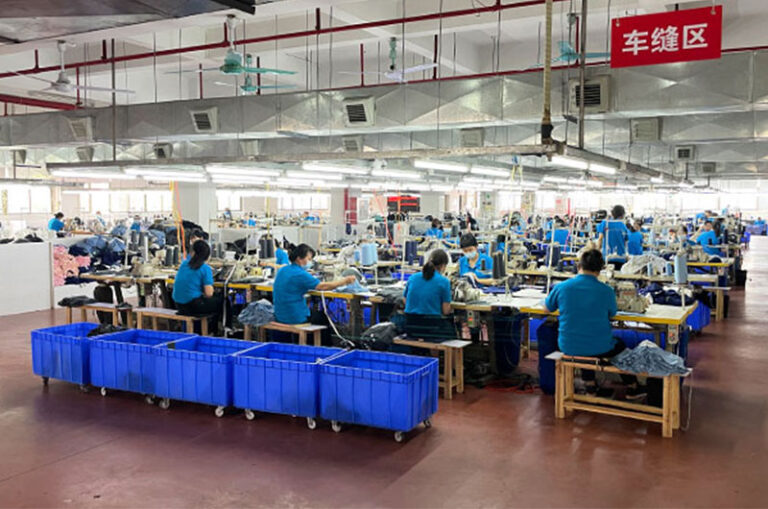
How do peak seasons affect apparel factory capacity?
How peak seasons and holidays affect apparel factory capacity and lead times, why fabric and shipping are also…
Read more →
Should I split one style across two factories?
Whether to split one apparel style across two factories: the benefits for capacity and risk, the risks for…
Read more →
What are the biggest risks on a small brand’s first order?
The biggest risks on a small brand's first apparel order, from unclear specifications and sample approval to payment,…
Read more →
What changes should a factory notify before production?
Which changes a factory should notify the buyer about before production, such as fabric, dye, trims, subcontracting or…
Read more →
What is a sealed or golden sample and why keep one?
What a sealed or golden sample is in apparel production, why buyers and factories keep one, how to…
Read more →Request a sample & pricing information
Send us your tech pack, target price or a reference sample — we reply with a quotation, a realistic lead time and a fabric recommendation within one working day.
- Free sampling plan & cost breakdown
- MOQ from 300 pcs per style
- Reply within 1 working day