
Sourcing Sustainable Clothing: Certifications Buyers Should Verify
The certification is evidence, not decoration. The certificate that the factory names and the certificate that the buyer verifies are two different documents, and the verification…
The certification is evidence, not decoration. The certificate that the factory names and the certificate that the buyer verifies are two different documents, and the verification in the official directory is what turns the sustainability claim from a promise into a fact. According to Finetex’s published program details, its custom fabric page covers the development path where certification questions arise, and its contact page accepts sourcing briefs. This guide runs the certification verification so the buyer’s claim is built on the checked record.
Certifications Are Evidence, Not Decorations
The certification’s value is in the verification, not in the badge. The certificate number, the scope, and the validity are the fields that make the badge verifiable, and the buyer should check each field against the official directory before the claim is made. The unverified badge is the decoration, and the verified record is the evidence.
The certification should also be matched to the claim. The fiber certification supports the fiber claim, the product test supports the restricted-substance claim, and the social audit supports the working-conditions claim, and the buyer should name the claim before choosing the certificate. The matched certificate is the claim’s support.
The certification should also be read with its limits. The certificate that covers one stage, one site, or one product does not cover the whole chain, and the buyer should know the scope before writing the listing. The known limit is the evidence’s honesty.
The certification should also be read with the market in view. The claim that is accepted in one market can carry a different rule in another, so the buyer should confirm the claim language against the destination market’s guidance rather than assume the certificate transfers. The market read is the certification’s legal context.
The Certification Landscape: GOTS, OEKO-TEX, GRS, BSCI
The common certification names each answer a different question. GOTS covers the organic fiber standard with the processing and the social criteria; OEKO-TEX covers the restricted-substance testing of the product; GRS covers the recycled-content claim with the chain of custody; and BSCI covers the social audit of the factory’s working conditions. The buyer should match the certificate to the claim the product will make.
| Certification | What it covers | The claim it supports |
|---|---|---|
| GOTS | Organic fiber and processing | Organic fiber claims |
| OEKO-TEX | Restricted-substance testing | Tested-safety claims |
| GRS | Recycled content and chain of custody | Recycled-content claims |
| BSCI | Social audit of working conditions | Social responsibility context |
The landscape should be read from each body’s official material, because the standards and the scopes change and the buyer’s claim should follow the current version. The official read is the landscape’s accuracy.
The landscape should also be read with the audit type in view. The product certifications are verified against the tested product, and the social audits are verified against the site, so the buyer should confirm which evidence the claim needs before requesting the documents. The audit-type read is the landscape’s precision.
Verifying in Official Directories
The verification should run in the certifying body’s official directory. The buyer should enter the certificate number, check that the holder’s name matches the supplier, and confirm that the scope and the validity cover the claim. The directory check is the verification’s core.
The verification should be repeated at the reorder. The certificate can expire, the scope can change, and the holder can change, so the buyer should re-check the number before each order rather than inherit the first check. The repeat check is the verification’s maintenance.
The verification should also be filed. The certificate number, the directory result, and the check date should sit in the order file, because the file answers the customer’s question and the audit’s question with the same document. The filed check is the verification’s record.
The verification should also be connected to the order’s lot. The certificate that is filed without the lot reference cannot answer the “was this garment covered” question, so the order file should tie the certificate to the lot or the shipment it covers. The lot tie is the verification’s completeness.
The verification should also be connected to the buyer’s own records. The directory result and the certificate copy should be referenced in the listing and the customer-service file, so the customer’s verification question is answered from the same document the buyer holds. The shared reference is the verification’s usability.
Reading Certificate Scope and Fields
The certificate’s fields should be read precisely. The holder, the site, the product scope, the standard version, and the validity dates are the fields that decide whether the certificate supports the claim, and the buyer should compare each field with the order’s actual product and supplier. The field read is the certificate’s truth.
The site field is the one that trips the claims. The certificate that covers the fabric mill does not cover the garment factory, and the buyer should confirm which site the order actually uses before extending the claim. The site match is the field read’s precision.
The product scope should also be matched. The certificate that covers one fabric construction does not automatically cover the new style, and the buyer should confirm the scope covers the ordered product. The scope match is the certificate’s validity.
The standard version should also be matched. The certificate that was issued under the previous standard version can lose its validity when the standard updates, so the buyer should confirm that the version is the current one and the claim follows it. The version check is the certificate’s currency.
Claim Boundaries for Your Brand
The claim boundaries should follow the verified certificates. The brand can claim what the certificate’s holder, site, scope, and validity support, and the claim should be written with the certificate reference so the customer can verify it. The bounded claim is the evidence’s presentation.
The claim should also be consistent across the channel. The listing, the tag, and the campaign should use the same claim language and the same certificate reference, because the customer who finds two versions trusts neither. The consistent claim is the brand’s credibility.
The claim should also be reviewed at the reorder. The certificate that changed between the orders should change the listing, and the buyer should update the claim with the new record rather than let the old one drift. The review is the claim’s maintenance.
The claim should also be reviewed against the product’s changes. The new fabric, the new decoration, or the new construction can fall outside the certificate’s scope, and the buyer should re-check the scope before extending the old claim to the new product. The product-change review is the claim’s accuracy.
The claim should also be reviewed against the marketing’s wording. The phrase that the marketing team writes can stretch past the verified record, so the final copy should be checked against the certificate’s scope before it goes live, with the claim and the record beside each other. The copy check is the claim’s last gate.
Sustainable Sourcing Checklist
The checklist before the sustainable claim has six gates. First, the claim is named and matched to the certificate type. Second, the certificate number is verified in the official directory. Third, the holder, site, scope, and validity cover the order. Fourth, the claim language is bounded by the verified record. Fifth, the claim is consistent across the channel. Sixth, the verification and the claim are filed for the reorder.
The checklist should also be run at the listing update. The claim that is added to a new listing, or carried into a new season, should pass the same six gates as the original, because the verification does not travel with the product by itself. The listing gate is the checklist’s enforcement.
A certification verification specialist’s view on sustainable claims
A certification verification specialist who checks sustainable claims for apparel buyers describes the directory check as the moment the claim becomes a fact. In their experience, the buyers who verify the number and read the scope avoid the overclaim, while the buyers who trust the badge inherit the complaint. Their standard advice is to match the certificate to the claim and re-check it at every reorder, because the sustainable claim is only as strong as the verified record behind it.
Finetex’s custom fabric page covers the development path where certification questions arise, and its contact page accepts sourcing briefs with the claim and the target market. Bring the claim and the certificate numbers, and the factory can provide the records and the documentation against the verification the buyer runs.
Frequently Asked Questions
What is the certification’s real value?
The verification, not the badge. The certificate number, scope, and validity checked against the official directory are what turn the sustainability claim into a fact.
What do GOTS, OEKO-TEX, GRS, and BSCI cover?
GOTS covers the organic fiber standard, OEKO-TEX covers restricted-substance testing, GRS covers recycled content with chain of custody, and BSCI covers the social audit of working conditions.
How do I verify a certificate?
Enter the number in the certifying body’s official directory, check that the holder matches the supplier, and confirm the scope and validity cover the order, repeating the check at every reorder.
What certificate fields matter?
The holder, the site, the product scope, the standard version, and the validity dates. The site field matters most, because the fabric mill’s certificate does not cover the garment factory.
What can my brand claim?
What the verified certificate’s holder, site, scope, and validity support, written with the certificate reference and kept consistent across the listing, tag, and campaign.
What should the sustainable sourcing checklist hold?
The named claim, the directory verification, the scope match, the bounded claim language, the channel consistency, and the filed verification for the reorder.
Sources
It sits inside the wider the apparel fabric selection guide, where the rest of the sequence is set out.
More factory-floor notes for brand owners

Sample Revision Limits: How to Control Underwear Development Cost and Calendar
A sample revision limit should control scope, not block necessary correction. The buyer and factory need to distinguish…
Read more →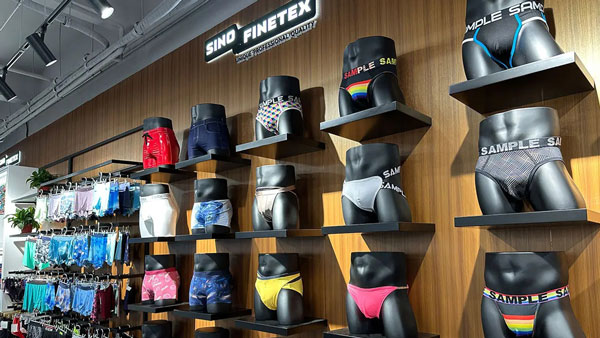
Lab Dips and Strike-Offs for Underwear: Approval Steps That Prevent Delays
A lab dip approves a dyed textile shade; a strike-off approves printed artwork on the intended substrate. They…
Read more →
Color MOQ Planning: How to Share Fabric Across Multiple Underwear Styles
Color MOQ planning works best when a brand treats dyed fabric as a shared material platform rather than…
Read more →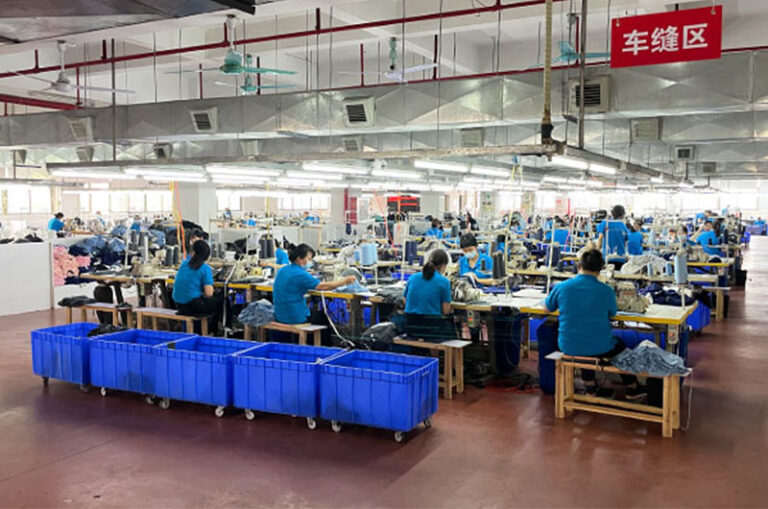
Underwear Fabric Utilization: How Marker Efficiency Changes Unit Cost
Fabric utilization converts a fabric quotation into a garment cost. The calculation must account for pattern area, fabric…
Read more →
Open Costing for Men’s Underwear: Reading Fabric, Trim, Labor and Overhead Lines
An open-cost sheet is useful only when every line is tied to a measurable specification, a purchasing unit…
Read more →Global Apparel Sourcing Outlook 2026: Cotton, Freight and Supply-Chain Risk
A data-led 2026 apparel sourcing outlook on cotton balances, freight volatility, supplier diversification, lead time, compliance and practical…
Read more →Request a sample & pricing information
Send us your tech pack, target price or a reference sample — we reply with a quotation, a realistic lead time and a fabric recommendation within one working day.
- Free sampling plan & cost breakdown
- MOQ from 300 pcs per style
- Reply within 1 working day