
Underwear QC for Buyers: What to Inspect Before You Accept a Bulk Order
Underwear quality control for a buyer runs on four checks: measure, weigh, wash, and inspect the seams and the waistband, and the checks should be scheduled…
Underwear quality control for a buyer runs on four checks: measure, weigh, wash, and inspect the seams and the waistband, and the checks should be scheduled before production, not discovered at the delivery. According to Finetex’s published quality control program details, its QC covers raw fabric inspection, in-process garment checks, and final inspection, which is the layered system a buyer should expect from a factory. This guide turns the system into a buyer’s checklist that works for a remote order.
Four Checks That Catch Most Underwear Problems
The four checks catch the problems that actually cause returns. The measurement check catches the fit issues; the weight check catches the fabric substitutions; the wash check catches the shrinkage, the color, and the twist; the seam and waistband check catches the construction failures.
| Check | What it catches | When to run it |
|---|---|---|
| Measure | Fit and grading errors | On the size set and the bulk samples |
| Weigh | Fabric substitution | On the bulk pieces |
| Wash | Shrinkage, color, twist | On the third-wash test |
| Seams and waistband | Construction failures | On the in-line and final checks |
The four checks should be agreed with the factory before production, because a check the factory knows about is a check the production line builds toward. A buyer who discovers the checks at the final inspection is negotiating from a weak position.
The checks should also be tied to the marketplace’s real failure points. Underwear returns on fit, fabric, and wash behavior, and the four checks map to those three causes: the measurement catches the fit, the weight catches the fabric, and the wash catches the behavior. The seam and waistband check catches the construction failures that appear after the first month, which is the review period that decides the listing.
In-Line vs Final Inspection: What Buyers Can Do
The inspection happens in two layers, and a remote buyer can use both. The in-line inspection checks the production while it runs, catching problems while they are cheap to fix; the final inspection checks the finished goods against the acceptance standard.
For a remote order, the in-line layer is a photo-and-video check at agreed points: the fabric check, the cutting, the sewing, and the waistband assembly. The final layer is either the factory’s inspection against the agreed standard or a third-party inspector’s random sample. The buyer should name both layers in the purchase order, because a layer that is not in the PO is a layer the factory will not schedule.
The buyer can also run the same four checks on the bulk samples that arrive, because the samples are the shipment in miniature. The bulk sample that matches the approved reference is the best evidence the batch is on standard.
Measuring and Weighing Samples From the Bulk
The measurement check starts with the size set and extends into the bulk. Measure each size at the waist, the hip, the rise, and the leg opening, and compare the numbers against the approved size-set record. The grade between sizes is where the fit story is won or lost, and the bulk check should span the size range, not just the middle.
The weight check is the fabric substitution detector. The approved reference has a weight, and the bulk pieces should match it within the agreed tolerance; a lighter weight means a thinner fabric, and a heavier weight means a different knit. The weight check is fast, cheap, and one of the most useful checks a buyer can run on a remote order.
The checks should be recorded in one table per batch, because the table is the evidence for the acceptance decision. A batch that passes the measurement and the weight but fails the wash is a batch with a specific problem, and the record shows which check caught it.
Wash Tests: What the Third Wash Reveals
The wash test is the underwear check that predicts the reviews. Wash a sample from the batch three times in the customer’s real cycle, and check the shrinkage, the color, the twist, and the hand feel against the approved reference.
The third wash is the standard because the customer judges the product after weeks, not after the first wearing. A garment that passes the first wash and fails the third is the garment that returns in the second month, and the third-wash test catches it before the shipment leaves.
The wash test should also cover the components. The waistband and the leg elastic fail first, so the recovery check after the wash belongs in the test record, and the shade check should be run against the approved color standard, not against a memory.
Seams, Waistbands, and Print Checks
The construction check covers the seams, the waistbands, and any print or label. The seams should be flat, the stitching should be even, and the leg and the waist openings should be finished cleanly. The waistband should recover after the wash, and the print or the transfer should show no cracking, peeling, or edge lifting.
The construction check also covers the label. The fiber content, the care instructions, and the origin should match the approved label proof, because a label error is a compliance problem, not a quality detail. The label check belongs in the same acceptance record as the seams and the waistband.
The tolerance questions should be answered before the inspection, not during it. What percentage of the batch can fall outside the measurement tolerance, what shade difference is acceptable, and what happens when the standard is missed? The written answers turn the inspection into a decision and the decision into a record.
The tolerances should be realistic, because a standard that no batch can meet is a standard that creates a dispute. The approved reference defines the target, and the tolerance defines the acceptable range around it; the factory and the buyer should agree both before production, so the inspection measures against a shared standard rather than two different expectations.
Working With a Third-Party Inspector
A third-party inspector brings an independent set of eyes and a standardized report, and the buyer should brief the inspector the same way it briefs the factory. The brief covers the approved samples, the acceptance rules, and the checks that matter: the measurement, the weight, the wash, and the construction.
The inspector’s report should be read for the fields that matter, not the summary line. The inspection scope, the date, the sample size, the findings, and the corrective actions all belong in the review, because a report without the fields is a marketing document, not evidence.
The inspector also extends the buyer’s reach. A remote buyer cannot watch the production line, but an inspector can, and the in-line layer that the buyer cannot run in person becomes a scheduled check with an independent record. The third-party layer is the bridge between the buyer’s standard and the factory’s floor, and the bridge works in both directions: the report tells the buyer what the factory produced and tells the factory what the buyer expects.
Building Your Inspection Record
The inspection record is the order’s memory: the approved reference, the batch measurements, the weights, the wash results, and the inspector’s report all belong in one file, and the file travels with the order. The record is the evidence if the batch drifts, and the reference for every reorder.
A QC manager’s view on buyer-side inspection
A QC manager who runs apparel inspections for importers describes the buyer’s inspection record as the difference between a complaint and a correction. In their experience, buyers who document the acceptance standard and the batch results get the factory’s attention, while buyers who rely on memory get the factory’s patience. Their standard advice is to agree the four checks and the tolerances before production, run them on the bulk samples, and keep the record with the order, because the record is what turns a quality dispute into a factual one.
Finetex’s men’s underwear manufacturing page covers the boxer briefs, trunks, briefs, and jockstraps available for private label programs, and its quality control page describes the inspection points behind an order. Bring the acceptance standard and the target market, and the factory can confirm the checks and the tolerances in the purchase order.
Frequently Asked Questions
What are the four underwear QC checks?
Measure the size set, weigh the bulk pieces, run the third-wash test, and inspect the seams, the waistbands, and the labels. The four checks catch the problems that cause returns.
Can a remote buyer run quality control?
Yes. Use the photo-and-video in-line checks, a third-party inspector, and the four checks on the bulk samples. The record makes the remote inspection evidence, and the agreed tolerances make the inspection a decision.
How do I detect a fabric substitution?
Weigh the bulk pieces against the approved reference within the agreed tolerance. A lighter or heavier weight signals a different fabric or knit.
Why is the third-wash test the standard?
The customer judges the product after weeks of washing, and the third wash catches the shrinkage, the color, and the twist that appear after the first cycle.
What should the inspector’s report include?
The inspection scope, the date, the sample size, the findings, and the corrective actions. A report without these fields is not evidence, and the fields are what make the report usable in a correction conversation.
What goes in the inspection record?
The approved reference, the batch measurements, the weights, the wash results, and the inspector’s report, all in one file with the order. The record is the reference for every reorder.
Sources
- Finetex Global — Men’s Underwear Manufacturing
- Finetex Global — Quality Control
- Finetex Global — Contact Us
For the surrounding decisions in the same programme, see the underwear QC, compliance and reorders.
More factory-floor notes for brand owners

Sample Revision Limits: How to Control Underwear Development Cost and Calendar
A sample revision limit should control scope, not block necessary correction. The buyer and factory need to distinguish…
Read more →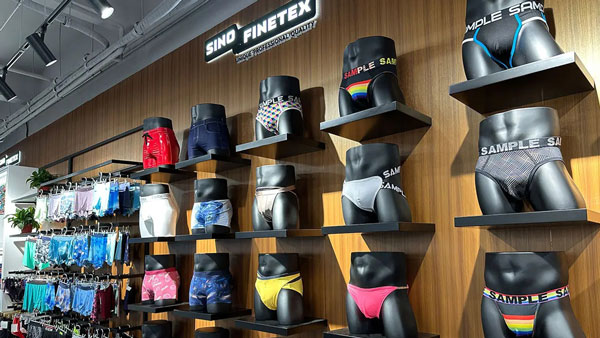
Lab Dips and Strike-Offs for Underwear: Approval Steps That Prevent Delays
A lab dip approves a dyed textile shade; a strike-off approves printed artwork on the intended substrate. They…
Read more →
Color MOQ Planning: How to Share Fabric Across Multiple Underwear Styles
Color MOQ planning works best when a brand treats dyed fabric as a shared material platform rather than…
Read more →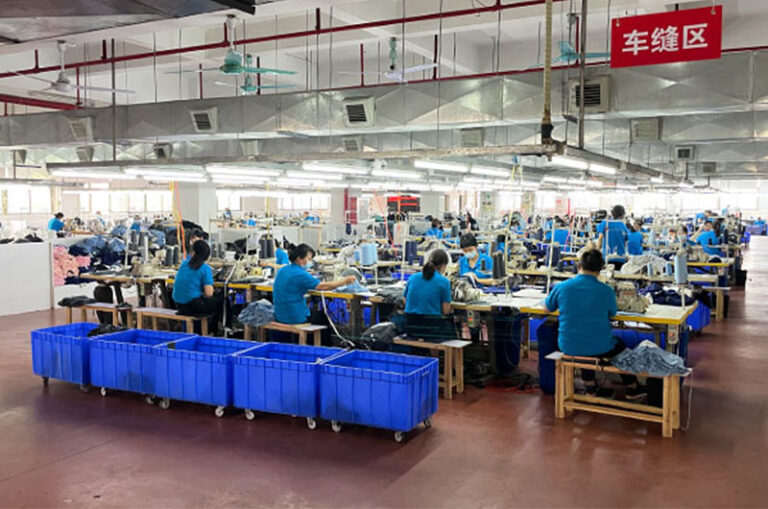
Underwear Fabric Utilization: How Marker Efficiency Changes Unit Cost
Fabric utilization converts a fabric quotation into a garment cost. The calculation must account for pattern area, fabric…
Read more →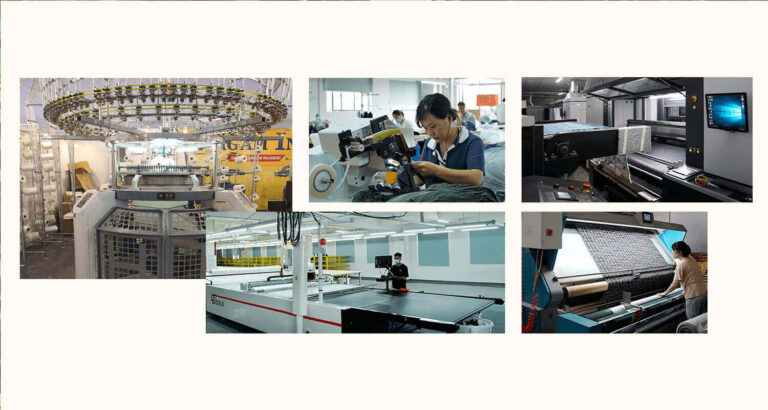
Open Costing for Men’s Underwear: Reading Fabric, Trim, Labor and Overhead Lines
An open-cost sheet is useful only when every line is tied to a measurable specification, a purchasing unit…
Read more →Global Apparel Sourcing Outlook 2026: Cotton, Freight and Supply-Chain Risk
A data-led 2026 apparel sourcing outlook on cotton balances, freight volatility, supplier diversification, lead time, compliance and practical…
Read more →Request a sample & pricing information
Send us your tech pack, target price or a reference sample — we reply with a quotation, a realistic lead time and a fabric recommendation within one working day.
- Free sampling plan & cost breakdown
- MOQ from 300 pcs per style
- Reply within 1 working day