
Micro Modal Underwear: Building a Softness Story That Converts
Micro modal underwear sells on a softness story, and the story converts when the seller can prove it: the fiber’s feel, the third-wash behavior, and the…
Micro modal underwear sells on a softness story, and the story converts when the seller can prove it: the fiber’s feel, the third-wash behavior, and the claim language all have to survive the customer’s real routine. According to Finetex’s published program details, its fabric range includes micro modal and modal options, which gives an online brand the material base for the story. This guide builds the softness claim from the fiber to the test, so the listing converts without overclaiming.
Why Micro Modal Feels Different
Micro modal is a regenerated cellulosic fiber with a fine denier, and the fineness is why it feels different: the fiber is finer and smoother than standard modal, which gives the fabric a soft, silky hand feel next to the skin. The feel is the product, and the seller should understand the mechanism before writing the claim.
The mechanism also explains the behavior. The smooth fiber reduces the friction against the skin, and the moisture behavior adds to the comfort story. The seller who can explain why the fabric feels soft can write a claim that sounds specific instead of generic.
The feel difference is the first thing the customer notices and the last thing they forgive. A micro modal garment that feels soft at the first wear and rough after three washes fails the category, which is why the softness story has to be a tested claim, not a sample-room impression.
Micro Modal vs Cotton vs Bamboo: A Seller’s View
The comparison matters because the seller is choosing between the softness stories, and the choice depends on the customer. Micro modal offers the softest, most consistent hand feel; cotton offers the familiar structure and the easiest care; bamboo viscose offers a smooth drape with a sourcing story.
| Fiber | Strength of the story | Watch out for |
|---|---|---|
| Micro modal | Softness and consistency | Care behavior and cost |
| Cotton | Familiarity and easy care | Less silky hand feel |
| Bamboo viscose | Drape and sourcing story | Claim gaps and processing |
The comparison should be tested, not assumed. The swatch comparison after a wash shows which fiber keeps its feel, and the wear test shows which one the customer segment prefers. The seller who tests the options against the segment makes the choice on evidence.
The Third-Wash Test for Softness
The third-wash test is the softness claim’s moment of truth. Wash the sample three times in the customer’s real cycle and check the hand feel against the reference, because the customer judges the product after weeks, not at the first touch.
The test should also cover the shrinkage and the pilling, because the softness story fails when the fabric pills or the garment shrinks. The third-wash record is the evidence for the claim, and the record belongs in the order file with the approved sample.
The test conditions should match the customer’s real habits, not the care label’s ideal. A customer who washes warm and dries hot will test the fabric harder than the label assumes, and the test that matches the real cycle is the test that predicts the reviews.
Claim Language: Soft vs. Proof
The claim language should separate the soft from the proof. Soft, smooth hand feel” is a claim the customer can verify; “unbelievably soft luxury” is an adjective without a test. The converting copy names the feel and the behavior, and it lets the customer’s own experience supply the praise.
The claim should also match the care story. If the care label warns about hot washes, the listing should say so, because the customer who ruins the fabric blames the product, not the label. The softness story and the care story are one system.
The claim’s confidence should come from the evidence, not the copy. The seller with the wash test and the sample approval can write a claim that converts; the seller with only the swatch writes a claim the reviews will test. The tone follows the record.
Sourcing and Sampling Micro Modal
The sourcing question starts with the fiber documentation. Ask for the fiber content, the blend ratio, and the source, and confirm the micro modal is what the claim says. According to Finetex’s published program details, its fabric range includes micro modal and modal options, and its custom fabric support covers sourcing and development.
The sample should be ordered against a spec, not a hope. Name the blend, the weight, and the finishing, and test the sample with the third-wash and the wear tests before approving. The sample round is where the softness story becomes a product truth.
The fiber decision also shapes the reorder. The micro modal source and the blend must stay repeatable, and the reorder should trace back to the same chain, because the seller who verifies the fiber once and assumes the second lot is taking a risk the reviews will expose.
When Micro Modal Isn’t the Right Choice
Micro modal is not the right choice for every product. A value program that needs the lowest cost per unit may find cotton the better fabric; a performance line that needs maximum sweat management may need a synthetic blend; a product with a heavy care cycle may struggle with the more delicate fiber.
The decision rule is the customer’s priority. If the customer values softness above all and the care story fits the channel, micro modal earns the slot; if the priority is price, performance, or durability, another fiber serves it better. The honest seller names the trade-off instead of forcing the fiber.
The trade-off should be tested in the comparison. The micro modal sample, the cotton sample, and the alternative blend sample should be washed, worn, and priced side by side, and the decision follows the evidence rather than the favorite.
A softness-driven brand buyer’s view on micro modal
A softness-driven brand buyer who sources underwear for direct-to-consumer labels describes micro modal as the fiber where the story and the test have to move together. In their experience, the sellers who write the softness claim before the wash test pay for it in the reviews, while the sellers who test first and write second build a claim that compounds. Their standard advice is to run the third-wash test before the listing, because the claim that survives the wash is the claim that survives the season.
Finetex’s men’s underwear manufacturing page offers the micro modal and softness programs behind a premium basics line, and its contact page accepts fiber briefs with the segment and the blend direction. Bring the segment and the blend direction, and the factory can quote the fiber, the ratio, and the sample.
The micro modal story also carries a price implication. The fiber can support a premium when the softness and the durability are real, and the premium survives when the customer experiences both in the first month. The seller should price the story against the channel’s range and test the price with the listing, because a softness story priced outside the customer’s expectation converts once and dies on the reorder.
The segment decides the micro modal fit as much as the fabric. A warm-sleeper segment values the moisture behavior, a commuter segment values the shape retention, and a gift segment values the hand feel at the first touch. The seller who names the segment in the brief gets a fabric recommendation and a fit profile that match, and the sample round confirms the match before the order.
The micro modal story is a test of claim discipline. The seller who runs the third-wash test, keeps the record, and writes the claim from the evidence converts the softness into a review and a reorder; the seller who writes the claim from the swatch trades the margin for a complaint. The discipline is the whole advantage, and it costs nothing to apply.
The listing should also carry the size chart built from the micro modal size set, because the softness converts the first order and the fit decides the second. The chart and the fit notes are part of the same claim system, and the seller who approves them together in the sample round builds the listing on one standard.
The seller who runs the softness story as a system, from the fiber to the third-wash test to the listing, gets a product the customer rebuys and a claim the review confirms. That system is the whole difference between a softness story that converts and one that costs.
Frequently Asked Questions
What is micro modal underwear?
Micro modal underwear is made from a fine-denier regenerated cellulosic fiber with a soft, silky hand feel. The fine fiber is why the fabric feels different against the skin.
How is micro modal different from regular modal?
Micro modal uses a finer fiber, which gives a smoother and softer hand feel. The difference should be verified in the swatch comparison and the wash test.
Which is softer: micro modal or bamboo?
It depends on the fabric construction and the finishing. The honest answer comes from the swatch comparison after a wash, not from the fiber name alone.
How do I prove the softness claim?
Run the third-wash test in the customer’s real cycle and check the hand feel, the shrinkage, and the pilling against the reference. The record is the evidence for the claim.
When is micro modal the wrong choice?
When the priority is price, performance, or a heavy care cycle. The decision follows the customer’s priority, and the honest seller names the trade-off.
What should the micro modal brief include?
The segment, the blend ratio, the weight, the finishing, and the care promise. A complete brief produces a sample worth testing.
Sources
It sits inside the wider launching a men’s underwear brand, where the rest of the sequence is set out.
More factory-floor notes for brand owners

Sample Revision Limits: How to Control Underwear Development Cost and Calendar
A sample revision limit should control scope, not block necessary correction. The buyer and factory need to distinguish…
Read more →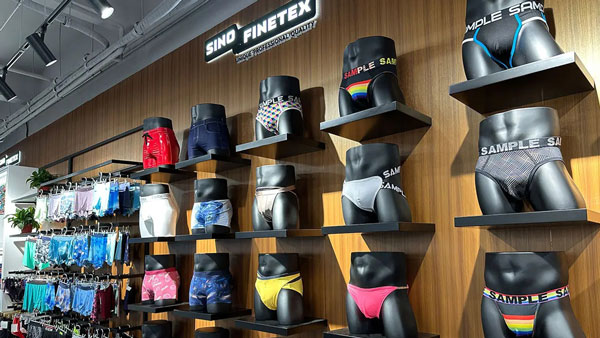
Lab Dips and Strike-Offs for Underwear: Approval Steps That Prevent Delays
A lab dip approves a dyed textile shade; a strike-off approves printed artwork on the intended substrate. They…
Read more →
Color MOQ Planning: How to Share Fabric Across Multiple Underwear Styles
Color MOQ planning works best when a brand treats dyed fabric as a shared material platform rather than…
Read more →
Underwear Fabric Utilization: How Marker Efficiency Changes Unit Cost
Fabric utilization converts a fabric quotation into a garment cost. The calculation must account for pattern area, fabric…
Read more →
Open Costing for Men’s Underwear: Reading Fabric, Trim, Labor and Overhead Lines
An open-cost sheet is useful only when every line is tied to a measurable specification, a purchasing unit…
Read more →Global Apparel Sourcing Outlook 2026: Cotton, Freight and Supply-Chain Risk
A data-led 2026 apparel sourcing outlook on cotton balances, freight volatility, supplier diversification, lead time, compliance and practical…
Read more →Request a sample & pricing information
Send us your tech pack, target price or a reference sample — we reply with a quotation, a realistic lead time and a fabric recommendation within one working day.
- Free sampling plan & cost breakdown
- MOQ from 300 pcs per style
- Reply within 1 working day