
Lyocell Underwear: Selling the Softness Story and Sourcing It
Lyocell underwear sells on a silky softness that comes from a manufactured fiber, and the honest story names both: the fiber, its process, and the blend…
Lyocell underwear sells on a silky softness that comes from a manufactured fiber, and the honest story names both: the fiber, its process, and the blend that makes it work in a garment. According to Finetex’s published program details, its fabric range includes lyocell options, and its underwear line covers the styles that can carry the softness story. This guide walks the seller from the fiber story to the blend, the care promise, the sourcing, and the listing language, so the softness claim converts and survives the wash.
The Lyocell Story: Softness With a Process
Lyocell is a regenerated cellulosic fiber, and the story starts with the process: wood pulp is dissolved and spun into a smooth, strong fiber. The result is a fabric with a silky hand feel and good moisture behavior, and the process is part of the product story because it explains where the softness comes from.
The story should be told in the customer’s language, not the chemist’s. The customer feels the smoothness and the coolness; the story explains that the feel comes from the fiber’s structure and the way it manages moisture. The honest version names the fiber and the benefit, and the customer who understands the process trusts the product.
The story also sets the price expectation. Lyocell can support a premium when the hand feel is real and the care story is honest, and the premium survives when the customer experiences the softness in the first wear and the durability in the third month. The story and the product have to match, because the review period is where the mismatch shows.
Blends That Balance Hand Feel and Structure
Lyocell rarely runs alone in underwear; the blend is where the product is designed. A lyocell-spandex blend gives the stretch and the recovery the garment needs, while a lyocell-cotton blend balances the silkiness with structure and wash stability. The blend ratio is the product decision, and it should be specified before the sample.
| Blend direction | What it delivers | What to verify |
|---|---|---|
| Lyocell + spandex | Stretch and recovery | Recovery after washing |
| Lyocell + cotton | Softness with structure | Hand feel and shrinkage |
| High lyocell | Maximum silkiness | Care behavior and durability |
The blend ratio changes the hand feel, the care behavior, and the cost, and the seller should test the options against the customer’s priority. A warm-sleeper customer values the moisture behavior; a commuter customer values the shape retention; a value customer values the price. The blend follows the segment, and the sample confirms the choice.
Care Behavior: What to Promise Customers
The care promise is where lyocell claims succeed or fail. Lyocell garments can be more delicate than cotton in hot washes and dryers, and the care label and the listing have to promise what the fabric can deliver. The care story should be built on the test, not on the assumption.
The wash test should run in the customer’s real cycle, and the result should set the label. If the garment needs a gentle cycle, the listing should say so; if it shrinks in the dryer, the warning belongs in the copy. The customer who ruins the fabric in a hot wash blames the product, and the review costs more than the honest care note.
The care behavior also feeds the returns. A lyocell garment that promises easy care and fails in the third wash produces the return that the care note could have prevented. The care promise is a product spec, and the spec is the seller’s protection.
Sourcing Lyocell From a Factory
The sourcing conversation starts with the fiber documentation. Ask the factory for the fiber content, the source, and the blend ratio, and confirm the lyocell is what the claim says. TENCEL is a branded lyocell, and the name can be used in the fiber source context, but the claim should not imply a certification the factory cannot document.
The sourcing should also cover the sample. The blend, the weight, and the finishing should be specified in the brief, and the factory should produce the sample against that spec. According to Finetex’s published program details, its custom fabric support covers sourcing and development, which gives the seller a single conversation for the fiber, the blend, and the sample.
The sourcing decision also sets the reorder. The lyocell source and the blend must be repeatable, and the reorder should come from the same chain. The seller who verifies the fiber on the first order and assumes the second is taking a risk that the third-wash test will expose.
Sample Testing for the Softness Claim
The softness claim earns its place in the sample round. The swatch comparison after a wash, the third-wash test on the garment, and the wear test across body types are the three proofs that the silkiness survives the customer’s routine.
The third-wash test is the honest one, because the customer judges the softness after weeks, not at the first touch. A lyocell sample that feels silky in the sample room and stiffens after three washes fails the claim, and the test catches it before the shipment leaves.
The wear test adds the fit dimension. The softness has to work with the garment’s fit, and the lyocell blend that drapes beautifully on the table can move differently on the body. The sample round is where the softness story becomes a product truth.
Listing Language That Matches the Product
The listing language should match the tested reality. Silky-soft with a cool, breathable feel” is a claim the customer can verify; “luxury miracle fiber” is a claim that invites a complaint. The converting copy names the fiber, the feel, and the care behavior, and it keeps the environment to the verifiable part.
The listing should also match the label and the care page. The fiber content, the care instructions, and the softness claim should tell one story across the product, because the customer who meets a different sentence on each page loses the trust the story built.
The tone should stay confident, because the confidence comes from the evidence. The seller who has the fiber documentation, the wash test, and the sample approval can write a claim that converts; the seller who has only the brochure writes a claim that the review will test.
A fiber product developer’s view on lyocell
A fiber product developer who builds underwear programs for softness-first brands describes lyocell as the fiber where the blend ratio decides everything. In their experience, the sellers who order “lyocell underwear” without specifying the blend get a fabric that misses the customer’s priority, while the sellers who test the blend options against the segment get a product that converts. Their standard advice is to name the blend, test the care behavior, and let the third-wash result set the claim.
Finetex’s men’s underwear manufacturing page covers the boxer briefs, trunks, briefs, and jockstraps programs a lyocell softness line runs on, and its custom fabric page describes the fiber sourcing and development options. Bring the segment and the blend direction, and the factory can quote the fiber, the ratio, and the sample.
The lyocell decision should also respect the channel. A marketplace listing and a DTC product page judge the softness story differently: the marketplace customer compares the price and the reviews, while the DTC customer reads the brand story first. The claim language and the price should be tuned to the channel, because the same product converts differently in the two settings. The seller who tests the listing in the channel before the order avoids the mismatch between the story and the market.
The reorder is where the lyocell program earns its keep. The blend, the fiber source, and the care behavior must be repeatable, and the batch-consistency check should run against the stored reference on every order. The seller who locks the lyocell spec once and verifies it every time builds a program that compounds, while the seller who renegotiates the spec each season rebuilds the story from scratch.
The listing should also carry the fit note that matches the blend, because the softness story and the fit story are judged together. The lyocell blend that drapes on the table moves differently on the body, and the fit note that describes the garment’s true behavior sets the expectation the review will confirm.
Frequently Asked Questions
What is lyocell underwear?
Lyocell underwear is made from a regenerated cellulosic fiber with a silky hand feel and good moisture behavior. The honest story names the fiber and the process.
Is TENCEL the same as lyocell?
TENCEL is a branded lyocell, and the name can be used in the fiber source context. The claim should not imply a certification the factory cannot document.
What blend should lyocell underwear use?
The blend that matches the customer’s priority: lyocell-spandex for stretch and recovery, lyocell-cotton for softness with structure, and a high-lyocell ratio for maximum silkiness with a stricter care story.
How do I test the softness claim?
Compare the washed swatches, run the third-wash test on the garment, and wear-test across body types. The claim earns its place in the sample round.
What should the care promise say?
The care promise should match the test: the gentle cycle, the dryer warning, and the shrinkage behavior all belong in the label and the listing. The honest care note prevents the return.
How do I source lyocell from a factory?
Ask for the fiber content, the source, and the blend ratio, and confirm the sample against the spec. Finetex lists lyocell among its fabric options with custom fabric support.
Sources
- Finetex Global — Men’s Underwear Manufacturing
- Finetex Global — Custom Fabric
- Finetex Global — Contact Us
This page is part of our launching a men’s underwear brand, which covers the decisions before and after it.
More factory-floor notes for brand owners

Sample Revision Limits: How to Control Underwear Development Cost and Calendar
A sample revision limit should control scope, not block necessary correction. The buyer and factory need to distinguish…
Read more →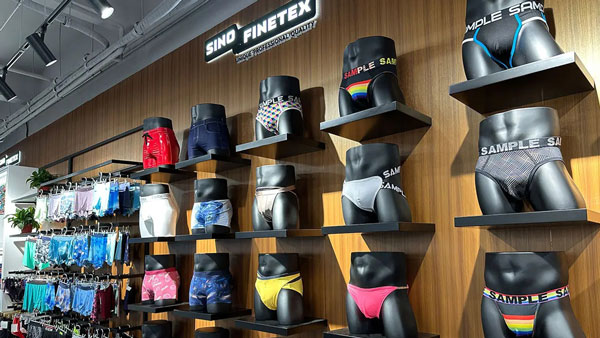
Lab Dips and Strike-Offs for Underwear: Approval Steps That Prevent Delays
A lab dip approves a dyed textile shade; a strike-off approves printed artwork on the intended substrate. They…
Read more →
Color MOQ Planning: How to Share Fabric Across Multiple Underwear Styles
Color MOQ planning works best when a brand treats dyed fabric as a shared material platform rather than…
Read more →
Underwear Fabric Utilization: How Marker Efficiency Changes Unit Cost
Fabric utilization converts a fabric quotation into a garment cost. The calculation must account for pattern area, fabric…
Read more →
Open Costing for Men’s Underwear: Reading Fabric, Trim, Labor and Overhead Lines
An open-cost sheet is useful only when every line is tied to a measurable specification, a purchasing unit…
Read more →Global Apparel Sourcing Outlook 2026: Cotton, Freight and Supply-Chain Risk
A data-led 2026 apparel sourcing outlook on cotton balances, freight volatility, supplier diversification, lead time, compliance and practical…
Read more →Request a sample & pricing information
Send us your tech pack, target price or a reference sample — we reply with a quotation, a realistic lead time and a fabric recommendation within one working day.
- Free sampling plan & cost breakdown
- MOQ from 300 pcs per style
- Reply within 1 working day