
How many sample rounds are normal for a new underwear style?
How many sample rounds are normal for a new underwear style: what drives the number of rounds, how to reduce them with clear comments and references,…
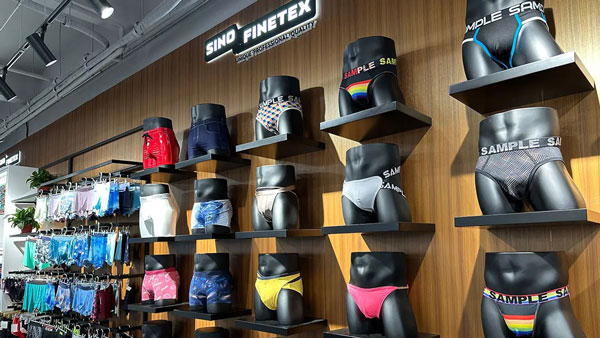
Part of Sampling, Orders, Quality & Shipping in Finetex Talk — buyer questions answered by the Finetex editorial team.
A brand is on its fourth sample round for a new boxer brief and is worried that the launch date will slip. It wants to know whether this is normal and how to avoid endless sampling.
Short answer: There is no fixed number of sample rounds, because it depends on how new the style is, how clear the brief is and how quickly comments are closed. A repeat of an existing block in a new colour may need only a PP sample. A small change to an existing style, such as a different inseam or waistband, often needs one fit round plus a PP sample. A completely new style, new fabric and new fit may need two or three fit rounds before PP. Rounds multiply when comments are vague, when the brand changes the design between rounds, when samples are reviewed on different bodies each time, or when fabric is changed after fit approval. To keep rounds down, start from a clear tech pack with a measurement chart, use one fit model or a consistent fit process, and give numbered comments with measurements rather than impressions. Body measurement terms from ISO 8559-1 help describe where a change is needed. Check shrinkage before final fit approval, for example with ISO 5077, because a fabric that shrinks can make an approved fit wrong after washing. If rounds keep repeating the same comment, ask the factory to explain why the change is not being made.
What drives the number of rounds
- How new the style and fabric are.
- Clarity of the tech pack.
- Design changes between rounds.
- Consistency of fit reviews.
Ways to reduce rounds
- Start from a proven block.
- Use numbered, measured comments.
- Keep one fit process.
- Freeze design before fit.
Warning signs
- The same comment repeating.
- New problems appearing each round.
- Samples arriving without measurement sheets.
A worked example
As an illustration, a brand could freeze the design after the proto, review fit on the same person each round, and send comments such as raise the rise by one centimetre at centre back, rather than feels low.
Planning time
Each round adds the time to make, ship and review the sample. Plan the calendar with one more round than you expect.
Combining stages
When time is short, some stages can be combined, for example a proto and first fit in one round, or a final fit made in bulk fabric so it can serve as the PP sample. This saves time only if the brief is clear and materials are already decided; otherwise it can add rounds later.
Limits
Some fabrics, such as very stretchy or very fine knits, need more rounds because small pattern changes behave differently in them.
Facts, recommendations and uncertainty
Established: the number of rounds depends on style novelty, clarity and stability of the brief. Recommendation: freeze the design early and send measured, numbered comments. Uncertain: how a new fabric will behave until it is sampled and washed.
Sources and further reading
- ISO 8559-1:2017 — Size designation of clothes: anthropometric definitions for body measurement
- ISO 5077:2007 — Determination of dimensional change in washing and drying
Standards and regulations are referenced by their published scope. Test parameters, cycles and pass levels should be agreed with your laboratory for the specific product; legal requirements should be confirmed for each destination market.
Three more perspectives
Agree before development how many rounds are included in the sample price and what extra rounds cost. Set a turnaround time for both sides, for example how fast comments are returned. Ask the factory to flag early if a comment cannot be achieved with the chosen fabric or machine. Keep all sample comments in one shared file.
Make design decisions before fit sampling begins, and avoid adding new features in later rounds. Choose fabrics early, because changing fabric after fit approval often restarts the fit process. Compare each sample with the previous one side by side. Decide who on the brand side has final approval to avoid conflicting comments. Agree which comments are must-change and which are nice-to-have, so the factory can prioritise the points that matter most for the next round.
Measure each sample against the chart and record the differences, so trends between rounds are visible. Wash the sample before final fit approval. Check that comments from the last round were made before reviewing new points. Keep each round's sample labelled with its round number for reference. Record shrinkage results with the fit comments so the pattern can allow for them, and check washed samples on the same body as the unwashed ones for a fair comparison.
Related products
← More in Sampling, Orders, Quality & Shipping · All Talk topics · Ask us about your programme
More factory-floor notes for brand owners

Why did my reorder price go up?
Why an apparel reorder price can go up: fabric and trim costs, smaller quantities, specification changes, labour and…
Read more →
How do I read an underwear quotation line by line?
How to read an underwear quotation line by line: fabric, elastic and trims, labour, packaging, testing, overheads and…
Read more →
How do peak seasons affect apparel factory capacity?
How peak seasons and holidays affect apparel factory capacity and lead times, why fabric and shipping are also…
Read more →
Should I split one style across two factories?
Whether to split one apparel style across two factories: the benefits for capacity and risk, the risks for…
Read more →
What are the biggest risks on a small brand’s first order?
The biggest risks on a small brand's first apparel order, from unclear specifications and sample approval to payment,…
Read more →
What changes should a factory notify before production?
Which changes a factory should notify the buyer about before production, such as fabric, dye, trims, subcontracting or…
Read more →Request a sample & pricing information
Send us your tech pack, target price or a reference sample — we reply with a quotation, a realistic lead time and a fabric recommendation within one working day.
- Free sampling plan & cost breakdown
- MOQ from 300 pcs per style
- Reply within 1 working day