
Which light source should I use to approve lab dips?
Which light source to use when approving lab dips: daylight simulators such as D65, checking under a second very different source for metamerism, matching conditions between…

Part of Sampling, Orders, Quality & Shipping in Finetex Talk — buyer questions answered by the Finetex editorial team.
A brand approved a navy lab dip at its office near a window. The bulk fabric looked correct at the factory, but under shop lighting the underwear and the waistband looked like two different shades.
Short answer: Lab dips should be judged under agreed, controlled light, because colours can match under one light and not under another. This effect is called metamerism, and it is common when the body fabric and a waistband or trim are dyed with different dyes or on different fibres. ASTM D1729, a standard practice for visual appraisal of colours and colour differences, recommends simulated average daylight, D65, for general visual appraisal, and explains that a match is usually confirmed under another very different source, such as a low colour temperature incandescent lamp, and often under the kind of light found where the product is sold or used. It also expects observers to have normal, preferably superior, colour vision. Window daylight changes with the weather, the time of day and the room, so it is not a reliable reference. For approval, agree a primary light source, usually D65, and one or two secondary sources, such as a warm source and a typical shop light, and use the same light box settings at the brand and the factory. Instrumental colour difference, for example calculated with ISO 105-J03, can support visual approval, and the ISO 105-A02 grey scale is commonly used to rate change in colour.
Why light source matters
- Colours can match under one light and not another.
- Daylight from windows varies.
- Different fibres and dyes behave differently.
Agreeing conditions
- Primary source, usually D65.
- Secondary sources, such as warm and shop light.
- Same light box set-up at both sides.
- Trained observers with normal colour vision.
Approving the dip
- Compare against the physical standard.
- Check under each agreed source.
- Record the chosen dip and comments.
A worked example
As an illustration, a brand could state in the colour standard that dips are judged in a D65 light box first, then checked under a warm source and the light used in its retail partners' stores, and that body fabric and waistband are judged side by side.
Matching body and trims
Judge the body fabric together with the waistband, binding and thread. A dip can be correct alone but mismatch the trim it will be worn with.
When bulk and dip disagree
If bulk looks different from the approved dip, first check both under the agreed sources in the same light box, side by side, before judging. Many disputes come from comparing under different lights or comparing a small dip with a large roll.
Limits
Light boxes age, and lamps lose output over time. Visual judgement also varies between people, so instruments and physical standards help, but the agreed conditions decide the result.
Facts, recommendations and uncertainty
Established: colours can match under one light and not another, and controlled viewing conditions reduce disputes. Recommendation: agree D65 plus a second very different source and the same set-up at both sides. Uncertain: how the shade will look under every customer's lighting.
Sources and further reading
- ASTM D1729-22 — Visual appraisal of colors and color differences of diffusely-illuminated opaque materials
- ISO 105-J03:2009 — Calculation of colour differences
- ISO 105-A02:1993 — Grey scale for assessing change in colour
Standards and regulations are referenced by their published scope. Test parameters, cycles and pass levels should be agreed with your laboratory for the specific product; legal requirements should be confirmed for each destination market.
Three more perspectives
Ask the factory and its dye house which light sources their light boxes use and how often lamps are replaced. Put the agreed light sources in the colour standard and the purchase order. Send the physical colour standard, not only a digital value, and keep a cut of it yourself. Confirm how many dip options will be sent per colour.
Choose colours with the end use in mind, including the lighting where they will be sold and photographed. Ask for dips on the actual body fabric and trims, since the same colour on different fibres can differ. Decide early which trims must match exactly and which may contrast, to avoid unnecessary matching rounds. Photograph approved dips under the agreed light for internal reference.
Check bulk fabric and trims against the approved dip under every agreed source before cutting. Record results and any shade bands. Keep approved dips stored away from light, since standards can fade. Check that the light box has been maintained before an important approval, and record the date of each check. Compare bulk with the dip under the same light box, side by side, rather than from memory or photos, and record which source showed any difference.
Related products
← More in Sampling, Orders, Quality & Shipping · All Talk topics · Ask us about your programme
More factory-floor notes for brand owners

Why did my reorder price go up?
Why an apparel reorder price can go up: fabric and trim costs, smaller quantities, specification changes, labour and…
Read more →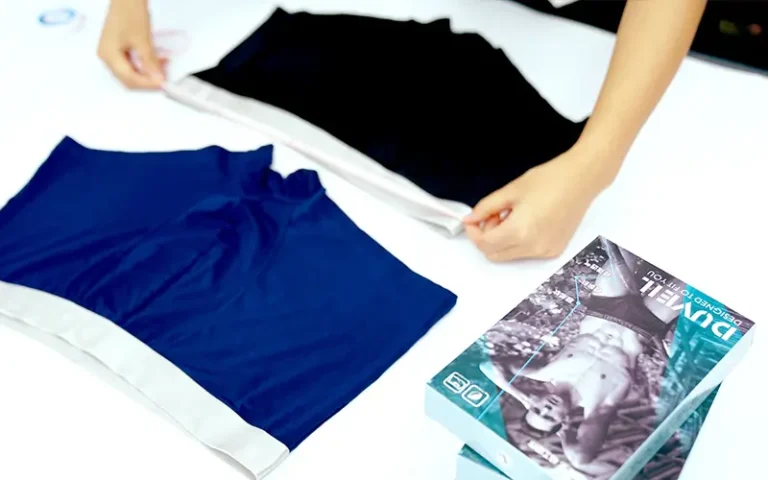
How do I read an underwear quotation line by line?
How to read an underwear quotation line by line: fabric, elastic and trims, labour, packaging, testing, overheads and…
Read more →
How do peak seasons affect apparel factory capacity?
How peak seasons and holidays affect apparel factory capacity and lead times, why fabric and shipping are also…
Read more →
Should I split one style across two factories?
Whether to split one apparel style across two factories: the benefits for capacity and risk, the risks for…
Read more →
What are the biggest risks on a small brand’s first order?
The biggest risks on a small brand's first apparel order, from unclear specifications and sample approval to payment,…
Read more →
What changes should a factory notify before production?
Which changes a factory should notify the buyer about before production, such as fabric, dye, trims, subcontracting or…
Read more →Request a sample & pricing information
Send us your tech pack, target price or a reference sample — we reply with a quotation, a realistic lead time and a fabric recommendation within one working day.
- Free sampling plan & cost breakdown
- MOQ from 300 pcs per style
- Reply within 1 working day