
Do I need an inline inspection as well as a final one?
Whether an apparel order needs an inline inspection as well as a final one: what each finds, when each is useful, sampling under ISO 2859-1, and…
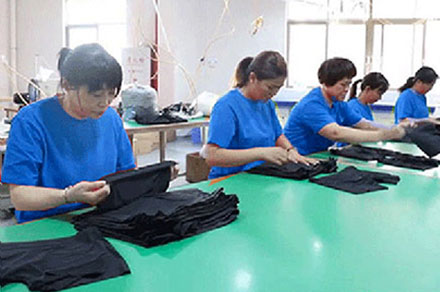
Part of Sampling, Orders, Quality & Shipping in Finetex Talk — buyer questions answered by the Finetex editorial team.
A brand placing its first underwear order budgets for one final inspection before shipment. A colleague suggests adding an inline inspection, and the brand wants to know whether it is worth the extra cost.
Short answer: A final inspection checks finished, packed goods and decides whether the lot is accepted, but it comes when most problems are expensive to fix. An inline, or during-production, inspection is carried out while sewing is underway, usually when a meaningful share of pieces has been sewn. Its purpose is to find systematic problems early, such as a measurement out of tolerance, a wrong elastic, a seam defect repeated on one machine, or a label error, while most of the order can still be corrected. Inline inspections usually check early production against the PP sample and specification, measure pieces across sizes, review workmanship on the line, and confirm materials and trims. The final inspection then checks the complete lot, typically drawing a sample under a plan such as ISO 2859-1, with AQLs agreed in the contract, and checking quantity, packing, labelling and workmanship. ISO 2859-1 also cautions that designating an AQL does not give the supplier the right knowingly to supply nonconforming items. For a new style, a new factory or a first order, an inline inspection is often worth adding, because a problem found at final inspection may mean rework, delay or a difficult decision on whether to accept. For repeat styles with a stable record, a final inspection alone may be enough.
Inline inspection
- During sewing, early in production.
- Checks against PP sample and spec.
- Finds systematic problems early.
Final inspection
- Finished, packed goods.
- Sample drawn under an agreed plan.
- Quantity, packing and labelling.
- Accept or reject decision.
When inline is most useful
- New style or new factory.
- First order or new fabric.
- Complex construction or prints.
A worked example
As an illustration, a brand could book an inline inspection when the first sizes are sewn, focusing on measurements and waistband attachment, then book the final inspection once the full order is packed.
Factory self-inspection
Many factories run their own inline checks. Ask what they check and request the records; buyer inspections then confirm results rather than replace factory quality control.
What to do with inline findings
Inline findings are useful only if they lead to action. Ask the factory to confirm the cause of each systematic problem, the correction made on the line and how pieces already sewn will be sorted or reworked. Then check those points again at final inspection.
Limits
No inspection finds every defect. Sampling inspection gives a level of confidence about the lot, not a guarantee for each piece.
Facts, recommendations and uncertainty
Established: inline inspection finds systematic problems while they can still be corrected, and final inspection decides acceptance of the finished lot. Recommendation: add inline for new styles, factories and first orders. Uncertain: how many defects remain in uninspected pieces.
Sources and further reading
Standards and regulations are referenced by their published scope. Test parameters, cycles and pass levels should be agreed with your laboratory for the specific product; legal requirements should be confirmed for each destination market.
Three more perspectives
Agree in the purchase order which inspections will be done, who will do them and who pays. Give the factory enough notice of inspection dates. Clarify what happens if an inspection fails, such as re-inspection costs and timing. Ask the factory to share its own inline records so buyer inspections can focus on the most important risks.
Make sure the specification and the approved PP sample are available to the inspector, since inspection can only check what is defined. List critical points for each style, such as pouch shape or waistband tension, so the inspector focuses on them. Review inline findings with the design team where they suggest a pattern issue. Share inline photos with the design team when a problem looks like a pattern or construction issue rather than a sewing error, so the fix reaches the pattern.
Choose AQLs for each class of defect and write them into the contract. Make sure the inspector checks measurements across all sizes. Follow up on inline findings before the final inspection, and check that corrective actions were applied to the whole order, not only the pieces seen at inline. Use inline results to decide where the final inspection should look hardest, for example a colour or size where problems were found.
Related products
← More in Sampling, Orders, Quality & Shipping · All Talk topics · Ask us about your programme
More factory-floor notes for brand owners
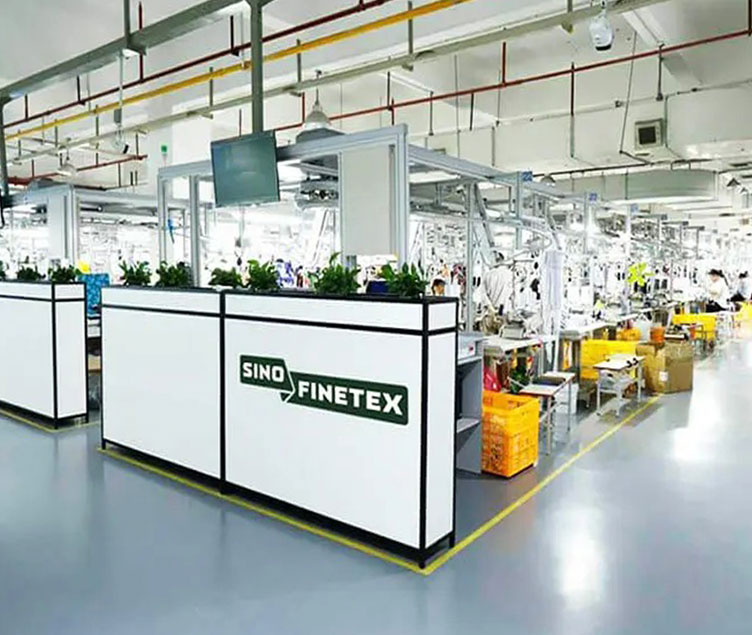
Why did my reorder price go up?
Why an apparel reorder price can go up: fabric and trim costs, smaller quantities, specification changes, labour and…
Read more →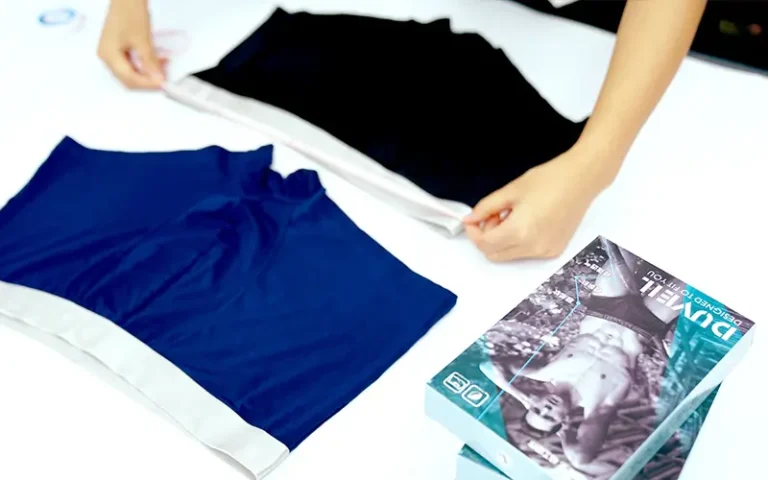
How do I read an underwear quotation line by line?
How to read an underwear quotation line by line: fabric, elastic and trims, labour, packaging, testing, overheads and…
Read more →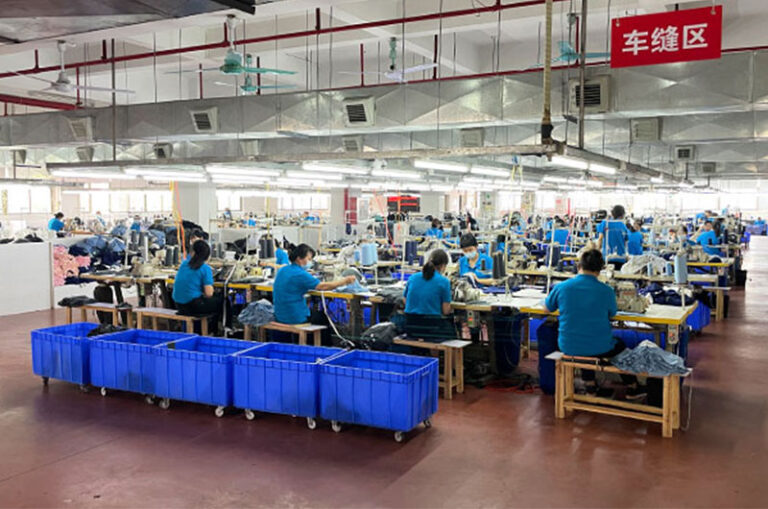
How do peak seasons affect apparel factory capacity?
How peak seasons and holidays affect apparel factory capacity and lead times, why fabric and shipping are also…
Read more →
Should I split one style across two factories?
Whether to split one apparel style across two factories: the benefits for capacity and risk, the risks for…
Read more →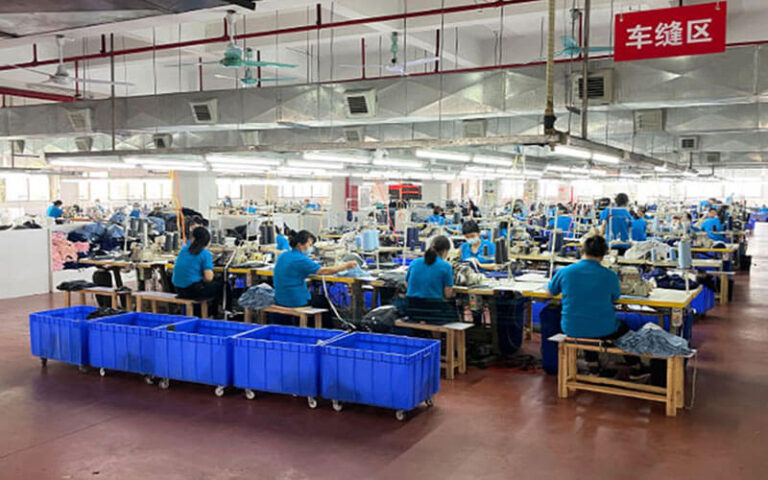
What are the biggest risks on a small brand’s first order?
The biggest risks on a small brand's first apparel order, from unclear specifications and sample approval to payment,…
Read more →
What changes should a factory notify before production?
Which changes a factory should notify the buyer about before production, such as fabric, dye, trims, subcontracting or…
Read more →Request a sample & pricing information
Send us your tech pack, target price or a reference sample — we reply with a quotation, a realistic lead time and a fabric recommendation within one working day.
- Free sampling plan & cost breakdown
- MOQ from 300 pcs per style
- Reply within 1 working day