
Cotton Undershirt Supply: Combing, Count and What Actually Stops Shrinkage
Not all cotton undershirts are the same: yarn count, combing, knitting gauge and pre-shrinking decide hand-feel, opacity and how they survive the wash.
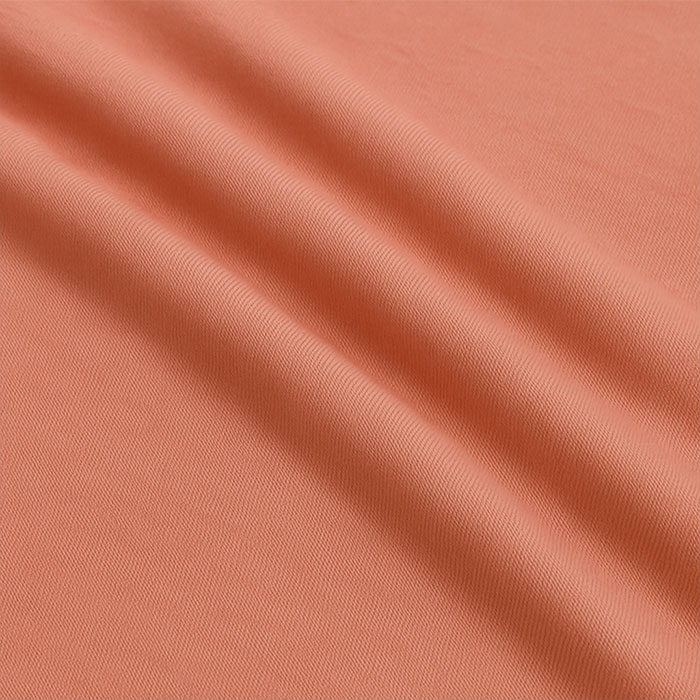
Two cotton undershirts can look identical in a photograph and behave nothing alike after five washes. The difference is decided before the fabric is knitted: the length of the fibre, whether the yarn is combed, how tightly the fabric is knitted and whether the material was relaxed before cutting. Buyers who specify those four things stop arguing about price and start comparing real specifications.
What separates a good cotton undershirt from a cheap one?
Fibre length, yarn preparation and knit density.
A longer staple fibre produces a smoother, stronger yarn, combing removes short fibres and impurities, and a denser knit gives better opacity and shape retention.
| Specification | What it changes | How it shows up |
|---|---|---|
| Fibre length | Yarn strength and surface smoothness | Pilling and how the fabric feels |
| Combing | Short fibre and impurity removal | Softness and surface evenness |
| Knit density | Opacity and shape | Show-through and sagging |
| Relaxation before cutting | Dimensional stability | Shrinkage after the first wash |
None of that is visible in a product photograph, which is why cotton undershirt supply is a specification conversation rather than a styling one. Ask for the composition, the yarn type and the weight in grams per square metre, and ask what the shrinkage figure is after a defined wash cycle. A supplier that can answer those three questions is quoting a product; one that answers only with a price is quoting a category.
How do yarn count and combing change the product?
A finer, combed yarn feels better and lasts longer.
Count describes the fineness of the yarn and combing describes how thoroughly short fibres were removed, and together they explain most of the difference in hand-feel between two cotton knits of the same weight.
The practical consequence is durability rather than luxury. Short fibres work their way out of the yarn during washing and form pills, and an uncombed cotton with a high proportion of them will look worn sooner even if the weight is identical. Ask which yarn the factory runs for the quality you are considering and whether a combed option is available at a comparable weight. For a product like an undershirt, where the garment is washed frequently and worn against the skin, the difference in hand-feel is what customers describe in reviews, which makes it worth specifying rather than inheriting.
Why does knit density matter more than weight alone?
Opacity depends on density, not just weight.
Two fabrics of the same weight can differ in how much they conceal, depending on how tightly they are knitted and how the yarn is finished.
This is the point at which many white undershirt programmes fail, because a buyer selects a weight that sounds substantial and still receives a garment that shows through a dress shirt. Ask how the fabric performs in an opacity comparison against a standard, and ask whether the factory can supply a denser knit at the same nominal weight. Where no opacity test exists, specify a visual comparison under consistent lighting against a retained standard, which is crude but repeatable and enough to prevent a batch that behaves noticeably worse than the approved sample.
What actually stops an undershirt shrinking?
Relaxing the fabric before cutting.
Shrinkage comes from tension built into the yarn and the knit during manufacturing, which is released in the first washes unless the fabric is relaxed and the garment is washed or steamed before packing.
The specification to ask for is a shrinkage figure measured after a defined wash cycle, plus the method used to reach it. Common approaches include relaxing the fabric before cutting, washing the finished garment, or a combination of both, and each carries its own cost and effect on hand-feel. Ask what the measured shrinkage is on the quality you are considering and what tolerance the factory will accept in bulk. Where a supplier offers only a general assurance that the garment will not shrink, the honest assumption is that it will, and the size chart should be written accordingly.
Which cotton blends reduce shrinkage without losing feel?
A little elastane improves stability.
A cotton knit with a small percentage of elastane recovers better after stretching and washing, while a cotton and modal blend improves softness at the cost of some of the crispness customers associate with cotton.
The decision is a positioning one as much as a technical one. A brand selling a classic cotton undershirt should keep the composition simple, because customers buying cotton expect cotton. A brand selling comfort or a softer hand-feel can use a blend and describe it accurately. In either case the label has to state the composition precisely, and any performance claim about shrinkage or recovery should be based on a wash test rather than on the presence of a component. Ask what the blend ratios are and how they affect the measured shrinkage, then decide whether the change is worth it in the product story.
What happens to colour and whitening after repeated washing?
Whites can yellow and dyed shades can shift.
Cotton takes dye and whitening differently from synthetic fibres, and both can change over repeated laundering depending on the finishing and the care instructions.
That makes the care label part of the specification rather than an afterthought. Ask what the recommended wash temperature and bleaching instruction are for the quality you have chosen, because aggressive whitening produces a bright garment that can yellow faster when washed at high temperatures. For dyed shades, ask for colourfastness results and test the sample after several washes against a retained standard. Where a range includes both white and coloured styles, specify the care content per colourway, since a single instruction may not suit both, and a care label that contradicts the fabric behaviour generates complaints that a different label would have prevented.
How does fabric choice affect the minimum?
Simple: a stocked quality has no fabric minimum of its own.
Choosing a cotton quality the factory already knits and dyes keeps the order constrained by the garment minimum, while a developed fabric adds a knitting and dyeing minimum on top.
For a first cotton undershirt programme, the sensible route is to start from a running quality with a published composition and a measured shrinkage figure, then move to something proprietary once the product has proven demand. That sequence also protects the reorder, because the running quality stays available while a new fabric is developed. Ask which qualities the factory holds in stock, what their compositions and weights are, and how quickly a dye lot can be scheduled in the colour you want.
Colour is the other half of that calculation. A white programme is usually straightforward because the mill runs white continuously, while a specific dyed shade has to be matched and dyed, which adds a lot and a lead time. Where a brand wants a distinctive colour, asking whether it can be produced within a standard shade card is often the difference between a viable first order and one that waits for a dedicated lot.

Which quality checks matter on cotton undershirts?
Neck recovery, seam integrity and measured shrinkage.
Five checks cover the failure modes that appear after the garment has been worn and washed rather than on the line.
- Neck rib attached with even tension, recovering after washing.
- Side seams straight, with no twisting under a fitted outer layer.
- Hem width and stitch density uniform across the run.
- Shrinkage measured on the finished garment against the stated tolerance.
- Colour consistency between packs, including within a multiple pack.
These are in-process and post-wash checks rather than visual inspections, because the failures they catch appear after the garment has been worn and washed.
Ask how the factory measures shrinkage and whether the result is recorded per lot; a supplier that tracks the number can tell you what you are buying, while one that does not is relying on the mill’s assurance.
How does buying from a supplier differ from buying a retail pack?
You get a specification instead of a product.
A retail pack gives you a tested product with no control over the specification, while a production supplier lets you set the count, the weight, the shrinkage tolerance and the packing format.
That control is what makes a range repeatable, and it is also what makes the comparison meaningful: two suppliers quoting the same garment can be compared on yarn, weight and shrinkage rather than on price alone. Where a brand is buying a retail pack to test a category before committing to production, the sensible next step is to identify the properties that made the test product work — the weight, the hand-feel, the opacity — and specify those rather than copying the garment. Ask the factory what quality it would recommend to reach the same result, then test the sample the same way you tested the retail pack.
FAQ
What are the best cotton undershirts?
The ones whose specification matches the use. Look for combed cotton at a sensible weight, a knit dense enough to be opaque, and a measured shrinkage figure rather than an assurance. Ask for the composition, the yarn type and the weight in grams per square metre, and test neck recovery and opacity after several washes.
Is cotton good for an undershirt?
It is, for comfort and for customers who expect a natural fibre against the skin. Its limitation is moisture handling: cotton absorbs and holds water rather than moving it away, so it is a poor choice for a heavy-sweat performance claim. For everyday wear and layering, a well-specified combed cotton is a strong product.
Are cotton undershirts supposed to shrink?
Some shrinkage is normal unless the fabric is relaxed and the garment is washed or steamed before packing, and the amount depends on the quality. Ask for a shrinkage figure measured after a defined wash cycle rather than a general assurance. Where the figure is high, either adjust the size chart or specify a more stable quality.
Where can I buy cotton undershirts in bulk from a factory?
Approach a knitwear manufacturer that runs cotton undershirts as a core product and can quote a composition, a weight and a shrinkage tolerance. Ask which qualities are in stock, what the minimum is for the garment and for the colour, and whether the quality will still be available for a reorder.
Next step for your team: send the Finetex Global team your target hand-feel and weight, and ask for the cotton qualities available, their measured shrinkage figures and the opacity comparison before you approve a sample.
Sources: Supima — extra-long staple cotton; OEKO-TEX STANDARD 100; 16 CFR Part 303 textile labelling; ISO 9001 quality management; Textile Exchange standards.
More factory-floor notes for brand owners

Sample Revision Limits: How to Control Underwear Development Cost and Calendar
A sample revision limit should control scope, not block necessary correction. The buyer and factory need to distinguish…
Read more →
Lab Dips and Strike-Offs for Underwear: Approval Steps That Prevent Delays
A lab dip approves a dyed textile shade; a strike-off approves printed artwork on the intended substrate. They…
Read more →
Color MOQ Planning: How to Share Fabric Across Multiple Underwear Styles
Color MOQ planning works best when a brand treats dyed fabric as a shared material platform rather than…
Read more →
Underwear Fabric Utilization: How Marker Efficiency Changes Unit Cost
Fabric utilization converts a fabric quotation into a garment cost. The calculation must account for pattern area, fabric…
Read more →
Open Costing for Men’s Underwear: Reading Fabric, Trim, Labor and Overhead Lines
An open-cost sheet is useful only when every line is tied to a measurable specification, a purchasing unit…
Read more →Global Apparel Sourcing Outlook 2026: Cotton, Freight and Supply-Chain Risk
A data-led 2026 apparel sourcing outlook on cotton balances, freight volatility, supplier diversification, lead time, compliance and practical…
Read more →Request a sample & pricing information
Send us your tech pack, target price or a reference sample — we reply with a quotation, a realistic lead time and a fabric recommendation within one working day.
- Free sampling plan & cost breakdown
- MOQ from 300 pcs per style
- Reply within 1 working day