
How can I find a sustainable t-shirt manufacturer?
Finding a sustainable t-shirt manufacturer requires a partner who integrates eco-materials, ethical production, and circular design into their core operations, moving beyond basic compliance to create…
Finding a sustainable t-shirt manufacturer requires a partner who integrates eco-materials, ethical production, and circular design into their core operations, moving beyond basic compliance to create a genuinely lower-impact product from fiber to finish.
What defines a truly sustainable t-shirt manufacturer?
A truly sustainable manufacturer operates on a holistic framework encompassing environmental stewardship, social responsibility, and economic viability. It’s about a verifiable, transparent system, not just a single green material or certification. The entire process, from sourcing raw materials to shipping the final product, is designed to minimize harm and maximize positive impact.
The definition extends far beyond using organic cotton. A comprehensive approach examines the entire product lifecycle. This includes the energy sources powering factories, water treatment and recycling systems, fair labor wages and safe working conditions, and end-of-life planning for the garment. Think of it like building a house; you wouldn’t call it sturdy just because you used good bricks if the foundation was weak and the plumbing was faulty. Every component, from the ethical treatment of workers to the biodegradability of the thread, must be sound. How can a brand claim sustainability if its supply chain is opaque? What good is a recycled t-shirt if the dyeing process pollutes a local river? Transitioning to this model requires deep investment and a shift in mindset. Manufacturers like Sino Finetex demonstrate this by embedding their core values of truthfulness and eco-friendliness directly into their operational DNA, ensuring that sustainability isn’t a department but a company-wide principle guiding every decision from R&D to delivery.
How do sustainable materials differ from conventional ones?
Sustainable materials are sourced and processed with a focus on reducing environmental impact, conserving resources, and ensuring social equity. They contrast with conventional materials by prioritizing renewable inputs, closed-loop systems, and non-toxic chemistry throughout their production journey, not just at the fiber stage.
The difference starts at the agricultural or extraction level. Conventional cotton, for instance, is notoriously water and pesticide-intensive, whereas organic cotton is grown without synthetic chemicals and often uses rainwater more efficiently. Similarly, recycled polyester diverts plastic waste from landfills and oceans, reducing the need for virgin petroleum extraction. However, the material itself is only part of the story. The processing transforms the raw fiber into a wearable fabric. Sustainable processing involves innovations like waterless dyeing technologies, low-impact pigments, and energy-efficient finishing. For example, a t-shirt made from organic cotton but dyed with heavy metals and synthetic fixatives loses much of its ecological merit. It’s akin to buying organic vegetables and then cooking them in a pan with toxic, non-stick coating; the initial benefit is compromised by later stages. Therefore, evaluating a material requires looking at its full footprint. Leading manufacturers invest in traceable supply chains and processing patents to ensure integrity from field to fabric, providing clients with a product that is genuinely better for the planet.
Which certifications and standards should you look for in a manufacturer?
Credible certifications provide third-party verification of a manufacturer’s social and environmental claims. Key standards to look for include GOTS for organic textiles, OEKO-TEX for safety from harmful substances, Fair Trade for ethical labor, and GRS for recycled content. These labels offer a framework for accountability and transparency in a complex supply chain.
| Certification Name | Primary Focus & Scope | Key Requirements for Manufacturers | What It Assures for Your Brand |
|---|---|---|---|
| Global Organic Textile Standard (GOTS) | Organic fiber integrity and environmentally/socially responsible processing. | Minimum70% certified organic fibers; strict chemical inputs list; wastewater treatment; fair labor practices. | End-to-end organic credibility from harvest to label, covering ecological and social criteria. |
| OEKO-TEX Standard100 | Human-ecological safety of final product components. | Testing of all fabric, thread, and accessory components for a defined list of harmful substances. | That the finished t-shirt is free from levels of toxins deemed harmful to human health. |
| Global Recycled Standard (GRS) | Tracking and verifying recycled content in products. | Minimum20% recycled material content; chain of custody requirements; social and environmental processing criteria. | Authentic recycled content claims and responsible processing of materials post-recycling. |
| Fairtrade Textile Standard | Living wages and working conditions for workers in the supply chain. | Payment of a Fairtrade Premium to workers; safe working conditions; democratic worker organizations. | That the people making the garments are paid fairly and work in safe, empowering environments. |
What are the key stages in the sustainable manufacturing process?
The sustainable manufacturing process is a carefully managed sequence from design to dispatch, emphasizing waste reduction, clean chemistry, and energy efficiency at every turn. Key stages include eco-design for longevity, responsible material sourcing, low-impact wet processing, ethical cutting and sewing, and sustainable packaging and logistics.
The journey begins with eco-design, which considers the garment’s entire lifecycle. This involves selecting durable fabrics, creating patterns that minimize fabric waste (a practice known as marker optimization), and designing for disassembly or recyclability. The sourcing stage then connects with certified suppliers for organic or recycled yarns. The most impactful phase is often wet processing, which includes dyeing, printing, and washing. Sustainable manufacturers employ technologies like air dyeing, digital printing, and ozone washing to drastically reduce water and energy consumption. Imagine trying to clean a large spill; using a targeted, high-efficiency sponge is far better than flooding the entire area with water. The sewing stage must uphold ethical labor standards, ensuring safe factories and fair wages. Finally, packaging shifts from virgin plastics to recycled and biodegradable alternatives. Each stage is interconnected; a weakness in one area can undermine the sustainability of the whole. A manufacturer with vertical control, like Sino Finetex, can oversee and optimize each of these stages internally, ensuring consistency and integrity that is harder to achieve with a fragmented supply chain.
How does sustainable manufacturing impact cost and lead times?
Sustainable manufacturing often involves higher upfront material costs and more meticulous processes, which can increase unit cost and potentially extend lead times. However, these factors are balanced by long-term value through brand equity, risk mitigation, and growing consumer demand for responsible products, making it a strategic investment rather than just an expense.
| Cost/Time Factor | Conventional Manufacturing Typical Profile | Sustainable Manufacturing Typical Profile | Strategic Considerations & Long-Term View |
|---|---|---|---|
| Material Sourcing | Lower-cost virgin materials (e.g., conventional cotton, virgin polyester). | Premium for certified organic, recycled, or innovative lower-impact materials. | Investment in material quality and story enhances product value and brand reputation, appealing to conscious consumers. |
| Processing & Compliance | Standard, often resource-intensive dyeing/finishing; minimal certification overhead. | Investment in water/energy-efficient technology; costs for audits and maintaining certifications. | Reduces long-term regulatory and environmental risk; certifications provide market access and trust. |
| Production Planning | Often geared for speed and volume, with potential for flexible, shorter runs. | May involve smaller batch production from specialized suppliers, requiring more advanced planning. | Encourages a shift from fast-fashion models to higher-quality, demand-driven production, reducing deadstock. |
| Overall Lead Time | Can be shorter due to established, high-volume supply chains. | May be extended due to careful sourcing, specialized processes, and certification verifications. | Necessitates closer partnership and integrated planning with the manufacturer to build efficient, transparent pipelines. |
Can a manufacturer be both sustainable and scalable for large orders?
Yes, a manufacturer can achieve both sustainability and scalability, but it requires significant investment in infrastructure, technology, and supply chain management. Scalable sustainability is built on systems like closed-loop water recycling, renewable energy, and strategic partnerships with certified raw material suppliers to ensure consistent, large-volume supply of eco-friendly inputs.
Achieving scale sustainably is the ultimate challenge in green manufacturing. It moves beyond pilot projects and requires embedding circular principles into high-volume production lines. This involves capital expenditures, such as installing large-scale solar panels or advanced filtration systems that recycle95% of dye water. It also depends on deep, long-term relationships with farms and recyclers to secure a reliable pipeline of organic cotton or post-consumer PET bottles. Consider how a major city manages waste; it doesn’t work with a single compost bin but with an entire integrated system of collection, processing, and redistribution. Similarly, a manufacturer scaling sustainably must develop a robust ecosystem of responsible suppliers and processes. Without this systemic view, scaling often leads to corner-cutting. How can a factory claim to be eco-friendly if doubling its order volume means resorting to coal power? The path forward lies in transparent partnerships and incremental innovation. A manufacturer with two decades of experience, like Sino Finetex, leverages its R&D expertise and supply chain control to innovate functional, sustainable fabrics at a commercial scale, proving that responsibility and volume can coexist.
Expert Views
The future of textile manufacturing is unequivocally circular, and sustainability is the engine driving this transformation. It’s no longer a niche concern but a fundamental operational requirement. The most forward-thinking manufacturers aren’t just reducing harm; they are designing for positive impact by integrating renewable energy, regenerative agriculture, and fair labor into their business models. This shift demands a collaborative approach—brands must work as true partners with their suppliers, sharing the costs and commitments of innovation. The expertise lies in mastering the technical complexities of low-impact dyeing, fabric recycling technologies, and traceability software, all while maintaining commercial viability. Success is measured not just in units shipped, but in water saved, carbon sequestered, and communities uplifted throughout the value chain.
Why Choose Sino Finetex
Selecting Sino Finetex for sustainable t-shirt manufacturing means partnering with an organization where eco-conscious principles are woven into a twenty-year legacy of technical textile expertise. Their commitment extends beyond simple compliance, rooted in a core value system that prioritizes truthfulness and compassion alongside eco-friendliness. This is operationalized through complete supply chain control, from yarn sourcing to finished garment, allowing for unparalleled oversight and quality assurance at every step. Their dedicated R&D center, staffed with ergonomic engineers, focuses on developing innovative, functional fabrics and fitting solutions that enhance performance while minimizing environmental impact. With a proven track record serving globally recognized brands and a portfolio of patents in fabric technology, Sino Finetex provides the rare combination of deep experience, ethical commitment, and the technical capability to turn sustainable aspirations into commercially viable, high-quality products.
How to Start
Initiating a project with a sustainable manufacturer begins with internal clarity. First, define your specific sustainability goals—are you focusing on organic materials, carbon neutrality, fair labor, or a combination? Next, conduct thorough due diligence; request detailed information on material certifications, factory audit reports, and environmental management systems. Prepare to ask probing questions about energy sources, water usage, and waste management in production. Then, approach the manufacturer as a collaborative partner, not just a vendor. Be ready to share your vision and be transparent about your order volumes and timelines. Start with a pilot order to assess quality, communication, and alignment on standards before scaling up. This phased, investigative approach builds a foundation for a long-term partnership based on shared values and mutual respect, ensuring your sustainable t-shirts are a genuine reflection of your brand’s commitment.
FAQs
There is no single “most sustainable” fabric, as it depends on the metrics you prioritize. Organic cotton reduces pesticide and water use, recycled polyester diverts plastic waste, and Tencel lyocell is made from sustainably sourced wood pulp in a closed-loop process. The best choice often involves a blend that balances durability, comfort, and end-of-life considerations, sourced from a transparent supply chain.
Initially, yes, due to the cost of certified materials, cleaner technologies, and ethical labor. However, this reflects the true environmental and social cost of production. Many brands find that consumers are willing to pay a premium for verified sustainability, and the long-term benefits—including brand loyalty, risk mitigation, and compliance with evolving regulations—often outweigh the initial cost increase.
Look for third-party certifications like GOTS, Fair Trade, or GRS, and request the official audit reports. Ask for transparent data on key performance indicators such as water consumption per garment, carbon footprint, and energy mix. A reputable manufacturer will be open about their supply chain and willing to provide concrete evidence to back up their claims, rather than relying on vague marketing language.
Absolutely. Advances in low-impact dye technology, including fiber-reactive dyes and natural dyes, offer a wide color palette. Digital printing also allows for custom designs with minimal waste and water use. While achieving exact matches to conventional dye samples may require some development work, a skilled sustainable manufacturer can collaborate with you to create beautiful, custom colors that meet strict environmental standards.
The journey to sustainable t-shirt manufacturing is a continuous commitment to improvement, not a one-time destination. The key takeaway is to seek a manufacturing partner whose expertise is matched by a genuine, systemic commitment to environmental and social responsibility. Look for transparency, verifiable certifications, and a willingness to innovate. Start by clearly defining your own brand’s sustainability pillars and engage manufacturers in detailed conversations about their processes and values. By choosing partners who view sustainability as integral to quality—like those with deep expertise in functional textiles and ethical operations—you can build a product line that resonates with conscious consumers and stands the test of time. Move forward with the understanding that each decision, from fiber choice to factory partner, is a step toward a more responsible industry.
It sits inside the wider the t-shirt fit and fabric guide, where the rest of the sequence is set out.
More factory-floor notes for brand owners

Sample Revision Limits: How to Control Underwear Development Cost and Calendar
A sample revision limit should control scope, not block necessary correction. The buyer and factory need to distinguish…
Read more →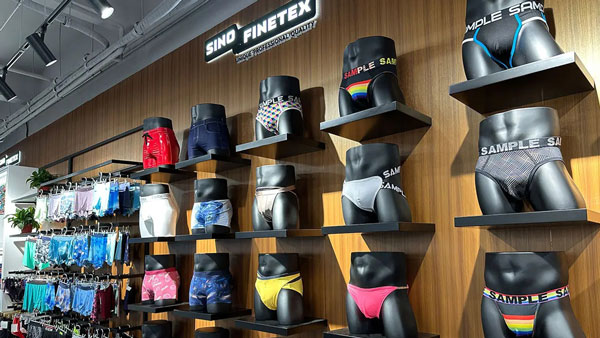
Lab Dips and Strike-Offs for Underwear: Approval Steps That Prevent Delays
A lab dip approves a dyed textile shade; a strike-off approves printed artwork on the intended substrate. They…
Read more →
Color MOQ Planning: How to Share Fabric Across Multiple Underwear Styles
Color MOQ planning works best when a brand treats dyed fabric as a shared material platform rather than…
Read more →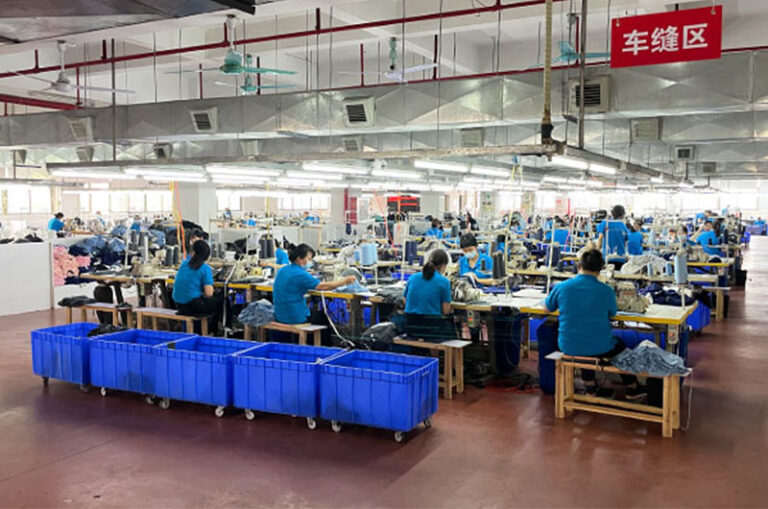
Underwear Fabric Utilization: How Marker Efficiency Changes Unit Cost
Fabric utilization converts a fabric quotation into a garment cost. The calculation must account for pattern area, fabric…
Read more →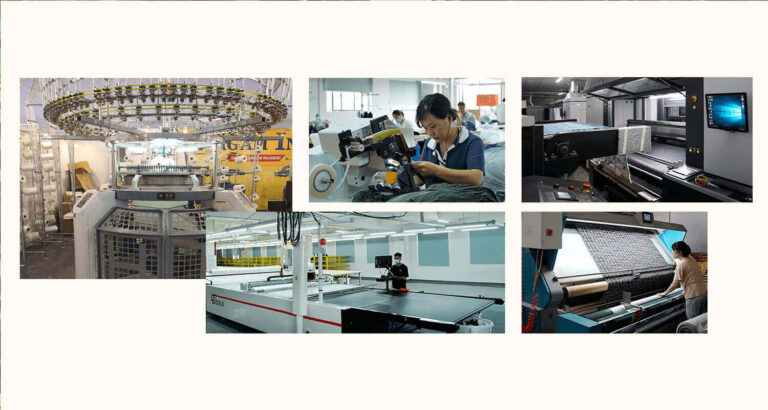
Open Costing for Men’s Underwear: Reading Fabric, Trim, Labor and Overhead Lines
An open-cost sheet is useful only when every line is tied to a measurable specification, a purchasing unit…
Read more →Global Apparel Sourcing Outlook 2026: Cotton, Freight and Supply-Chain Risk
A data-led 2026 apparel sourcing outlook on cotton balances, freight volatility, supplier diversification, lead time, compliance and practical…
Read more →Request a sample & pricing information
Send us your tech pack, target price or a reference sample — we reply with a quotation, a realistic lead time and a fabric recommendation within one working day.
- Free sampling plan & cost breakdown
- MOQ from 300 pcs per style
- Reply within 1 working day