
Microfiber Underwear Fabric: What Should Buyers Specify?
Specify microfiber underwear fabric by verified fiber content, knit structure, stretch, and wash performance. Use a sample checklist before awarding bulk.

When a supplier quotes microfiber underwear fabric, ask for the fiber composition and sample identification before comparing prices. Microfiber describes the fineness of fibers, and the term on its own does not tell you whether the main fiber is polyester or nylon, how the cloth is knitted, or how the finished garment will behave.
Last updated: November 25, 2026
What should a microfiber underwear fabric specification include?
A microfiber underwear fabric specification should name the generic fibers and their percentages, identify the knit and the supplier’s fabric code, and state how stretch, recovery, and care performance will be checked. Compare the same garment style in the candidate fabrics and approve a physical sample with the written specification before the bulk order.
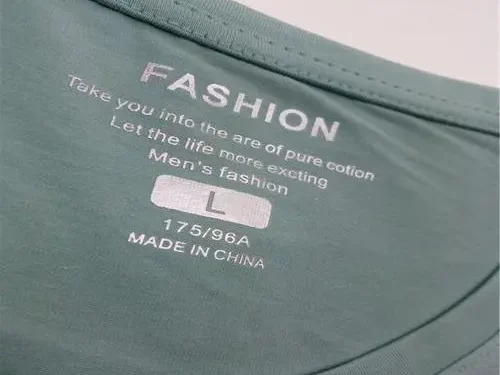
Turn the swatch name into a usable fabric record
Ask for the mill or supplier fabric code, main fiber, elastane content where applicable, knit structure, finish, and fabric weight. If you want the fineness to be part of the order requirement, ask which yarn or fiber the number describes and which unit the supplier uses. Do not compare a filament-level figure with the linear density of an entire yarn. Identify the place where the material will be used, such as the body, mesh panel, or pouch lining. One invoice description does not necessarily describe every fabric in the garment.
Keep the purchase specification and consumer-facing label connected. The FTC Textile Fiber Rule is a starting point for understanding U.S. generic fiber names and required disclosures. Do not treat a mill’s descriptor, a trade name, or a performance claim as the generic fiber declaration. Check the requirements for the intended market and confirm the finished garment’s composition before approving artwork. The Finetex nylon and polyester performance comparison is useful when the quoted compositions actually differ.
Compare swatches in the same garment and the same conditions
Make a comparison pair using the same pattern and size. Record which sample uses which body fabric and which trim or seam, if any, changed. Look at hand feel, stretch direction, opacity, and drape before trying the garments. During a fit check, mark whether fabric returns to shape around the leg opening and pouch after movement. A fabric that feels smooth on the card can still produce a garment that fits differently if the knit responds differently to stretching.
Use a comparable wear and care test for both samples. If the product brief calls for management of liquid moisture, agree on the exact claim and test before approving copy. AATCC TM195 describes a method for measuring liquid moisture management properties of textile fabrics. A fabric result alone cannot establish how the garment feels on every wearer or how a different sample will perform after laundering.

Check wear after laundering and retain the approved sample
Assign a control and compare the samples after the intended wash and dry procedure. ISO 6330 provides domestic washing and drying procedures for textile testing. Record the procedure, sample IDs, and your acceptance criteria rather than describing a sample as simply “wash tested.” Compare how the fabric and elastic recover, whether surface appearance changes, and whether the inside still feels comfortable at its seams.
Keep an example of the approved fabric and garment and link both to the fabric code. A similar hand feel does not establish that a substitute has the same structure, approved care behavior, color, or construction. Ask for a new sample if the mill, specified yarn, finish, or knit changes. Retain the approved specimen as part of the underwear wear-test plan so the team can compare later lots without depending on memory.
Approve the sample against the intended order
When two fabrics meet the same wear requirements, compare the complete quote. Include whether the fabric is in stock or needs development, which colors are quoted, and which changes would require another fit or care sample. Relate that decision to the actual garment instead of choosing a material solely from its fiber name. The Finetex boxer briefs range provides examples of the different constructions a buyer can discuss, including performance and mesh styles.
Keep the care and wear approvals on separate lines. A swatch may meet the fabric buyer’s hand-feel requirement but still need a new sewing trial on the finished style. Make it clear which changes require a new sample, who reviews that sample, and which signed reference is the final production baseline.
Questions about buying microfiber underwear fabric
Does microfiber always mean polyester?
No. Ask for the actual generic fiber names and percentages. Do not infer the composition, structure, or stretch of a fabric from the microfiber description alone.
Can you keep the pattern when switching microfiber suppliers?
Start by comparing the new and approved sample. Review stretch direction, recovery, dimensions, and seam performance in the same pattern. Confirm the required fit and care outcome before treating a supplier change as interchangeable.
Does a smooth hand prove that underwear will dry quickly?
No. If drying performance matters to the product brief, ask the lab to propose a relevant test and compare like samples under the same conditions. Hand feel is a separate approval item.
More factory-floor notes for brand owners

Naturally Dyed Underwear: What Should Buyers Test Before Bulk?
Plan naturally dyed underwear testing for wash and rub fastness, shade variation, and reorder approval. Match color and…
Read more →
Hidden Pockets in Boxer Briefs: Where Should They Sit?
Choose hidden pockets in boxer briefs by testing placement, access, load, and movement in comparable samples before approving…
Read more →Silk Underwear Sourcing: What Can a Buyer Approve from a Sample?
Use a silk underwear sourcing checklist to verify fiber composition, compare stretch and seams, and approve care and…
Read more →
Adaptive Men’s Underwear: How Do You Test Side Openings?
Test side openings in adaptive men's underwear with seated and one-handed dressing checks, closure placement reviews, and a…
Read more →Skin-Tone Underwear Color Matching: How Do You Approve a Range?
Plan skin-tone underwear color matching with physical swatches, stretch checks, and a repeatable shade approval record for production…
Read more →Underwear Product Photography: What Should Brands Show?
Plan underwear product photography with a clean main image, construction close-ups, accurate color variants, and a checklist for…
Read more →Request a sample & pricing information
Send us your tech pack, target price or a reference sample — we reply with a quotation, a realistic lead time and a fabric recommendation within one working day.
- Free sampling plan & cost breakdown
- MOQ from 300 pcs per style
- Reply within 1 working day