
Naturally Dyed Underwear: What Should Buyers Test Before Bulk?
Plan naturally dyed underwear testing for wash and rub fastness, shade variation, and reorder approval. Match color and material claims to the evidence.
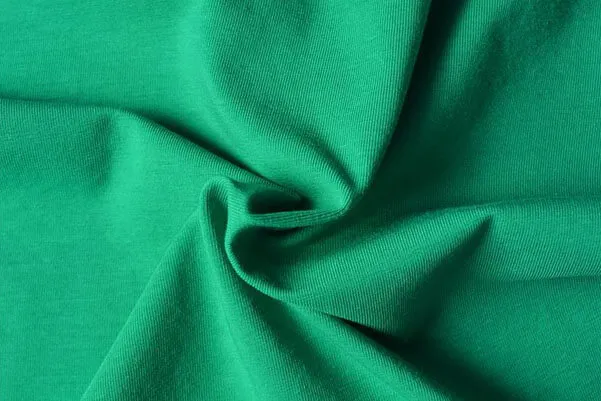
Naturally Dyed underwear testing should answer whether the color is suitable for the garment’s intended care, wear, and repeat orders. A dye name alone cannot tell you whether the material will transfer color or whether a later lot will match. Ask what the supplier used and how the actual fabric was processed before deciding what a lab should test.
Last updated: November 26, 2026
What should naturally dyed underwear testing cover?
Naturally Dyed underwear testing should cover color change, staining during laundering, transfer from rubbing, and the level of shade variation the buyer can accept. Test the intended fabric and trims, retain a reference from the approved lot, and agree when a new material or process requires another approval. Keep any marketing claim as narrow as the evidence.
Write down what the color claim refers to
Ask the supplier to identify the dyestuff or dye system, which parts of the garment it applies to, and what changes would require a new approval. Record the production substrate and color reference separately. If the body uses a plant-derived colorant and the elastic uses a different process, specify the two separately. Ask which process information the supplier can document before writing copy or artwork. The FTC Green Guides summary explains why broad environmental benefit claims are difficult to substantiate. Review the dyehouse chemical compliance guide if the buyer also has a chemical documentation requirement.
Agree on a retained shade reference on the intended fabric. Include the viewing conditions and the parts of the garment that are meant to match. Decide whether a difference between the body and elastic is intentional. Keep a reference for the unwashed garment and document any expected change under care. A physical comparison is more useful than a photo alone when another person has to approve a later shipment.
Separate color change from staining and rubbing
Ask the lab to record a change in the color of the original specimen separately from staining on adjacent material. They answer different buyer questions. A dark garment may still look acceptable after a wash while transferring color to a lighter material in the same load. ISO 105-C06 describes testing for color fastness to domestic and commercial laundering. Agree on the applicable procedure and separately assess the finished garment under its intended care instructions where appropriate. A fabric test is only part of the decision if elastic, thread, or other fabric is added in assembly.
Specify the rubbing conditions as well. ISO 105-X12 addresses resistance to color rubbing off and staining other materials. Ask the lab to report whether the test used wet or dry contact and which garment part was tested. A laboratory result tells you how the tested specimen performed under stated conditions. It should not be converted into a blanket claim that the color cannot transfer in use.
Check the bulk lot before the parts are mixed
Compare fabric from the delivered lot with the retained reference before distributing it to cutting. Keep samples that show the accepted shade range, and record which fabric roll or group they came from. If there is a visual difference, decide whether it matters when the parts sit next to one another in the finished garment. Review body and separate panels together under the intended viewing light. Use the underwear lab-dip approval workflow to keep a named sample, date, and expected result attached to the lot record.
Approve only for the conditions on the order. If the supplier changes the dye system, the material, or a step that affects the expected shade, request a reason and a new sample. Confirm the scope of testing before using a result from an earlier lot. If the reorder cannot match the original range, decide whether it has to be produced separately, sampled again, or identified as a different color in stocking records.

Write a clear acceptance record for the order
Put the approved sample, color allowance, laundering and rub checks, reporting conditions, and decision owner in the order documents. Record any permitted changes before printing packaging. The Finetex underwear manufacturing overview gives a buyer starting points for a knit garment brief. Confirm the actual dyeing process, test scope, and supplier documentation for the program you intend to order.
Questions about naturally dyed underwear
Does natural dye mean you can skip color fastness testing?
No. The result depends on the actual material and process. Use agreed wash and rubbing tests to determine whether the color is suitable for the product.
Should the buyer check elastic as well as the body fabric?
Yes, if the elastic can affect appearance, staining, or transfer in the intended garment. Note which parts were assessed and what reference the buyer accepted.
Can a reorder use the same color spec?
The target can carry forward. Compare a representative sample from the new lot against the retained reference and repeat checks when a material or process changes.
More factory-floor notes for brand owners
Hidden Pockets in Boxer Briefs: Where Should They Sit?
Choose hidden pockets in boxer briefs by testing placement, access, load, and movement in comparable samples before approving…
Read more →Silk Underwear Sourcing: What Can a Buyer Approve from a Sample?
Use a silk underwear sourcing checklist to verify fiber composition, compare stretch and seams, and approve care and…
Read more →Adaptive Men’s Underwear: How Do You Test Side Openings?
Test side openings in adaptive men's underwear with seated and one-handed dressing checks, closure placement reviews, and a…
Read more →Microfiber Underwear Fabric: What Should Buyers Specify?
Specify microfiber underwear fabric by verified fiber content, knit structure, stretch, and wash performance. Use a sample checklist…
Read more →Skin-Tone Underwear Color Matching: How Do You Approve a Range?
Plan skin-tone underwear color matching with physical swatches, stretch checks, and a repeatable shade approval record for production…
Read more →Underwear Product Photography: What Should Brands Show?
Plan underwear product photography with a clean main image, construction close-ups, accurate color variants, and a checklist for…
Read more →Request a sample & pricing information
Send us your tech pack, target price or a reference sample — we reply with a quotation, a realistic lead time and a fabric recommendation within one working day.
- Free sampling plan & cost breakdown
- MOQ from 300 pcs per style
- Reply within 1 working day