
Undershirt MOQ and Sampling: The Buying Workflow From Inquiry to PP Sample
The undershirt buying workflow runs through four stages, and each stage has a submission: the inquiry carries the spec, the sample carries the proof, the PP…
The undershirt buying workflow runs through four stages, and each stage has a submission: the inquiry carries the spec, the sample carries the proof, the PP sample carries the production configuration, and the bulk carries the standard. According to Finetex’s published undershirts program details, its line covers crew neck, V-neck, tank, and long-sleeve styles with OEM and ODM support, which gives a buyer a concrete reference for the workflow. This guide walks the four stages with the MOQ reality and the sampling rounds, so the undershirt order moves without regret.
The Four-Stage Undershirt Buying Workflow
The workflow is a sequence, and each stage produces the input for the next.
| Stage | What happens | What you submit |
|---|---|---|
| Inquiry | The factory quotes | The complete spec |
| Sample | The factory proves | The fit and wash approval |
| PP sample | The factory locks | The production configuration |
| Bulk | The factory delivers | The acceptance standard |
The sequence protects the buyer: the spec produces a quote worth comparing, the sample produces a product worth approving, and the PP sample produces a bulk order worth releasing. The buyer who skips a stage inherits the risk of the skipped step.
The workflow should also be timed. The inquiry, the sample, the revision, the PP sample, and the bulk each have a window, and the windows are mapped backward from the launch. The calendar is part of the workflow, not an afterthought.
What to Send in the Inquiry
The inquiry is the factory’s instruction, and the complete inquiry is the one that gets a usable quote. Send the style, the neckline, the size range, the fabric direction with the weight and the blend, the colors, the packaging, and the target price. Name the measurements the sample will be judged against, because the factory that knows the acceptance criteria produces a sample that passes them.
The inquiry should also state the quantity tier and the target market, because the MOQ and the lead-time answers depend on them. A factory can quote a structure and a calendar only when it knows the order’s shape.
The written inquiry also becomes the comparison tool. The same spec sent to two factories produces two comparable quotes, and the comparison is the first evidence of the relationship.
Inquiry detail is also a scheduling input. The factory cannot give a sample calendar until it knows the quantity tier, the color count, and the packaging format, because each of these changes the sampling workload. A buyer who sends a two-line email receives a vague estimate; a buyer who sends a full spec receives a dated plan. Ask for the sample calendar in the first reply and the bulk calendar in the second, and write both into the order file. The calendar is the first deliverable the factory controls, and holding it to a date is the buyer’s first management act.
MOQ Reality for Basics
The MOQ reality for basics is the structure question, not the number question. According to Finetex’s current underwear page, the full-customization MOQ is 1,000-3,000 pieces per design with mixed sizes, and the undershirts program follows the same structure with flexibility depending on the fabric, color, and style. The buyer should confirm the structure per design, per color, and per fabric, because the structure is where the order grows.
The MOQ basics belong to the general guide, and the undershirt version adds the staple logic: the undershirt is ordered repeatedly, so the MOQ structure should fit the replenishment model. The buyer who confirms the structure at the first order avoids renegotiating from zero at the reorder.
The MOQ structure also defines the first test. An order at the minimum that fits the cash plan tests the market without overcommitting, and the reorder reads the data to adjust the depth per style and per color.
The flexibility in the MOQ structure works at the color and the fabric level, not at the total level. A factory that quotes 1,000-3,000 pieces per design with mixed sizes usually still charges more per piece when the order spreads across many colors, because each color run carries its own fabric and its own dye lot. The efficient first order concentrates the colors and tests the styles, then widens the palette on the reorder. That sequence is why the undershirt MOQ conversation should start with the color count, not with the price per piece.
Sampling Rounds: Development to PP
The sampling rounds have three gates: the development sample, the revision, and the pre-production sample. The development sample proves the concept; the revision incorporates the fit feedback; the PP sample locks the production configuration.
The undershirt-specific checks are the neckline, the length, and the fabric behavior. Measure the size set, wash the samples in the customer’s real cycle, and wear-test across body types, and record every result in the approval file.
The revision round runs on documentation. Each change is written with the reason and the target, the factory confirms the change in the next sample, and the buyer who keeps the record gets a second sample that solves the stated problem rather than a new guess.
The timing of each round is a planning number. A development sample from Finetex’s published program runs roughly five to seven days after the spec is approved, and the revision and PP rounds should be booked into the calendar before the bulk lead time is quoted. The buyer who treats the sample as a one-week event discovers the calendar problem only at the launch date; the buyer who books the rounds backward from the launch builds the slack in. Each round also produces a record: the spec used, the changes made, and the measurements measured. The record is what makes the next round comparable.
Approving the PP Sample
The PP sample is the sampling sequence’s last gate, ordered from the production configuration and made as close to the bulk as the factory can manage. Confirm what it represents, the fabric lot, the label setup, and the sizes covered, because those are the variables the undershirt bulk acceptance will check.
Run the same measurements and the same wash test on the PP sample as on the development sample, and compare the two records before releasing the order. The PP sample cannot guarantee that bulk matches in every stitch, but it fixes the neckline, the length, and the fabric behavior that an undershirt customer actually keeps.
Because the undershirt program’s acceptance runs on the PP record, the buyer should sign and file it before the bulk release; a verbal approval leaves no measurement, no wash result, and no label check to judge the shipment against. The signed file is the reference the acceptance uses.
The PP sample is also the moment to check the non-fabric variables. The label placement, the care content, the packaging fold, and the size tag all sit on the production configuration, and a change made after the PP sample rarely reaches bulk without cost. Check the label wording against the compliance requirements for the destination market, because a misspelled care instruction or a missing fiber content line is harder to fix after the cartons are packed. The PP approval should therefore cover the garment, the label, and the pack, with each one photographed and filed.
Moving to Bulk Without Regret
The move to bulk is a document transfer, not a handshake. The purchase order should reference the approved samples, the acceptance rules, the inspection plan, and the payment terms, and the order file should hold the evidence.
The acceptance side of the document transfer is the inspection plan. Decide before the bulk run who inspects, which AQL level applies, and what happens when a carton fails, and write the decision into the purchase order. A pre-shipment inspection with photos and measurements is the standard check for a first undershirt order, because it catches the size drift and the sewing issues while the factory can still correct them. The inspection is not a sign of distrust; it is the evidence step that makes the four-stage workflow verifiable.
A sourcing operations manager’s view on the workflow
A sourcing operations manager who runs basics programs for e-commerce brands describes the four-stage workflow as the difference between a test and a tuition. In their experience, the buyers who move to bulk with the PP record and the acceptance rules get a shipment that matches the standard, while the buyers who move on a hope get the regret the inspection later explains. Their standard advice is to treat the workflow as a contract, because the record is what turns a quality question into a factual one.
Finetex’s men’s undershirts manufacturing page runs the crew neck, V-neck, tank, and long-sleeve programs through the sampling and MOQ workflow, and its contact page accepts workflow briefs with the spec and the target market. Bring the spec and the target market, and the factory can run the four stages with the records the workflow needs.
Frequently Asked Questions
What are the four stages of the undershirt buying workflow?
The inquiry, the sample, the PP sample, and the bulk. Each stage produces the input for the next, and skipping a stage inherits the risk.
What should the inquiry include?
The style, the neckline, the size range, the fabric direction, the colors, the packaging, the target price, the quantity tier, and the target market.
What is the MOQ for custom undershirts?
According to Finetex’s current underwear page, the full-customization MOQ is 1,000-3,000 pieces per design with mixed sizes, with flexibility depending on the fabric, color, and style.
What are the sampling rounds?
The development sample, the revision, and the PP sample. The undershirt checks are the neckline, the length, and the fabric behavior.
Why is the PP sample the last gate?
It locks the production configuration and is the reference the bulk is judged against. Run the same checks and compare the records before releasing the order.
What should the purchase order reference?
The approved samples, the acceptance rules, the inspection plan, and the payment terms. The order file holds the evidence.
Sources
- Finetex Global — Men’s Undershirts Manufacturing
- Finetex Global — What Is MOQ In China Clothing Manufacturing?
- Finetex Global — Contact Us
It sits inside the wider the undershirt manufacturing guide, where the rest of the sequence is set out.
More factory-floor notes for brand owners

Sample Revision Limits: How to Control Underwear Development Cost and Calendar
A sample revision limit should control scope, not block necessary correction. The buyer and factory need to distinguish…
Read more →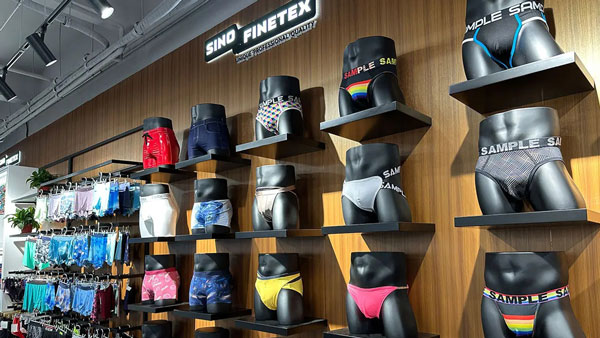
Lab Dips and Strike-Offs for Underwear: Approval Steps That Prevent Delays
A lab dip approves a dyed textile shade; a strike-off approves printed artwork on the intended substrate. They…
Read more →
Color MOQ Planning: How to Share Fabric Across Multiple Underwear Styles
Color MOQ planning works best when a brand treats dyed fabric as a shared material platform rather than…
Read more →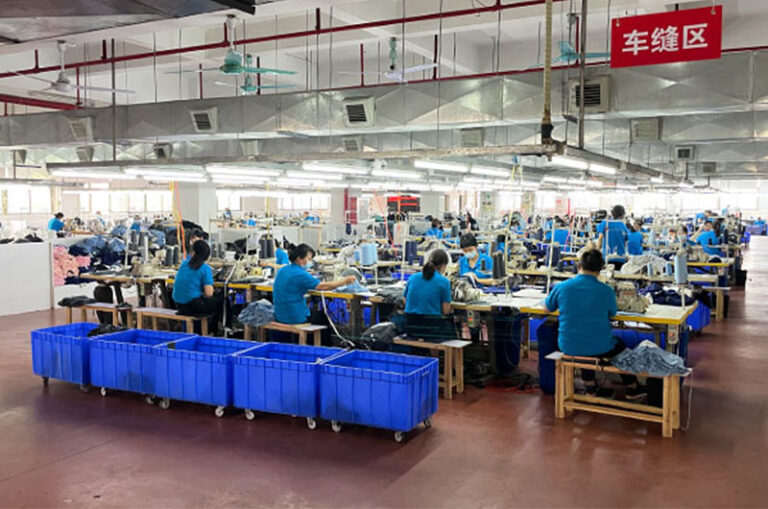
Underwear Fabric Utilization: How Marker Efficiency Changes Unit Cost
Fabric utilization converts a fabric quotation into a garment cost. The calculation must account for pattern area, fabric…
Read more →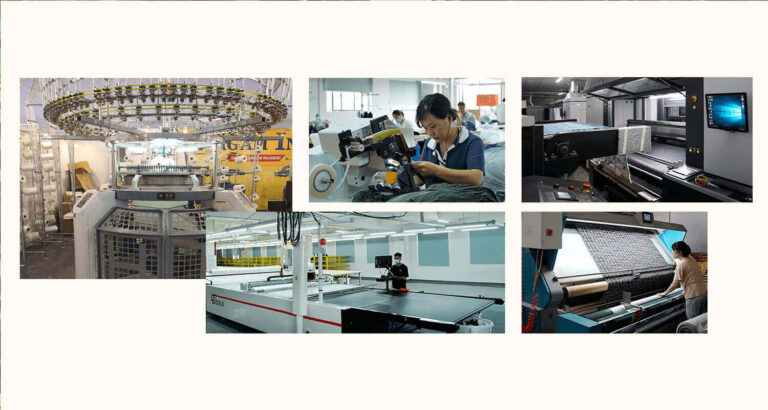
Open Costing for Men’s Underwear: Reading Fabric, Trim, Labor and Overhead Lines
An open-cost sheet is useful only when every line is tied to a measurable specification, a purchasing unit…
Read more →Global Apparel Sourcing Outlook 2026: Cotton, Freight and Supply-Chain Risk
A data-led 2026 apparel sourcing outlook on cotton balances, freight volatility, supplier diversification, lead time, compliance and practical…
Read more →Request a sample & pricing information
Send us your tech pack, target price or a reference sample — we reply with a quotation, a realistic lead time and a fabric recommendation within one working day.
- Free sampling plan & cost breakdown
- MOQ from 300 pcs per style
- Reply within 1 working day