
Will my sample cost be refunded when I place an order?
Whether underwear sample costs are refunded when an order is placed: what sample fees usually cover, which costs are credited and which are not, and how…
Part of Sampling, Orders, Quality & Shipping in Finetex Talk — buyer questions answered by the Finetex editorial team.
A brand paid for several rounds of underwear samples and courier fees, then placed a first order. It assumed the sample charges would be deducted from the order, but the factory's invoice shows the full order amount.
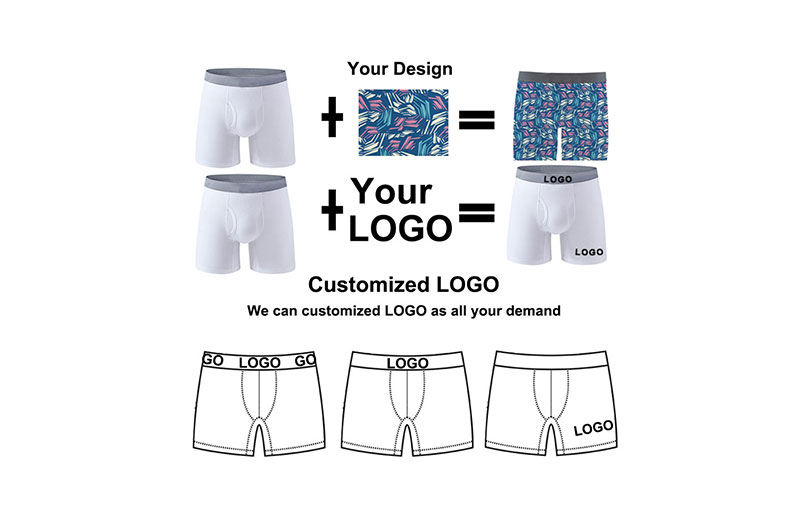
Short answer: Whether sample costs are refunded or credited depends entirely on what was agreed, because practice differs between factories and between types of cost. Many factories charge for samples to cover pattern making, sample fabric, trims, sample sewing and sometimes custom elastic or printed waistbands, and some credit part or all of this against a first order that reaches an agreed quantity. Courier costs are usually not credited, because they are paid to a third party. Development costs that are specific to the style, such as a custom jacquard waistband, printing screens or a knitting set-up for custom fabric, may be charged separately and are often not refundable, because they are spent whether or not an order follows. Lab tests requested during development, for example shrinkage to ISO 5077 or colour fastness to washing to ISO 105-C06, are normally charged at the lab's cost. To avoid a surprise, ask before sampling for a written breakdown of sample charges, which of them are creditable, the minimum order needed to earn the credit, and the time limit within which the order must be placed. Then make sure the credit appears on the proforma invoice, not only in emails, so both sides apply the same terms.
What sample fees usually cover
- Pattern making and grading.
- Sample fabric, elastic and trims.
- Sample sewing time.
- Special set-ups for custom materials.
Often not credited
- Courier and shipping costs.
- Third-party lab tests.
- Printing screens and custom tooling.
- Extra rounds caused by design changes.
Agreeing terms
- Written breakdown of sample charges.
- Which costs are creditable.
- Minimum order to earn the credit.
- Time limit for the order.
A worked example
As an illustration, a brand could ask the factory to confirm in the quotation that pattern and sample sewing fees are credited if the first order reaches the stated MOQ within an agreed period, while couriers, tests and printing screens are paid separately.
Extra rounds
Agree how many rounds are included. Rounds caused by the brand changing the design are commonly charged, while rounds needed to correct factory errors are often not; write down how each case will be treated.
If the credit was not applied
If an agreed credit is missing from an invoice, send the factory the written terms and the sample payment references, and ask for a corrected proforma before paying the deposit. If nothing was agreed in writing, treat any credit as a negotiation rather than an entitlement.
Limits
Terms vary widely. Nothing here describes what any particular factory must offer; the agreement between the parties decides.
Facts, recommendations and uncertainty
Established: sample credit depends on what was agreed, and third-party costs are rarely credited. Recommendation: get written sample terms, including credit conditions, before development. Uncertain: the terms any given factory will accept.
Sources and further reading
- ISO 5077:2007 — Determination of dimensional change in washing and drying
- ISO 105-C06:2010 — Colour fastness to domestic and commercial laundering
Standards and regulations are referenced by their published scope. Test parameters, cycles and pass levels should be agreed with your laboratory for the specific product; legal requirements should be confirmed for each destination market.
Three more perspectives
Ask for a sample quotation that separates pattern, sewing, materials, set-up, testing and courier costs. Confirm whether the credit applies to the first order only or can be split across orders. Check that the proforma invoice shows the credit as a line item. Keep sample payments and order payments clearly referenced so they can be matched later. Agree the currency and exchange basis if the credit is paid in a different currency from the order.
Plan the design before sampling, since changes after the first round are the main source of extra, non-credited rounds. Decide early whether you need custom elastic or printed waistbands, because their set-up costs are separate. Use stock materials for early rounds if the factory allows, and switch to custom materials once the fit is close. Ask for the cost of each extra round before requesting it, so design changes are weighed against cost.
Ask which tests will be run during development and who pays for them, so results can later support care labels. Keep test reports with the sample records. If a round was repeated because of a factory error, note it with photos and measurements so it can be discussed fairly when charges are reviewed. Keep the final approved sample with its cost record.
Related products
← More in Sampling, Orders, Quality & Shipping · All Talk topics · Ask us about your programme
More factory-floor notes for brand owners
Why did my reorder price go up?
Why an apparel reorder price can go up: fabric and trim costs, smaller quantities, specification changes, labour and…
Read more →
How do I read an underwear quotation line by line?
How to read an underwear quotation line by line: fabric, elastic and trims, labour, packaging, testing, overheads and…
Read more →
How do peak seasons affect apparel factory capacity?
How peak seasons and holidays affect apparel factory capacity and lead times, why fabric and shipping are also…
Read more →
Should I split one style across two factories?
Whether to split one apparel style across two factories: the benefits for capacity and risk, the risks for…
Read more →
What are the biggest risks on a small brand’s first order?
The biggest risks on a small brand's first apparel order, from unclear specifications and sample approval to payment,…
Read more →
What changes should a factory notify before production?
Which changes a factory should notify the buyer about before production, such as fabric, dye, trims, subcontracting or…
Read more →Request a sample & pricing information
Send us your tech pack, target price or a reference sample — we reply with a quotation, a realistic lead time and a fabric recommendation within one working day.
- Free sampling plan & cost breakdown
- MOQ from 300 pcs per style
- Reply within 1 working day