
What should be approved before bulk cutting starts?
What should be approved before bulk cutting starts: bulk fabric shade, weight, width, shrinkage, fastness and surface against the approved standard, plus trims, markers and the…
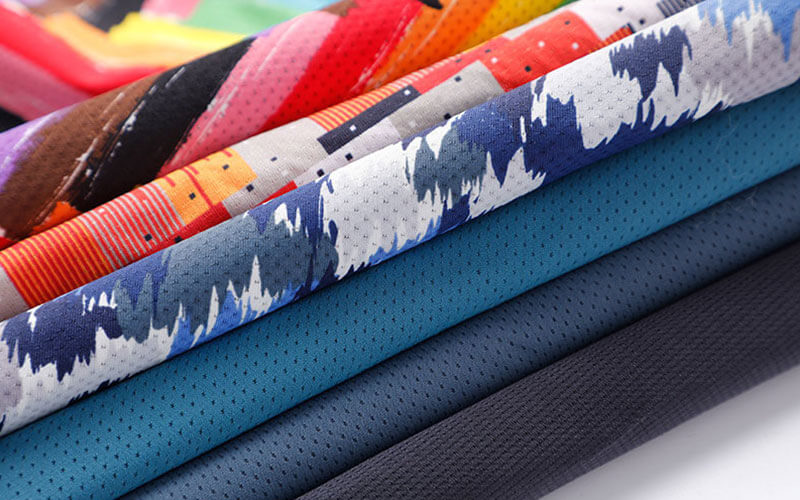
Part of Sampling, Orders, Quality & Shipping in Finetex Talk — buyer questions answered by the Finetex editorial team.
A factory tells a brand that bulk fabric for its boxer brief order has arrived and asks for permission to start cutting the next day. The brand wants to know what it should approve first, because once fabric is cut, problems become expensive.
Short answer: Cutting is the last point at which fabric problems can be fixed cheaply, because cut panels cannot be re-dyed, re-finished or returned to the mill. Before cutting, the bulk fabric should be checked against the approved standard and the order specification. Shade comes first: compare a header from each dye lot with the approved lab dip under the agreed light, and decide whether lots will be cut separately so that one garment does not mix shades; instrumental colour difference can be calculated with ISO 105-J03. Then check weight per square metre against the tolerance, using a method such as ASTM D3776, plus usable width, which affects the marker. Shrinkage should be tested on bulk fabric, for example with ISO 5077, because the pattern allows for an expected shrinkage and a different value changes the finished size. Colour fastness to washing, for example ISO 105-C06, and pilling with ISO 12945-2 where surface matters, confirm that bulk performs like the sample fabric. Fabric should also be inspected for visible faults such as holes, stains, barre or uneven dyeing. Beyond fabric, confirm that the PP sample is approved, the elastic and trims match, the marker uses the right pattern version, and the size ratio is final.
Fabric checks
- Shade by dye lot against the standard.
- Weight and usable width.
- Shrinkage on bulk fabric.
- Fastness and pilling where needed.
- Visual faults.
Other approvals before cutting
- PP sample approved, with comments closed.
- Elastic, thread and trims matched.
- Marker and pattern version.
- Final size and colour quantities.
Handling shade lots
- Separate rolls by lot.
- Cut each garment from one lot.
- Keep panels in bundles by lot.
A worked example
As an illustration, a brand could ask the factory to send a header from each bulk dye lot, a short test report on weight and shrinkage, and a photo of the marker with its pattern version, then approve cutting by email once all three match the PP sample.
If bulk fabric is outside tolerance
Decide with the factory whether to re-finish, adjust the pattern for a different shrinkage, use the lot for another style, or replace it. Each option affects time and cost, so a quick decision before cutting saves both.
Recording the approval
Give cutting approval in writing, listing the lots approved, the test results reviewed, the pattern version and any conditions, such as cut lot B only for the black style. A clear record avoids later disputes about what was approved.
Limits
Lab results describe the tested specimens. Roll-to-roll variation means that checks should cover several rolls and lots, not one swatch.
Facts, recommendations and uncertainty
Established: fabric shade, weight, width, shrinkage and fastness should be confirmed on bulk before cutting. Recommendation: approve cutting in writing after lot headers, tests and marker are checked. Uncertain: variation within lots that only shows on finished garments.
Sources and further reading
- ASTM D3776/D3776M — Mass per unit area (weight) of fabric
- ISO 5077:2007 — Determination of dimensional change in washing and drying
- ISO 105-C06:2010 — Colour fastness to domestic and commercial laundering
- ISO 12945-2:2020 — Pilling, fuzzing or matting, modified Martindale method
- ISO 105-J03:2009 — Calculation of colour differences
Standards and regulations are referenced by their published scope. Test parameters, cycles and pass levels should be agreed with your laboratory for the specific product; legal requirements should be confirmed for each destination market.
Three more perspectives
Ask the factory to send bulk fabric results and lot headers before it requests cutting approval, so there is time to review. Agree in the purchase order which tests are required on bulk fabric and who pays. Confirm what happens to fabric that fails, such as replacement by the mill. Keep a record of the mill's lot numbers for each colour.
Check that the bulk fabric is the same quality, composition and finish as the approved sample, and that no substitute was used because of supply problems. Confirm that the pattern's shrinkage allowance matches the bulk test result. Review the marker for print direction and nap where relevant, since fleece and some knits look different in each direction. Confirm the cutting direction for printed fabrics.
Inspect a share of rolls for visual faults and record the results by roll. Check shade lots side by side under the agreed light and record any shade bands. Make sure bundles stay lot-separated through sewing. Keep a cut swatch from each lot with the order file, so later complaints can be traced to a specific roll or lot. Record which lots went into which cartons.
Related products
← More in Sampling, Orders, Quality & Shipping · All Talk topics · Ask us about your programme
More factory-floor notes for brand owners

Why did my reorder price go up?
Why an apparel reorder price can go up: fabric and trim costs, smaller quantities, specification changes, labour and…
Read more →
How do I read an underwear quotation line by line?
How to read an underwear quotation line by line: fabric, elastic and trims, labour, packaging, testing, overheads and…
Read more →
How do peak seasons affect apparel factory capacity?
How peak seasons and holidays affect apparel factory capacity and lead times, why fabric and shipping are also…
Read more →
Should I split one style across two factories?
Whether to split one apparel style across two factories: the benefits for capacity and risk, the risks for…
Read more →
What are the biggest risks on a small brand’s first order?
The biggest risks on a small brand's first apparel order, from unclear specifications and sample approval to payment,…
Read more →
What changes should a factory notify before production?
Which changes a factory should notify the buyer about before production, such as fabric, dye, trims, subcontracting or…
Read more →Request a sample & pricing information
Send us your tech pack, target price or a reference sample — we reply with a quotation, a realistic lead time and a fabric recommendation within one working day.
- Free sampling plan & cost breakdown
- MOQ from 300 pcs per style
- Reply within 1 working day