
What actually drives production lead time for basics?
What actually drives production lead time for basics such as underwear and T-shirts: approvals, fabric and dyeing, trims and packaging, testing, sewing capacity, inspection and shipping,…
Part of Sampling, Orders, Quality & Shipping in Finetex Talk — buyer questions answered by the Finetex editorial team.
A brand is quoted a lead time for basic boxer briefs that seems long for a simple product. It asks what drives the lead time and which parts it can influence.
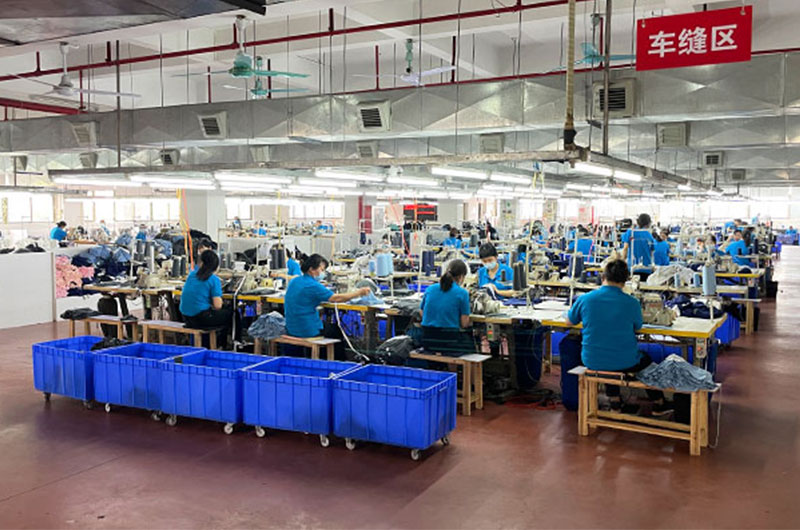
Short answer: Lead time for basics is driven less by sewing, which is often a small part of the total, and more by everything that must be ready before sewing can start. The critical path usually runs through approvals and materials. Sample and PP approvals must be completed, and every day a comment waits on either side adds to the date. Fabric is often the longest step: knitting, dyeing and finishing to order, followed by testing, and any lab dip rounds before dyeing; colour difference can be assessed with methods such as ISO 105-J03. Elastic, printed waistbands, labels and printed packaging have their own production times and minimums, and one late trim can hold the whole order. Bulk fabric tests, such as shrinkage with ISO 5077 and colour fastness to washing with ISO 105-C06, need lab time before cutting is approved. Sewing time depends on order size and the factory's line capacity during that season. After sewing, final inspection, often using an ISO 2859-1 sampling plan with an AQL agreed in the contract, must be booked, and any rework adds days. Shipping booking and transit then follow. Buyers can shorten lead time most by finalising design early, approving quickly, using stock fabrics or colours, and ordering trims and packaging in parallel with fabric.
The main drivers
- Sample and PP approvals.
- Fabric knitting, dyeing and finishing.
- Trims, labels and packaging.
- Bulk fabric testing.
- Sewing capacity and season.
- Inspection and shipping.
What buyers can influence
- Fast, clear approvals.
- Stock fabrics and colours.
- Packaging artwork sent early.
- Parallel ordering of trims.
What buyers cannot easily change
- Mill and dye house queues.
- Peak season capacity.
- Freight schedules.
A worked example
As an illustration, a brand could send packaging artwork at the same time as approving the fit sample, so printed boxes are produced while fabric is being dyed, instead of starting packaging only after bulk sewing begins.
Reading a lead time quote
Ask the factory to break the quoted lead time into stages: materials, approvals, sewing, finishing and inspection. A breakdown shows which steps are on the critical path and where the date depends on the buyer.
Repeat orders
Repeat orders of an approved style are usually faster, because patterns, approvals and often materials are already settled. Lead time can be shortened further if the factory holds greige fabric or stock elastic for core colours, which buyers can agree in advance with a forecast.
Limits
Lead times change with season, order size and material availability. A quote is only valid for the conditions stated at the time it is given.
Facts, recommendations and uncertainty
Established: lead time is mostly driven by approvals, fabric and trims rather than sewing alone. Recommendation: approve quickly and order trims and packaging in parallel. Uncertain: capacity and material queues at the time of the order.
Sources and further reading
- ISO 105-J03:2009 — Calculation of colour differences
- ISO 5077:2007 — Determination of dimensional change in washing and drying
- ISO 105-C06:2010 — Colour fastness to domestic and commercial laundering
- ISO 2859-1:2026 — Sampling procedures for inspection by attributes (AQL)
Standards and regulations are referenced by their published scope. Test parameters, cycles and pass levels should be agreed with your laboratory for the specific product; legal requirements should be confirmed for each destination market.
Three more perspectives
Ask for the lead time to be counted from a clear start point, such as deposit received and PP approved, rather than from order placement. Request a stage-by-stage timeline and agree weekly updates. Check which materials are in stock and which must be made. Ask the factory to say early if peak season will affect its line capacity.
Freeze design and colours before the order, since late changes restart material steps. Choose stock fabric colours for fast replenishment styles. Send label and packaging artwork with the order, already checked for each market. Keep the number of custom elements, such as printed waistbands, small when time is critical. Use the same trims across styles where possible, so one material order serves several products.
Book inspection dates in advance, especially in busy seasons. Agree bulk fabric tests early so lab results do not delay cutting. Review inline inspection findings quickly, since rework found late adds more time than rework found early. Check carton and labelling requirements before packing begins. Plan time for re-inspection in case the first final inspection fails, so that a failure does not automatically mean a missed shipment date.
Related products
Related articles
← More in Sampling, Orders, Quality & Shipping · All Talk topics · Ask us about your programme
More factory-floor notes for brand owners
Why did my reorder price go up?
Why an apparel reorder price can go up: fabric and trim costs, smaller quantities, specification changes, labour and…
Read more →
How do I read an underwear quotation line by line?
How to read an underwear quotation line by line: fabric, elastic and trims, labour, packaging, testing, overheads and…
Read more →
How do peak seasons affect apparel factory capacity?
How peak seasons and holidays affect apparel factory capacity and lead times, why fabric and shipping are also…
Read more →
Should I split one style across two factories?
Whether to split one apparel style across two factories: the benefits for capacity and risk, the risks for…
Read more →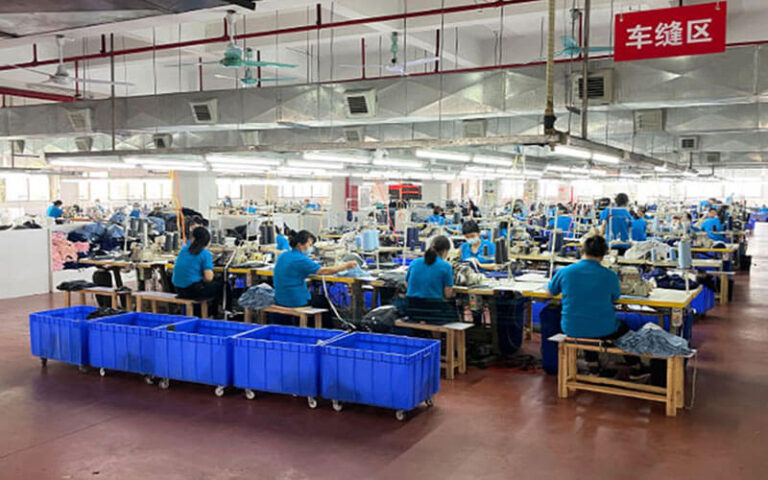
What are the biggest risks on a small brand’s first order?
The biggest risks on a small brand's first apparel order, from unclear specifications and sample approval to payment,…
Read more →
What changes should a factory notify before production?
Which changes a factory should notify the buyer about before production, such as fabric, dye, trims, subcontracting or…
Read more →Request a sample & pricing information
Send us your tech pack, target price or a reference sample — we reply with a quotation, a realistic lead time and a fabric recommendation within one working day.
- Free sampling plan & cost breakdown
- MOQ from 300 pcs per style
- Reply within 1 working day