
How do I read an underwear quotation line by line?
How to read an underwear quotation line by line: fabric, elastic and trims, labour, packaging, testing, overheads and margin, plus Incoterms rule, quantity breaks, currency and…
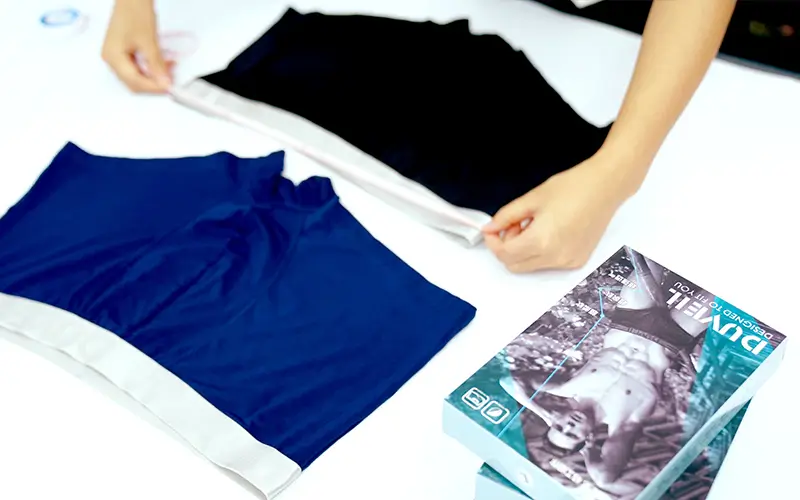
Part of Sampling, Orders, Quality & Shipping in Finetex Talk — buyer questions answered by the Finetex editorial team.
A brand receives quotations for boxer briefs from two factories. One gives a single unit price, the other a breakdown, and the buyer wants to know what each line means and how to compare them.
Short answer: A unit price is only meaningful when you know what it includes. A breakdown, where offered, helps you see how specification choices affect cost. Typical lines in an underwear quotation are fabric, which is often the largest cost and depends on fibre, weight, width and yield; waistband elastic and other trims such as labels, thread and gussets; making, which covers cutting, sewing and finishing; packaging, such as polybags, boxes, hangtags and cartons; and testing, if included. Some quotations also show overheads and margin, while others include them in the making cost. Next, check the terms around the price. The Incoterms rule and named place tell you what is included: for example, FOB includes export clearance but not freight or import duties, while DDP includes import formalities and duties paid by the seller, according to ICC guidance. Check quantity breaks, since unit prices often depend on order quantity per colour and size. Check currency, validity period and conditions such as fabric price changes. Ask which specification the price is based on: fabric weight, composition, size range, number of colours and packaging. To compare quotations fairly, ask both factories to quote on the same specification, quantities and Incoterms rule, and use a landed-cost sheet that adds freight, insurance, duties and clearance. The cheapest unit price is not always the lowest total cost.
Typical quotation lines
- Fabric.
- Elastic and trims.
- Making.
- Packaging.
- Testing.
- Overheads and margin.
Terms to check
- Incoterms rule and named place.
- Quantity breaks.
- Currency and validity.
- Specification basis.
A worked example
As an illustration, a brand could send both factories the same tech pack, quantities per colour and size, packaging spec and "FOB [port], Incoterms 2020", and compare the breakdowns line by line.
Fabric yield and size range
Fabric cost depends on how much fabric is used per piece, which changes with size range, pattern layout and fabric width. A quote for a narrow size range may not apply if you add larger sizes later. Ask which sizes the price covers and whether larger sizes are priced separately.
Hidden or one-off costs
Some costs are charged once per order or style rather than per unit, such as sampling, label setup, printing screens or test fees. Ask for these to be listed separately, so you can compare total order cost, not only the unit price.
Limits
A breakdown is an estimate. Some costs, such as fabric, can change between quotation and order.
Facts, recommendations and uncertainty
Established: Incoterms 2020 rules determine what delivery, customs and cost responsibilities a price includes; DDP is the only rule where the seller pays import tariffs. Recommendation: compare quotes on the same specification, quantities and Incoterms rule using landed cost. Uncertain: changes in material costs after quotation.
Sources and further reading
- ICC — Incoterms® 2020
- ICC Guidance Note — Using the Incoterms® 2020 rules to manage tariff risk (2025)
Standards and regulations are referenced by their published scope. Test parameters, cycles and pass levels should be agreed with your laboratory for the specific product; legal requirements should be confirmed for each destination market.
Three more perspectives
Ask for quotes on the same basis and keep each quotation's validity date. Clarify what happens if material prices change. Ask which costs are fixed per order, such as setup or sampling. Ask whether the price changes for split shipments or mixed cartons. Check bank charges and currency conversion. Clarify payment terms, since they can affect price. Keep a record of each quotation version.
Understand how specification choices affect cost, such as fabric weight or packaging type. Review the breakdown to see where changes would have the biggest effect. Avoid cutting costs on details that affect quality. Ask for prices for alternative options, such as a different packaging format or elastic, so you can see the cost of each choice before deciding. Keep the approved specification fixed once the price is agreed. Note any assumption about fabric weight in the specification.
Check whether testing and inspection are included in the price. Make sure the quoted specification matches the approved sample. Keep the quotation with the order records. Confirm that the quoted packaging, labels and cartons meet your warehouse and channel rules, since changes after quotation add cost. Check whether test costs are per fabric or per style. Make sure the inspection plan is agreed before the price is fixed. Record differences between quote and bulk.
Related products
← More in Sampling, Orders, Quality & Shipping · All Talk topics · Ask us about your programme
More factory-floor notes for brand owners
Why did my reorder price go up?
Why an apparel reorder price can go up: fabric and trim costs, smaller quantities, specification changes, labour and…
Read more →
How do peak seasons affect apparel factory capacity?
How peak seasons and holidays affect apparel factory capacity and lead times, why fabric and shipping are also…
Read more →
Should I split one style across two factories?
Whether to split one apparel style across two factories: the benefits for capacity and risk, the risks for…
Read more →
What are the biggest risks on a small brand’s first order?
The biggest risks on a small brand's first apparel order, from unclear specifications and sample approval to payment,…
Read more →
What changes should a factory notify before production?
Which changes a factory should notify the buyer about before production, such as fabric, dye, trims, subcontracting or…
Read more →
What is a sealed or golden sample and why keep one?
What a sealed or golden sample is in apparel production, why buyers and factories keep one, how to…
Read more →Request a sample & pricing information
Send us your tech pack, target price or a reference sample — we reply with a quotation, a realistic lead time and a fabric recommendation within one working day.
- Free sampling plan & cost breakdown
- MOQ from 300 pcs per style
- Reply within 1 working day