
When is air freight worth it for basics?
When air freight is worth the extra cost for basics such as underwear and T-shirts: how to compare landed cost and lead time, which situations justify…

Part of Sampling, Orders, Quality & Shipping in Finetex Talk — buyer questions answered by the Finetex editorial team.
A brand selling boxer briefs and T-shirts is about to run out of its best-selling sizes. Sea freight would arrive after the stock-out, air freight would arrive in time, and the team needs a rule for when air is worth paying for.
Short answer: Air freight is usually worth it only when the cost of being out of stock, or the value of arriving early, is larger than the extra freight cost per unit. For basics, the unit value is often low compared with the weight and volume, so moving a whole order by air can remove much of the margin. Sea freight takes longer and has more steps, such as container loading, port handling and possible congestion, but is usually far cheaper per unit for full orders. Air is commonly charged on the greater of actual and volumetric weight, so bulky goods such as hoodies cost more to fly than their weight suggests. A practical rule is to compare the extra landed cost of air per unit with the margin you would lose during a stock-out, including marketplace ranking or customer loss where relevant. Situations that often justify air are urgent replenishment of fast-selling sizes, a launch date that cannot move, or samples and small top-up quantities. A split shipment, with a small share of the order by air to cover the gap and the rest by sea, often balances cost and timing. The Incoterms rule should suit the mode: ICC Academy guidance notes that FOB is for sea and inland waterway transport only, while FCA works for any mode, including air. Planning reorders earlier is usually cheaper than using air regularly.
When air may be worth it
- Stock-out of fast-selling sizes.
- Fixed launch or promotion dates.
- Samples and small top-ups.
When sea is usually better
- Full replenishment orders.
- Bulky, low-value items.
- Orders planned with enough lead time.
A worked example
As an illustration, a brand could ship enough of its top three sizes by air to cover the expected gap until the sea shipment arrives, and send the remaining cartons by sea, with both shipments under clearly separate packing lists.
What to agree with the factory
Agree which cartons go by air, packing and labelling for each shipment, and the ready date for each part. Ask the forwarder for quotes on both modes using actual carton sizes and weights.
Reducing the need for air
Most urgent air shipments for basics come from late reorders. Setting reorder points that cover the full sea lead time plus a safety margin, and reviewing them each month, usually reduces how often air is needed.
Limits
Freight rates and transit times change with season and capacity. Use current quotations, not past rates, for each decision.
Facts, recommendations and uncertainty
Established: FCA suits any transport mode while FOB is for sea and inland waterway only. Common practice: air freight is often charged on the greater of actual and volumetric weight; confirm the basis with your forwarder. Recommendation: compare extra air cost per unit with the margin lost in a stock-out and consider split shipments. Uncertain: current freight rates and transit times.
Sources and further reading
Standards and regulations are referenced by their published scope. Test parameters, cycles and pass levels should be agreed with your laboratory for the specific product; legal requirements should be confirmed for each destination market.
Three more perspectives
Ask your forwarder for current sea and air quotations using real carton dimensions and weights, and update the comparison for each decision. Check that the Incoterms rule in the order fits each mode. For split shipments, agree separate commercial invoices and packing lists. Track how often air is used, as frequent use usually points to planning problems.
Consider pack and carton sizes that make small air shipments efficient, for example cartons that hold a full size run. Keep core basics in the same packaging across orders, so air and sea shipments can be combined in stock. Avoid design changes on fast-selling basics that would make split stock look different. Plan launch dates with sea lead times in mind, and keep air for genuine exceptions.
Inspect both parts of a split shipment, or make sure the inspection sample covers the air cartons too. Check that labels and barcodes are identical in both shipments. Confirm that cartons for air freight are sealed and marked correctly. Record any transit damage separately for each mode. Make sure goods for air freight are fully dry and packed before handover, since air shipments are often booked at short notice and packing is rushed. Keep separate inspection and shipping records for each part of the order.
Related products
← More in Sampling, Orders, Quality & Shipping · All Talk topics · Ask us about your programme
More factory-floor notes for brand owners
Why did my reorder price go up?
Why an apparel reorder price can go up: fabric and trim costs, smaller quantities, specification changes, labour and…
Read more →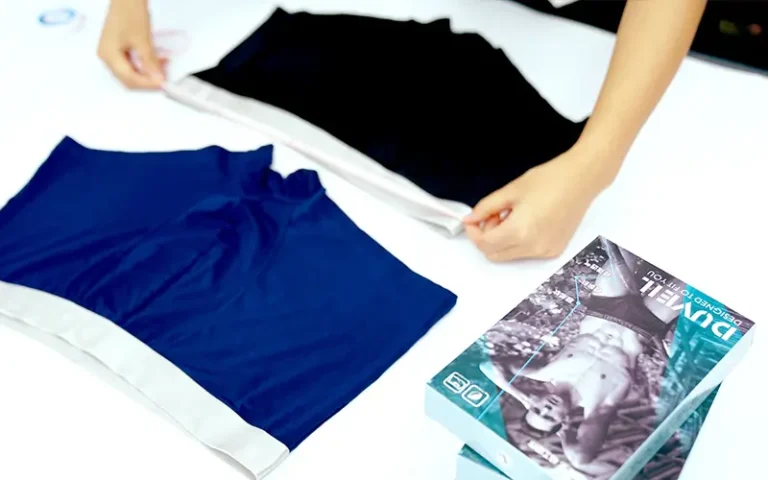
How do I read an underwear quotation line by line?
How to read an underwear quotation line by line: fabric, elastic and trims, labour, packaging, testing, overheads and…
Read more →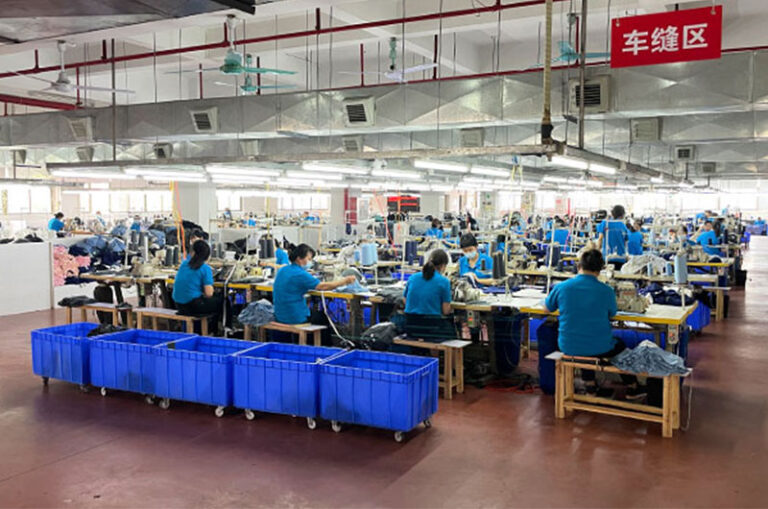
How do peak seasons affect apparel factory capacity?
How peak seasons and holidays affect apparel factory capacity and lead times, why fabric and shipping are also…
Read more →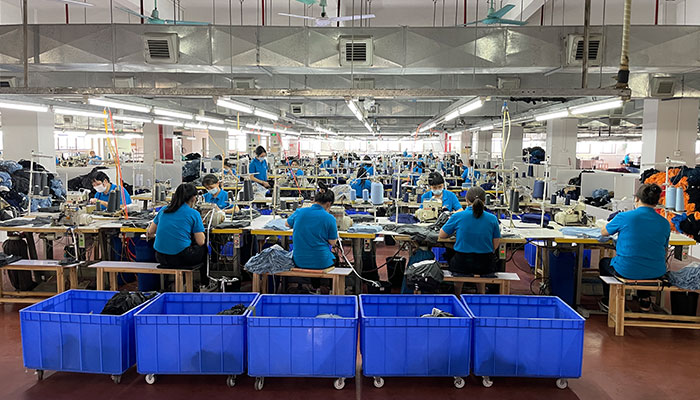
Should I split one style across two factories?
Whether to split one apparel style across two factories: the benefits for capacity and risk, the risks for…
Read more →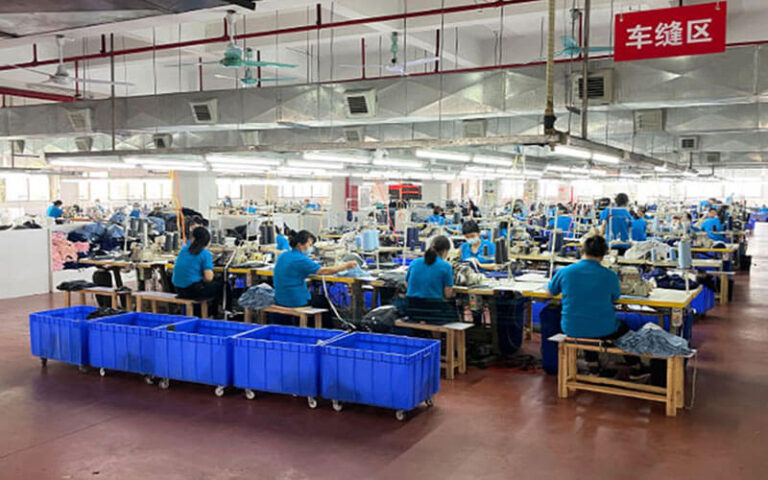
What are the biggest risks on a small brand’s first order?
The biggest risks on a small brand's first apparel order, from unclear specifications and sample approval to payment,…
Read more →
What changes should a factory notify before production?
Which changes a factory should notify the buyer about before production, such as fabric, dye, trims, subcontracting or…
Read more →Request a sample & pricing information
Send us your tech pack, target price or a reference sample — we reply with a quotation, a realistic lead time and a fabric recommendation within one working day.
- Free sampling plan & cost breakdown
- MOQ from 300 pcs per style
- Reply within 1 working day