
Which printing methods suit all-over printed underwear?
Which printing methods suit all-over printed underwear: rotary screen, digital pigment and reactive, sublimation and transfers, and how fibre, stretch, colour and order size decide the…
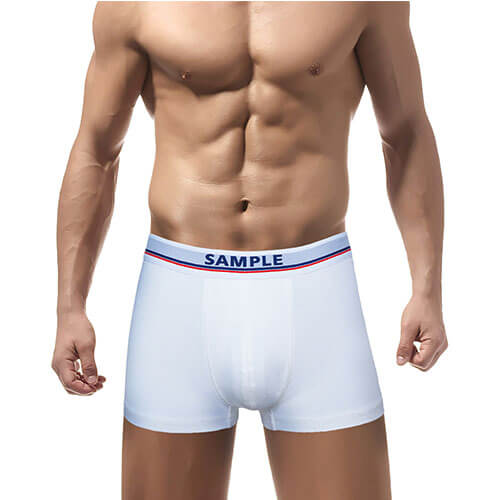
Part of Waistbands, Labels, Printing & Packaging in Finetex Talk — buyer questions answered by the Finetex editorial team.
A brand wants all-over printed boxer briefs in cotton-elastane for one style and polyester for a sports style. The factory mentions screen, digital and sublimation printing and asks which the brand prefers.
Short answer: The fabric decides most of the answer. Sublimation uses disperse dyes that only bond well to polyester, so it suits polyester or high-polyester sports fabric and gives bright colour with a soft hand, but it does not work properly on cotton. For cotton and cotton blends, all-over prints are usually made by rotary screen printing or digital printing with reactive or pigment inks on fabric before cutting. Rotary screen suits larger quantities and repeated designs; digital suits smaller runs and many colours with lower setup. Pigment printing is simpler but can feel stiffer and rub off more; reactive printing feels softer but needs steaming and washing. Ask which process the mill uses, then test colour fastness to washing and rubbing on the stretched fabric.
Main methods
- Sublimation: polyester only, bright, soft, low setup, good for sports styles.
- Digital reactive: cotton, viscose and modal, soft hand, good detail, needs steaming and washing.
- Digital pigment: many fibres, simpler process, can feel stiffer and rub off more.
- Rotary screen: high volume, consistent repeats, setup cost per colour.
- Transfers on cut panels: placement prints, not usually for all-over designs.
Elastane and stretch
Elastane content and stretch affect how a print looks on the body. Prints can open up and show a lighter ground when stretched, especially on lighter colours. Ask to see printed fabric stretched to wear extension.
Testing
- Colour fastness to washing with ISO 105-C06.
- Colour fastness to rubbing with ISO 105-X12, dry and wet.
- Wash and dry according to the care label, for example an ISO 6330 procedure, then compare appearance.
- If you use OEKO-TEX or similar certification, ask whether the printing inks and process are covered.
Order size and cost
Digital printing usually has lower minimums and higher unit costs; rotary screen has setup costs but is cheaper per metre at volume. Ask the mill for the break-even quantity.
Practical points
- Design repeats that hide seams well.
- Agree colour standards on the actual fabric.
- Check print alignment on cut panels.
A worked example
For the brand in the question, the cotton-elastane style would usually go to digital reactive or rotary screen printing depending on quantity and number of designs, while the polyester sports style suits sublimation. Asking the same factory to use one process for both would compromise one of them. Planning two processes also means two sets of strike-offs and two colour approvals, so build that time into the development calendar and agree colour standards for each fabric separately, since the same artwork will not match exactly across processes.
Limits
Results depend on the fabric, ink and mill. Approve strike-offs on the bulk fabric.
Facts, recommendations and uncertainty
Established: sublimation needs polyester, while cotton blends use reactive, pigment or rotary screen printing. Recommendation: choose by fibre and quantity and test fastness on stretched fabric. Uncertain: performance of a specific ink and fabric until tested.
Sources and further reading
- ISO 6330:2021 — Domestic washing and drying procedures for textile testing
- ISO 105-C06:2010 — Colour fastness to domestic and commercial laundering
- ISO 105-X12:2016 — Colour fastness to rubbing
- OEKO-TEX® STANDARD 100
Standards and regulations are referenced by their published scope. Test parameters, cycles and pass levels should be agreed with your laboratory for the specific product; legal requirements should be confirmed for each destination market.
Three more perspectives
Ask the factory which printing process and mill will be used, the minimum order per design and the setup cost. Request strike-offs on the bulk fabric before approving. Put colour fastness and rubbing test results in the purchase specification. Ask whether printing is done in-house or outsourced, because that affects lead time and control. Ask for strike-off lead times for each process, since they can add a week or more to the sampling schedule.
In product development, choose the method by fibre: sublimation for polyester, reactive or pigment digital for cotton and modal blends. Check the design at wear stretch, because white ground can show. Adjust the repeat so it lines up at key seams. Approve strike-offs for colour and hand feel, and record the approved process. Expect slight colour differences between processes and fabrics, and approve each colourway on its own fabric rather than against a paper print.
In quality control, compare bulk printed fabric with the approved strike-off for colour, registration and hand feel. Check rub fastness on sampled pieces and wash a few pieces per lot. Inspect for print faults such as streaks, missing colour and misalignment at seams. Keep the approved strike-off as the standard for each colourway. For each lot, check that the fabric came from the approved print mill and process, because a switch can change colour and hand feel.
Related products
Related articles
- Screen Printing at Production Scale: Setting Up Colour, Mesh and Placement for Cost Control
- DTG vs Screen Printing for Your Brand: Decide by Order Size, Not Hype
- What is flock printing on fabric and how does it enhance textiles: A Production-Side Explanation
- Custom Logo T-Shirts: Choosing a Printing Method for Small Batches
← More in Waistbands, Labels, Printing & Packaging · All Talk topics · Ask us about your programme
More factory-floor notes for brand owners
Why did my reorder price go up?
Why an apparel reorder price can go up: fabric and trim costs, smaller quantities, specification changes, labour and…
Read more →
How do I read an underwear quotation line by line?
How to read an underwear quotation line by line: fabric, elastic and trims, labour, packaging, testing, overheads and…
Read more →
How do peak seasons affect apparel factory capacity?
How peak seasons and holidays affect apparel factory capacity and lead times, why fabric and shipping are also…
Read more →
Should I split one style across two factories?
Whether to split one apparel style across two factories: the benefits for capacity and risk, the risks for…
Read more →
What are the biggest risks on a small brand’s first order?
The biggest risks on a small brand's first apparel order, from unclear specifications and sample approval to payment,…
Read more →
What changes should a factory notify before production?
Which changes a factory should notify the buyer about before production, such as fabric, dye, trims, subcontracting or…
Read more →Request a sample & pricing information
Send us your tech pack, target price or a reference sample — we reply with a quotation, a realistic lead time and a fabric recommendation within one working day.
- Free sampling plan & cost breakdown
- MOQ from 300 pcs per style
- Reply within 1 working day