
What branding details should I prepare for private label underwear?
A branding checklist for private label underwear: logo files, waistband, labels, packaging, barcodes, colour standards and approvals, so a factory can quote and sample without delays.
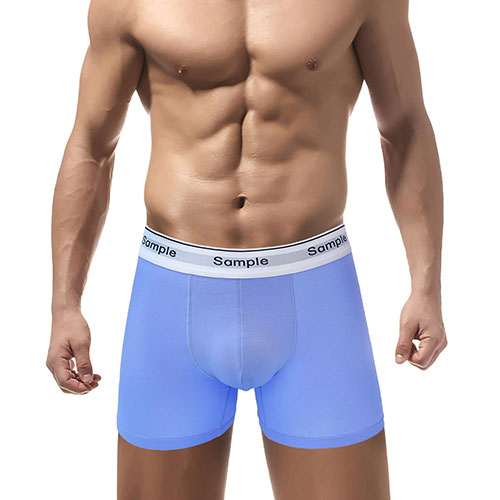
Part of Waistbands, Labels, Printing & Packaging in Finetex Talk — buyer questions answered by the Finetex editorial team.
A new brand is about to place its first private label underwear order. The factory asks for "all branding files" and the founder is unsure what that includes. The team wants a checklist so sampling is not delayed by missing details.
Short answer: Private label branding covers everything that carries your name or required information: the logo and its colours, the waistband, sewn or printed labels, hang tags or inserts, packaging, barcodes and the carton marks. Delays usually come from missing vector files, colours given only as screen colours, label text that has not been checked against the rules for each market, and barcodes that are not ready. Prepare vector logo files, colour references from a physical colour system, waistband artwork with repeat size, approved label text for each market, packaging artwork, one GTIN per size and colour, and carton mark instructions. Send them together with the tech pack, and approve physical samples of each item before bulk.
Logo and colour
- Vector logo files, such as AI, EPS or PDF with outlined text.
- Colour references from a physical system the factory uses, plus a physical standard if colour is critical.
- Minimum size and clear-space rules.
Waistband
- Logo artwork at the repeat length the elastic supplier uses.
- Elastic width, colour and construction, such as jacquard or printed.
- Placement relative to centre back.
Labels
- Size, fibre composition, care, country of origin and company identity for each market.
- In the US, fibre, origin and identity rules are in 16 CFR Part 303 and care rules in 16 CFR Part 423.
- In the EU, fibre composition under Regulation 1007/2011, in the required languages.
- Label type: woven, printed or tagless, and placement.
Packaging and tags
- Box, sleeve or bag artwork with dieline.
- Hang tag or insert card artwork, if used.
- Any warnings required by sales channels.
Barcodes
GS1 guidance is that each size and colour combination needs its own GTIN. Prepare a barcode list matched to style, colour and size before packaging artwork is finalised.
Cartons
- Carton marks: brand, style, colour, size breakdown, quantity, carton number.
- Any retailer or warehouse label requirements.
Approvals
- Approve waistband, labels, packaging and barcodes on physical samples.
- Keep an approved artwork master with version numbers.
A practical order of work
Start with the logo and colour standards, because waistband and packaging suppliers need them first and have the longest lead times. Then finalise label text once fabric composition is confirmed, prepare the barcode list once sizes and colours are fixed, and finish packaging artwork last. Sending everything in one organised folder with clear file names saves several rounds of questions.
Limits
Requirements differ by market and retailer. Check current rules and buyer manuals.
Facts, recommendations and uncertainty
Established: private label branding includes logo, waistband, labels, packaging, barcodes and carton marks, and labels must follow market rules. Recommendation: send a complete, versioned branding pack and approve physical samples. Uncertain: retailer-specific requirements.
Sources and further reading
- eCFR — 16 CFR Part 303, Rules under the Textile Fiber Products Identification Act (§303.43 tolerances, §303.3 fibres under 5%)
- eCFR — 16 CFR Part 423, Care Labeling of Textile Wearing Apparel
- Regulation (EU) No 1007/2011 — Textile fibre names and labelling
- GS1 — How many GTINs for a product with many sizes and colours
Standards and regulations are referenced by their published scope. Test parameters, cycles and pass levels should be agreed with your laboratory for the specific product; legal requirements should be confirmed for each destination market.
Three more perspectives
Ask the factory for its own checklist of required files and lead times for each branded item, since waistband elastic and printed boxes often take longest. Confirm minimum order quantities for custom elastic, labels and packaging, because they can exceed the garment quantity of a first order. Put artwork versions and approval dates in the purchase order so there is no doubt about which file is final. Ask who owns digital artwork, dies and printing plates made for your brand, so you can move them if you change supplier.
In product development, build the branding pack alongside the tech pack, not after it. Check that label text matches final fabric composition and care testing. Approve waistband strike-offs for colour and logo clarity at the actual elastic width. Keep a version log for every artwork file, and send changes as new versions rather than edits to an old file. Check the logo at the smallest size it will appear, such as a tagless label, because fine details often disappear when printed small on knit fabric.
In quality control, check every branded item against the approved physical samples: waistband logo position and colour, label text, packaging print and barcode readability. Scan barcodes on sampled units and match them to size and colour. Check carton marks against the packing list. Keep the approved branding set with the sealed sample for each style. Confirm that inner labels, packaging and carton marks all use the same style number and colour name, since mismatches cause most receiving errors at warehouses.
Related products
Related articles
- Private Label Men's Underwear: What Changes When the Design Is Already Made
- Private Label Men's T-Shirts: The Six Branding Assets You Have to Supply
- Private Label Undershirts: Pack Architecture and the Branding Layers That Pay
- Private Label Boxer Briefs: The Branding Stack and What It Costs to Add
- White Label vs Private Label Underwear: What Each Model Really Means
- How to Price a Private Label Underwear Line: A Margin Framework for Sellers
- Private Label Underwear: A Six-Step Launch for E-Commerce Brands
- How to Start a Private Label T-Shirt Brand: Choosing Between POD and Manufactured Stock
- Private Label Menswear Production: Sequencing a Range Without Overcommitting Stock
- Wholesale Men's Undershirts: Blank Supply, Private Label and the Terms That Decide Both
← More in Waistbands, Labels, Printing & Packaging · All Talk topics · Ask us about your programme
More factory-floor notes for brand owners
Why did my reorder price go up?
Why an apparel reorder price can go up: fabric and trim costs, smaller quantities, specification changes, labour and…
Read more →
How do I read an underwear quotation line by line?
How to read an underwear quotation line by line: fabric, elastic and trims, labour, packaging, testing, overheads and…
Read more →
How do peak seasons affect apparel factory capacity?
How peak seasons and holidays affect apparel factory capacity and lead times, why fabric and shipping are also…
Read more →
Should I split one style across two factories?
Whether to split one apparel style across two factories: the benefits for capacity and risk, the risks for…
Read more →
What are the biggest risks on a small brand’s first order?
The biggest risks on a small brand's first apparel order, from unclear specifications and sample approval to payment,…
Read more →
What changes should a factory notify before production?
Which changes a factory should notify the buyer about before production, such as fabric, dye, trims, subcontracting or…
Read more →Request a sample & pricing information
Send us your tech pack, target price or a reference sample — we reply with a quotation, a realistic lead time and a fabric recommendation within one working day.
- Free sampling plan & cost breakdown
- MOQ from 300 pcs per style
- Reply within 1 working day