
What is the difference between proto, fit and PP samples?
The difference between proto, fit and pre-production (PP) samples: what each stage checks, which materials are used, what the buyer should approve at each step, and…
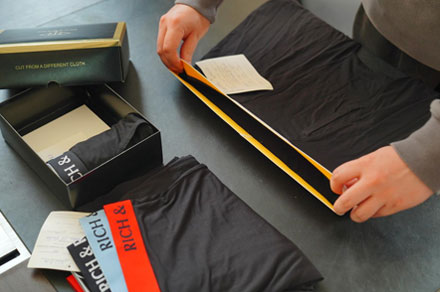
Part of Sampling, Orders, Quality & Shipping in Finetex Talk — buyer questions answered by the Finetex editorial team.
A brand developing its first boxer brief is offered a proto sample, then a fit sample, then a PP sample, and wonders whether all three are necessary or whether the factory is adding cost and time.
Short answer: Sample names vary between factories, but the stages usually have different purposes. A proto sample is the first interpretation of the design. It checks that the style, construction and proportions are understood, and it may be made in similar rather than final fabric. A fit sample is made to the base size measurements and checked on a body. It is used to correct pattern issues such as rise, leg opening, pouch shape and waistband tension, and there may be more than one fit round. Body measurement definitions such as those in ISO 8559-1 help both sides describe where a change is needed. A pre-production, or PP, sample is made after fit is approved, using the bulk fabric, elastic, trims, labels and packaging, ideally by the production line. It confirms that everything is correct before cutting, and it becomes the reference for bulk. Bulk inspection, often using sampling plans from ISO 2859-1 with an AQL agreed in the contract, then compares production against that approved PP sample and the specification. Skipping stages can work for simple repeat styles, but for a new style, combining proto and fit is more common than skipping the PP sample, which protects bulk.
Proto sample
- First interpretation of the design.
- May use similar fabric.
- Checks style and construction.
Fit sample
- Base size, close to final fabric.
- Checked on a body.
- Corrects pattern and proportions.
PP sample
- Bulk fabric, trims and labels.
- Made like production.
- Reference for bulk and inspection.
A worked example
As an illustration, a brand adapting an existing boxer brief block could combine proto and fit into one round, then approve a PP sample with bulk fabric, labels and packaging before cutting starts.
Size sets
Some brands also request a size set, one piece in each size, to check grading before bulk. This is useful when the range includes very small or large sizes.
Top-of-production samples
Some buyers also ask for top-of-production, or TOP, samples taken from the first pieces off the line. They show whether the line is reproducing the PP sample before most of the order is sewn, and they give an early chance to correct problems while quantities are still small.
Limits
Factories use different names for stages. Agree in writing what each sample stage includes and which materials will be used.
Facts, recommendations and uncertainty
Established: proto checks the idea, fit checks the pattern on a body, and PP confirms bulk materials and making. Recommendation: do not skip the PP sample for a new style. Uncertain: how many fit rounds a particular style will need.
Sources and further reading
- ISO 8559-1:2017 — Size designation of clothes: anthropometric definitions for body measurement
- ISO 2859-1:2026 — Sampling procedures for inspection by attributes (AQL)
Standards and regulations are referenced by their published scope. Test parameters, cycles and pass levels should be agreed with your laboratory for the specific product; legal requirements should be confirmed for each destination market.
Three more perspectives
Ask the factory to list its sample stages, what each costs and how long each takes, so you can plan the launch date. Confirm which stage uses bulk fabric. Agree how many pieces are sent at each stage, since fit sessions may need more than one. Check whether sample costs are credited against the bulk order.
Use the proto stage to settle design questions, so later stages focus on fit and materials. Review fit samples on more than one body if possible. Record every pattern change with its reason. At PP stage, check the full product as the customer will receive it, including packaging and labels. Use the size set, if ordered, to check that changes made on the base size are carried correctly into the smallest and largest sizes.
Seal the approved PP sample and keep one at the brand and one at the factory, so bulk inspection uses the same reference. Check that the PP sample is made with bulk fabric lots and trims. Use the PP comments list as the checklist for the first inline inspection. Note any approvals given with conditions. Compare the first production pieces with the PP sample before the line reaches full output, so that differences found at that stage can still be corrected before most of the order is sewn.
Related products
← More in Sampling, Orders, Quality & Shipping · All Talk topics · Ask us about your programme
More factory-floor notes for brand owners
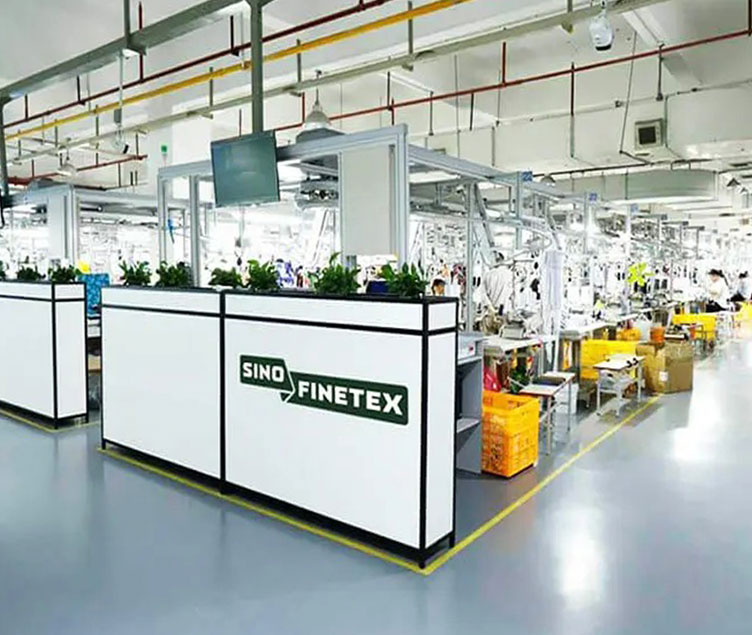
Why did my reorder price go up?
Why an apparel reorder price can go up: fabric and trim costs, smaller quantities, specification changes, labour and…
Read more →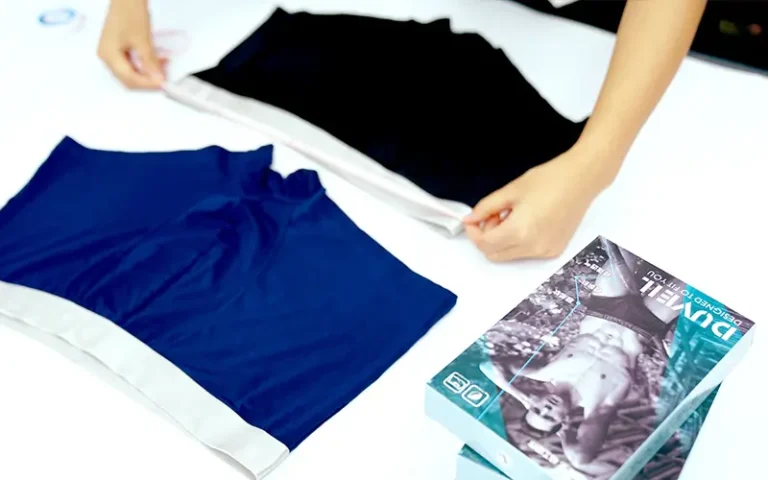
How do I read an underwear quotation line by line?
How to read an underwear quotation line by line: fabric, elastic and trims, labour, packaging, testing, overheads and…
Read more →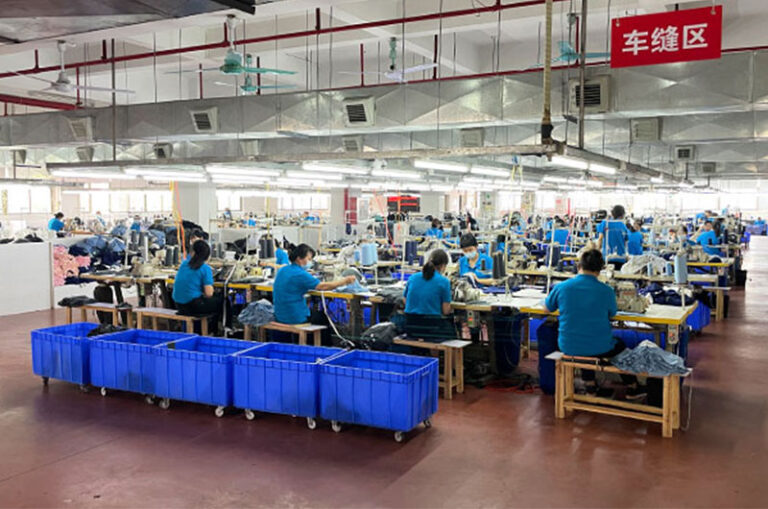
How do peak seasons affect apparel factory capacity?
How peak seasons and holidays affect apparel factory capacity and lead times, why fabric and shipping are also…
Read more →
Should I split one style across two factories?
Whether to split one apparel style across two factories: the benefits for capacity and risk, the risks for…
Read more →
What are the biggest risks on a small brand’s first order?
The biggest risks on a small brand's first apparel order, from unclear specifications and sample approval to payment,…
Read more →
What changes should a factory notify before production?
Which changes a factory should notify the buyer about before production, such as fabric, dye, trims, subcontracting or…
Read more →Request a sample & pricing information
Send us your tech pack, target price or a reference sample — we reply with a quotation, a realistic lead time and a fabric recommendation within one working day.
- Free sampling plan & cost breakdown
- MOQ from 300 pcs per style
- Reply within 1 working day