
How should I plan reorders for core colours?
How to plan reorders for core colours such as black, white and navy in underwear and basics: sales-based reorder points, fabric and dye lead times, shade…
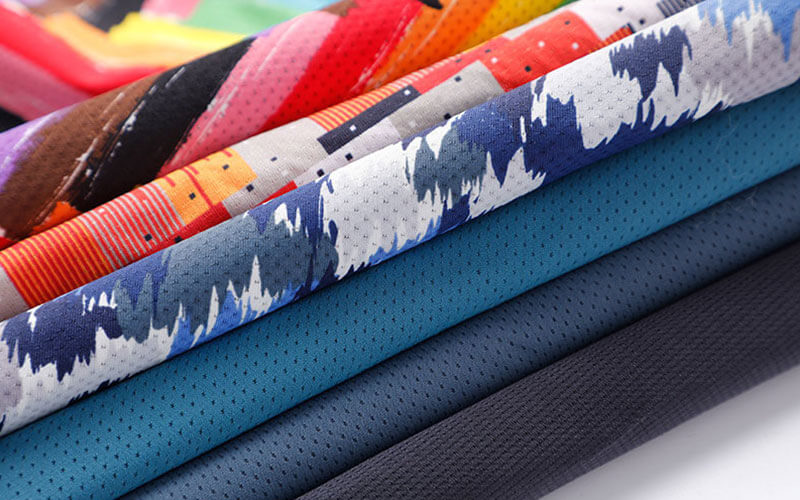
Part of Sampling, Orders, Quality & Shipping in Finetex Talk — buyer questions answered by the Finetex editorial team.
A brand selling boxer briefs in black, navy and grey keeps running out of black in the middle sizes, while grey sits in stock. Each reorder takes longer than expected because fabric has to be dyed again, and shades vary slightly between orders.
Short answer: Core colours sell steadily, so they can be planned more precisely than fashion colours. Start with sales by colour and size, not by style total, and set a reorder point for each colour that covers the full reorder lead time plus a safety margin. The lead time for basics is often driven by fabric: yarn, knitting, dyeing and finishing must happen before cutting, and each new dye lot needs shade approval. Ask the factory to break the lead time into fabric and garment stages, so you know which stage to plan around. To shorten reorders, some brands agree with the factory to hold a quantity of greige fabric or finished fabric in core colours, with clear rules on who owns it and for how long. Shade continuity matters for core colours, because customers often buy the same item again and notice differences. Keep an approved shade standard and compare each new lot against it under agreed lighting; ASTM D1729 describes visual colour appraisal under defined illuminants, and ISO 105-J03 covers instrumental colour difference calculation if you use a spectrophotometer. Grey scale ratings under ISO 105-A02 are another common way to express change. Agree a tolerance for shade differences and keep reference swatches from each approved lot. Finally, review the size ratio for each colour: black may sell more middle sizes than grey, so reorders should follow actual colour and size sales rather than one ratio for all colours.
Reorder planning basics
- Sales by colour and size.
- Reorder point per colour.
- Lead time split into fabric and garment stages.
Shade continuity
- Approved shade standard.
- Agreed lighting and method.
- Tolerance and reference swatches per lot.
A worked example
As an illustration, a brand could review black, navy and grey sales monthly, place a reorder for black when stock covers less than the full lead time plus a safety period, and approve the new dye lot against the saved standard before cutting.
Fabric stock arrangements
If the factory holds fabric for your core colours, agree quantity, ownership, storage time and what happens to unused fabric.
Planning by size
Core colours often have different size curves. Check sell-through by size for each colour every month, and adjust the reorder ratio so slow sizes do not tie up cash while fast sizes run out.
Limits
Sales forecasts can be wrong, and dye lots can still vary within the agreed tolerance. Review plans regularly and keep tolerances realistic.
Facts, recommendations and uncertainty
Established: ASTM D1729 covers visual colour appraisal and ISO 105-J03 covers instrumental colour difference calculation. Recommendation: plan reorders by colour and size and approve each new dye lot against a saved standard. Uncertain: future sales and dye lot variation within tolerance.
Sources and further reading
- ASTM D1729-22 — Visual appraisal of colors and color differences of diffusely-illuminated opaque materials
- ISO 105-J03:2009 — Calculation of colour differences
- ISO 105-A02:1993 — Grey scale for assessing change in colour
Standards and regulations are referenced by their published scope. Test parameters, cycles and pass levels should be agreed with your laboratory for the specific product; legal requirements should be confirmed for each destination market.
Three more perspectives
Ask the factory for lead times by stage, from yarn to finished garments, and update them each order. Agree in writing any fabric stock arrangement, including ownership and how long fabric can be held. Place reorders for core colours on a regular calendar, not only when stock is low. Review fabric stock arrangements every season so unused fabric does not build up.
Keep core colours consistent across styles, using the same fabric quality and shade standard, so stock can be planned together. Avoid small changes to core colours, which make shade matching harder. Review the size ratio for each colour against actual sales. Where colours are dyed in different lots, approve each lot against the same saved standard rather than against the previous lot, to avoid gradual drift. Keep core colours out of frequent design updates.
Keep shade standards and reference swatches from each approved lot, stored away from light. Compare new lots under the agreed light source and record results. Check shade consistency between cartons at inspection. Report shade differences with photos taken under consistent lighting. Label each reference swatch with the lot number and approval date, and replace standards that have faded. Check new lots against the original standard, not only the last lot.
Related products
← More in Sampling, Orders, Quality & Shipping · All Talk topics · Ask us about your programme
More factory-floor notes for brand owners

Why did my reorder price go up?
Why an apparel reorder price can go up: fabric and trim costs, smaller quantities, specification changes, labour and…
Read more →
How do I read an underwear quotation line by line?
How to read an underwear quotation line by line: fabric, elastic and trims, labour, packaging, testing, overheads and…
Read more →
How do peak seasons affect apparel factory capacity?
How peak seasons and holidays affect apparel factory capacity and lead times, why fabric and shipping are also…
Read more →
Should I split one style across two factories?
Whether to split one apparel style across two factories: the benefits for capacity and risk, the risks for…
Read more →
What are the biggest risks on a small brand’s first order?
The biggest risks on a small brand's first apparel order, from unclear specifications and sample approval to payment,…
Read more →
What changes should a factory notify before production?
Which changes a factory should notify the buyer about before production, such as fabric, dye, trims, subcontracting or…
Read more →Request a sample & pricing information
Send us your tech pack, target price or a reference sample — we reply with a quotation, a realistic lead time and a fabric recommendation within one working day.
- Free sampling plan & cost breakdown
- MOQ from 300 pcs per style
- Reply within 1 working day