
What carton specs prevent shipping damage?
What to specify for apparel export cartons to reduce shipping damage: board grade, size and weight limits, packing method, carton marks and labels, receiving warehouse rules,…

Part of Sampling, Orders, Quality & Shipping in Finetex Talk — buyer questions answered by the Finetex editorial team.
A brand's last shipment of hoodies arrived with crushed cartons on the bottom of each pallet and some wet corners. The goods inside were mostly fine, but the warehouse refused several cartons, and the brand wants a carton specification for the next order.
Short answer: Carton damage usually comes from a mismatch between the carton, its contents and the way it is handled, so a carton specification should cover all three. Start with the receiving rules, because they set hard limits. Amazon's FBA shipping guide, for example, says boxes containing multiple standard-size units must not exceed 25 inches on any side, boxes must not exceed a standard weight limit of 50 lb except for a single oversize unit, and it lists regular slotted cartons, B flute, ECT-32 and 200 lb per square inch burst strength as acceptable standard boxes. Other warehouses and retailers have their own rules, so ask for them before packing starts. Then match the board to the load: heavy garments such as fleece hoodies need stronger board than light underwear packs, and cartons that will be stacked on pallets in a container need to resist compression and humidity. Fill cartons fully without bulging; underfilled cartons collapse and overfilled ones burst. Specify the packing method, such as polybag, pieces per pack and packs per carton, so weights are consistent. Carton marks and labels should carry the purchase order, style, colour, size breakdown, quantity, carton number and weights, with barcodes where required; GS1 guidance is that each size and colour variant needs its own GTIN. For high-value or e-commerce shipments, ISTA publishes transport test procedures, including general simulation tests, that can be used to check a carton design before bulk.
What a carton specification covers
- Internal dimensions and maximum gross weight.
- Board type and grade.
- Packing method and pieces per carton.
- Carton marks, labels and barcodes.
Common causes of damage
- Board too weak for stacking load.
- Underfilled or overfilled cartons.
- Damp during storage or transit.
- Cartons too heavy for manual handling.
A worked example
As an illustration, a brand could set one carton size for hoodies and one for underwear packs, each with a maximum gross weight below its warehouse limit, and ask the factory to photograph a filled, sealed carton of each for approval.
Checking before shipment
Ask the inspector to check carton dimensions, weights and marks against the packing list and to drop-test a sample carton where agreed. Wet or damaged cartons should be replaced before loading.
Limits
A carton specification reduces risk but cannot prevent rough handling or container leaks. Insurance and carrier claims are separate matters.
Facts, recommendations and uncertainty
Established: receiving warehouses such as Amazon set carton size, weight and board requirements, and ISTA publishes transport test procedures. Recommendation: write a carton specification per product group and check it at inspection. Uncertain: handling conditions in each shipment.
Sources and further reading
- Amazon — Packaging and Shipping Inventory to Amazon (FBA prep guide)
- ISTA — Test procedures for packaged-products
- GS1 — How many GTINs for a product with many sizes and colours
Standards and regulations are referenced by their published scope. Test parameters, cycles and pass levels should be agreed with your laboratory for the specific product; legal requirements should be confirmed for each destination market.
Three more perspectives
Collect the carton rules of every receiving warehouse and marketplace before the order is confirmed, and include them in the purchase order. Agree who pays for replacing cartons found damaged before loading. Ask your forwarder about stacking and container loading practices for your route. Ask which carton supplier the factory uses and whether board grade can be shown on the carton or a supplier certificate. Agree a replacement plan for cartons damaged in the factory warehouse.
Choose packing formats, such as polybag size and fold, that fit the carton efficiently without crushing the product. Check whether folding heavy hoodies differently reduces carton size or weight. Make sure packaging artwork and barcodes are approved before packing starts. Review returns or damage reports to see which cartons failed and why. Where possible, keep one carton size per product group so pallet patterns stay stable.
Check a sample of filled cartons for weight, dimensions, seal quality and marks before loading. Photograph cartons and pallets at loading. Watch for damp storage areas and wet floors. Record carton damage found at receiving with photos and carton numbers, so the cause can be traced to packing, storage or transport. Check that carton marks are on at least two sides and that labels are not placed over seams.
Related products
← More in Sampling, Orders, Quality & Shipping · All Talk topics · Ask us about your programme
More factory-floor notes for brand owners

Why did my reorder price go up?
Why an apparel reorder price can go up: fabric and trim costs, smaller quantities, specification changes, labour and…
Read more →
How do I read an underwear quotation line by line?
How to read an underwear quotation line by line: fabric, elastic and trims, labour, packaging, testing, overheads and…
Read more →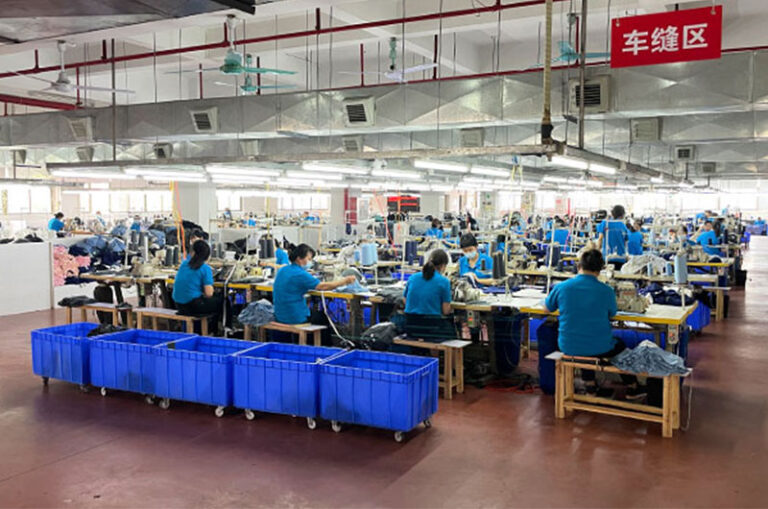
How do peak seasons affect apparel factory capacity?
How peak seasons and holidays affect apparel factory capacity and lead times, why fabric and shipping are also…
Read more →
Should I split one style across two factories?
Whether to split one apparel style across two factories: the benefits for capacity and risk, the risks for…
Read more →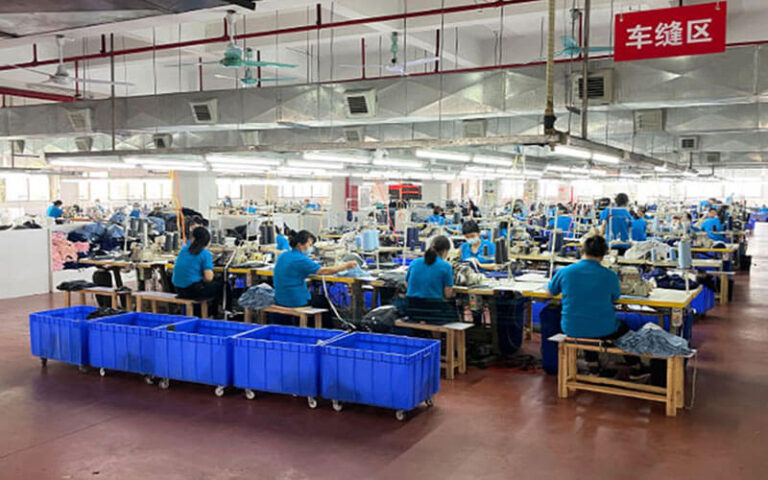
What are the biggest risks on a small brand’s first order?
The biggest risks on a small brand's first apparel order, from unclear specifications and sample approval to payment,…
Read more →
What changes should a factory notify before production?
Which changes a factory should notify the buyer about before production, such as fabric, dye, trims, subcontracting or…
Read more →Request a sample & pricing information
Send us your tech pack, target price or a reference sample — we reply with a quotation, a realistic lead time and a fabric recommendation within one working day.
- Free sampling plan & cost breakdown
- MOQ from 300 pcs per style
- Reply within 1 working day