
Selling Underwear in Germany: Textilkennzeichnung, LUCID and Packaging Law
German textile labelling, LUCID registration and packaging law for underwear brands after the PPWR and VerpackDG took effect on 12 August 2026.
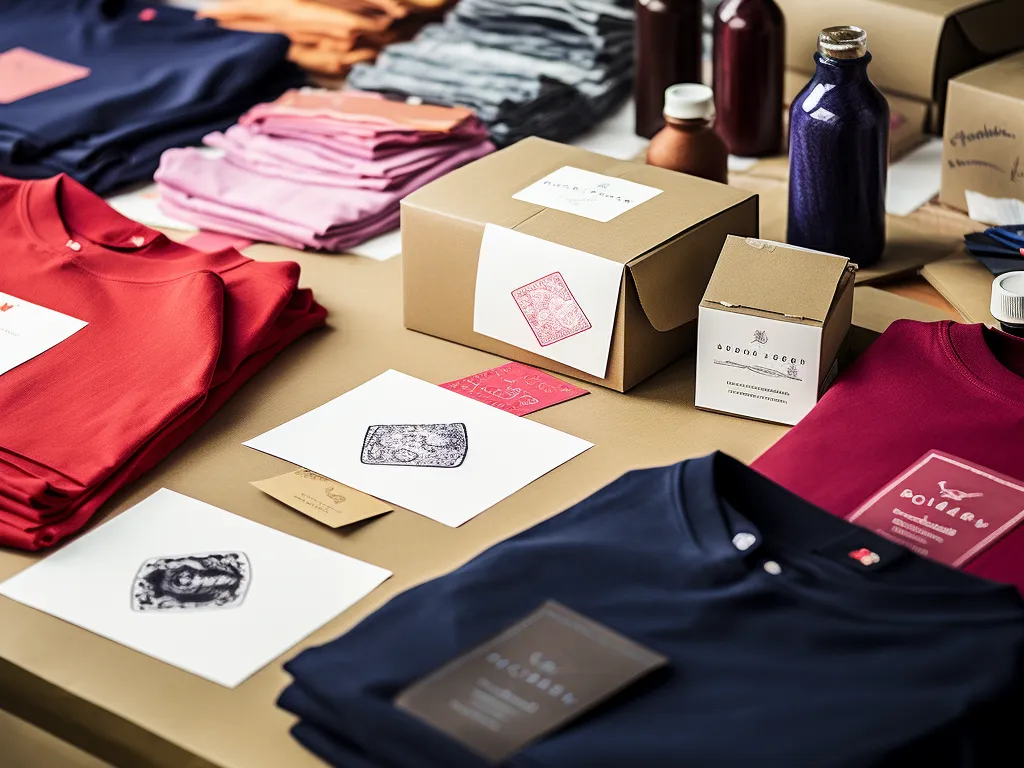
Answer first: To sell underwear in Germany you need to get three things right. Labels: under the Textilkennzeichnungsgesetz (TextilKennzG), which supplements the EU Textile Labelling Regulation (EU) No 1007/2011, textile products may only be made available on the German market if their fibre composition is labelled in German; other languages may be added, and the same applies to products offered online. Packaging registration: anyone who is the producer of packaging in Germany must register in the LUCID Packaging Register before first placing packaging on the market. System participation: packaging that ends up with private consumers, including e-commerce shipping packaging, must be paid into a collection and recycling system (often called a dual system). Since 12 August 2026, the EU Packaging and Packaging Waste Regulation (PPWR, Regulation (EU) 2025/40) and the German Packaging Law Implementation Act (VerpackDG) have replaced the old Verpackungsgesetz. The basic duties remain, but who must fulfil them has changed, and foreign companies selling directly to German end users without a German branch must now appoint an authorised representative. A Chinese factory can prepare German labels and supply packaging data; it cannot register in LUCID for you.
This summary is based on German federal law texts and the official LUCID Packaging Register (Zentrale Stelle Verpackungsregister, ZSVR) pages read on 16 November 2026. It is general information, not legal advice. Confirm your obligations with a German compliance or legal adviser, and use a licensed customs broker for import clearance.
German textile labelling (Textilkennzeichnung)
What the law requires
The TextilKennzG of 15 February 2016 implements and supplements Regulation (EU) No 1007/2011 on textile fibre names and fibre composition labelling. Its key provisions, from the official text:
- German language. Section 4(1) allows textile products to be made available only if they are labelled or marked in German with their fibre composition, in line with the listed articles of the EU regulation.
- Online sales too. Section 4(5) applies the same requirements to textile products offered for sale electronically.
- Other languages allowed. Section 4(7) permits the labelling to appear additionally in other languages.
- Who is responsible. Manufacturers or importers must apply the label when placing the product on the market and ensure the information is correct, so that the actual fibre composition matches the label (section 4(3)); distributors must ensure the labelling is present (section 4(4)).
- Records. Manufacturers and importers must keep the documents on which the fibre labelling is based for two calendar years after the end of the year in which the last product concerned was placed on the market (section 5).
- Enforcement. Market surveillance authorities designated under state law check that labels are present and correct and that the actual fibre composition matches the label (sections 6 and 7); customs authorities are responsible for controls at the external borders. Breaches can be fined up to EUR 10,000 (section 12).
What this means for an underwear label
| Element | Requirement or practice | Basis |
|---|---|---|
| Fibre composition | Mandatory, using EU fibre names, in German | TextilKennzG s.4; Reg. 1007/2011 |
| Additional languages | Allowed alongside German | TextilKennzG s.4(7) |
| Online listing | Composition must be available before purchase | TextilKennzG s.4(5) |
| Care instructions | Not set by the Textile Labelling Regulation; widely used and recommended | See note below |
| Size | Commercial practice, not set by the textile labelling law | — |
| Manufacturer and importer details | Product safety rules require traceability information | See our GPSR article |
Example of German composition wording: “95 % Baumwolle, 5 % Elasthan”. Use the fibre names in the EU regulation and check accuracy against a test of the finished fabric. Our article on EU underwear compliance for online sellers covers the checks that most often catch underwear listings out.
Care labels. The Textile Labelling Regulation covers fibre composition; care labelling is not set by it. The European Commission’s Joint Research Centre noted in December 2025 that the Commission is considering harmonised, partly mandatory care labelling as part of the revision of the Textile Labelling Regulation. In practice, German retailers expect care symbols; our page on custom clothing labels explains the label formats available.
Product safety information. The EU General Product Safety Regulation requires manufacturer and, for imports, importer or responsible person details; see our article on EU GPSR for apparel.
LUCID registration
What changed on 12 August 2026
The ZSVR’s page on what changed on 12 August 2026 states that the PPWR and the VerpackDG replaced the German Verpackungsgesetz on that date. The basic obligations for packaging subject to system participation (registration, system participation and data reporting) remain; what changes is who must fulfil them and under what conditions. The EU side is summarised on the Commission’s packaging waste page, which notes that the previous Packaging Directive was generally repealed on 12 August 2026.
Manufacturer and producer
The PPWR distinguishes two roles, as the ZSVR explains on its page on distinguishing manufacturers and producers:
- The manufacturer is responsible for packaging conformity, through technical documentation and a declaration of conformity. A company that has packaging or packaged products designed or manufactured under its own name or brand is the manufacturer, even if a contract packer or factory makes them.
- The producer bears extended producer responsibility in the Member State where the packaging becomes waste: financing recycling, registration and reporting. It is the first company in the domestic supply chain where the packaging becomes waste. If the manufacturer is based abroad, the first company in the German supply chain is the producer; a company abroad that ships packaged products directly to end users in Germany is, at a minimum, the manufacturer and producer of its shipment packaging.
For a private-label underwear brand, the brand name on the box usually makes the brand the manufacturer. If the brand imports into Germany and sells through its own channels, it is usually also the producer. There is a narrow exception for micro-enterprises buying from a supplier in the same Member State, which does not apply to packaging made in China.
Registration
Under section 6 of the VerpackDG, producers must register with the ZSVR before first making packaging available, giving company details, a responsible person, brand names, the packaging types placed on the market and, where required, their authorised representative. The ZSVR publishes registered producers. Section 5(1) allows obligations to be delegated to third parties, but not registration or data reporting.
Authorised representative for foreign sellers
From 12 August 2026, according to the ZSVR’s guidance on authorising a representative, a company based abroad without a German branch that sells packaging or packaged products directly to end users in Germany must appoint one authorised representative in Germany. The representative takes over extended producer responsibility obligations, such as system participation agreements, volume reports and declarations of completeness, except registration, which remains the company’s own duty. The appointment requires a written agreement in German with a handwritten or qualified electronic signature, and the representative must be entered in LUCID before the first sale.
Online platforms
The ZSVR’s guidance for online retailers states that online platforms must obtain and verify, before you can use their services, confirmation of your LUCID registration and a self-certification that you meet extended producer responsibility; without it, products may not be offered. If you sell on a marketplace, have your registration number ready before listing.
System participation (the “dual system”)
Packaging that typically ends up as waste with private households must be participated in a system: you sign an agreement with a system operator of your choice and pay according to material and weight. Section 7 VerpackDG requires producers to participate before making the packaging available, stating material type, weight and their LUCID registration number. Volumes are reported to both the system operator and LUCID; companies with high packaging volumes must also submit an audited declaration of completeness by 15 May each year, according to the ZSVR’s system participation page.
Underwear packaging in practice
| Packaging item | Typical status | Comment |
|---|---|---|
| Retail box or sleeve | Sales packaging, subject to system participation | Brand name on it usually makes the brand the manufacturer |
| Polybag around each pair | Sales packaging | Count its weight by material |
| Header card, hangers, stickers | Part of sales packaging | Include in material and weight data |
| E-commerce mailer, tape, filler | E-commerce packaging, treated as transport packaging | ZSVR: shipment packaging is always subject to system participation |
| Export cartons to your warehouse | Transport packaging | Status depends on where it becomes waste; check with your adviser |
Under the PPWR, e-commerce packaging is categorised as transport packaging, and the ZSVR states that packaging intended for shipment to end users is always subject to system participation. If your shipping box bears your brand, you are its manufacturer and producer even if a supplier made it.
Fewer materials and lighter packs reduce participation fees and data work. Our articles on what drives packaging cost and subscription underwear packaging discuss formats.
What a Chinese factory can and cannot do
| Task | Factory can do | Brand or importer must do |
|---|---|---|
| German fibre composition label | Produce and sew in labels to approved proof | Approve wording; ensure accuracy and keep records |
| Composition testing | Arrange tests on bulk fabric | Keep reports for two years after last sale |
| Care symbols and size labels | Produce and apply | Decide content |
| Packaging specification | Supply material types and weights per component | Use them for system participation and LUCID reports |
| Packaging conformity documents | Provide supplier information on materials | Hold technical documentation and declaration of conformity as manufacturer |
| LUCID registration | Cannot | Register personally before first sale |
| Authorised representative | Cannot act (must be in Germany) | Appoint if selling directly from abroad |
| System participation | Cannot | Sign with a system operator |
| Import clearance | Prepare export documents | Use a licensed customs broker |
Finetex’s private packaging page states that care and fibre composition labels are prepared to EU requirements, including composition and care symbols under Regulation 1007/2011 in the language of the market, with label proofs and a packing sample approved before bulk. Its underwear manufacturing page covers the product range. Ask for a packaging bill of materials listing each component, material and weight per unit; it is the data you need for your system operator and LUCID reports. The ZSVR notes that under Article 16 PPWR, suppliers of empty packaging must give the manufacturer the information and documentation needed to show conformity.
A pre-launch checklist for Germany
- Confirm composition. Test the bulk fabric and write the German composition using EU fibre names.
- Approve label proofs. Check German wording, any additional languages, care symbols and size, then sign off before bulk.
- Set up product pages. Show the composition on each online listing before purchase.
- Decide your role. Work out with your adviser whether you, a German importer or a retailer is the packaging producer, and whether you need an authorised representative.
- Register in LUCID. Register with your brand names before the first sale; registration cannot be delegated.
- Sign a system agreement. Choose a system operator and participate sales and shipping packaging by material and weight.
- Prepare marketplace evidence. Keep your LUCID registration number and self-certification ready for platforms.
- File your records. Keep composition test reports and label records for at least two calendar years after the last sale, and keep packaging data for your annual reports.
Doing steps 1–3 with your factory during sampling avoids reprinting labels after bulk. Steps 4–7 are the brand’s own work and can take time, so start them before the goods ship.
Fact, advice and uncertainty
Fact: TextilKennzG requires German-language fibre composition labelling, including online, with records kept for two years and fines up to EUR 10,000. Since 12 August 2026, the PPWR and VerpackDG apply in Germany; registration, system participation and data reporting remain; registration cannot be delegated; foreign direct sellers without a German branch must appoint an authorised representative; online platforms must verify registration. Sources read on 16 November 2026.
Advice: label in German with tested composition; decide early whether you or a German importer is the producer; register in LUCID and sign a system agreement before the first shipment is sold; get a packaging bill of materials from your factory.
Uncertain: the detailed application of PPWR roles to your specific supply chain, transitional arrangements, and future changes to EU textile labelling. Take advice from a German compliance or legal adviser and check the ZSVR pages for updates.
Related reading
- EU GPSR for Apparel: Label, Listing and Responsible Person Requirements
- Importing T-Shirts into the UK: Post-Brexit Rules, UKCA and Textile Labelling
- Australia and New Zealand Apparel Labelling: Fibre, Care and Origin Claims
- Subscription Underwear: Packaging, Replenishment and Unit Cost
Frequently asked questions
Does underwear sold in Germany need a German label?
Yes for fibre composition. The TextilKennzG requires the composition in German; other languages may be added.
Is LUCID still required after the PPWR?
Yes. The ZSVR states that registration, system participation and data reporting remain after 12 August 2026; what changed is who must fulfil them.
Can my factory register in LUCID for me?
No. Registration is the producer’s own duty and cannot be delegated, even to an authorised representative.
Do I need an authorised representative in Germany?
If your company has no German branch and sells packaged products directly to end users in Germany, yes, from 12 August 2026.
Are shipping boxes for online orders covered?
Yes. The ZSVR states that packaging for shipment to end users is e-commerce packaging, categorised as transport packaging, and always subject to system participation.
Sources
- Gesetze im Internet: Textilkennzeichnungsgesetz (TextilKennzG)
- Gesetze im Internet: Verpackungsrecht-Durchführungsgesetz (VerpackDG)
- ZSVR: What changed on 12 August 2026
- ZSVR: Distinguishing between manufacturers and producers
- ZSVR: Authorising a representative
- ZSVR: Mail order companies and online retailers
- ZSVR: System participation
- European Commission: Packaging waste
- EUR-Lex: Regulation (EU) No 1007/2011 on textile fibre names and labelling
Prepare German-ready labels and packaging data
Tell us your styles, composition and the packaging you plan for Germany. We will prepare German composition label proofs, test the bulk fabric, and give you a packaging bill of materials with material and weight per component for your LUCID and system reports.
Request a quote or see our underwear manufacturing and private packaging services.
More factory-floor notes for brand owners

GSM to Ounce Converter and Fabric Weight Chart
Convert fabric weight between gsm and oz/yd² with the exact factor (1 oz/yd² = 33.906 g/m²), a T-shirt…
Read more →
First-Output Check: The In-Line Inspection That Saves Bulk
What to check on the first garments off each line: measurements, seams, labels and print against the approved…
Read more →
A Fit Session Protocol for Knit Tops: 12 Wearers, 5 Measurements
A recommended fit session protocol for knit tops: recruit 12 wearers, take five measurements, run a movement checklist,…
Read more →
Corporate Uniform Programs: Tendering, Sizing and Reorders
How to run a corporate uniform program with a factory: tender documents, sizing a workforce, producing many sizes…
Read more →
Muscle Fit and Athletic Fit T-Shirts: Pattern Changes That Matter
How muscle fit and athletic fit T-shirts differ from a classic block: chest-to-waist drop, sleeve cap and bicep,…
Read more →
Currency Exposure for Apparel Buyers: Pricing in USD vs CNY
How USD/CNY moves change apparel costs and margins, with official 2025–2026 rate data, plus hedging options, quote validity…
Read more →Request a sample & pricing information
Send us your tech pack, target price or a reference sample — we reply with a quotation, a realistic lead time and a fabric recommendation within one working day.
- Free sampling plan & cost breakdown
- MOQ from 300 pcs per style
- Reply within 1 working day