
How to Compare Low MOQ Clothing Quotes
Compare low MOQ clothing quotes on the same garment, sample costs, size split, reorder conditions, and delivery point before you pay for development.
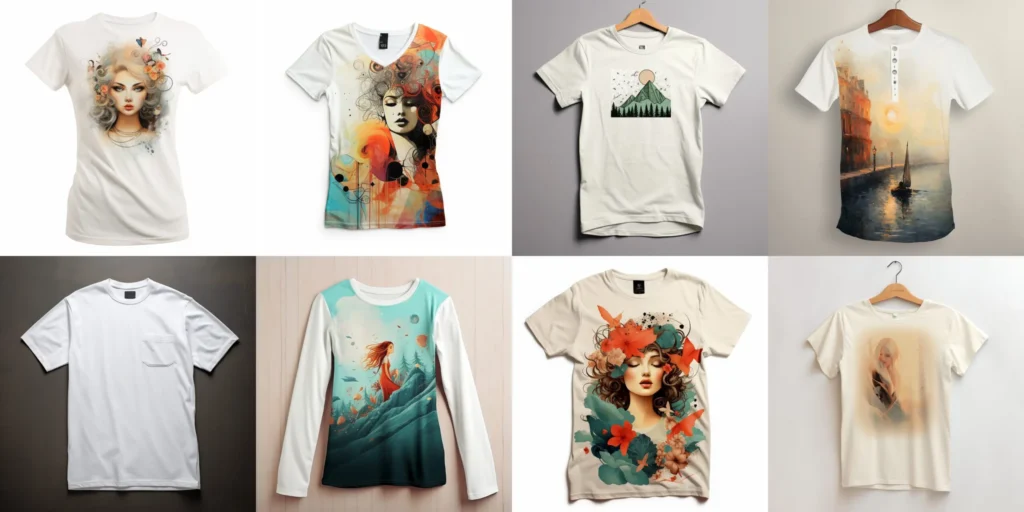
Compare low MOQ clothing quotes on the same production and delivery scope before you pay for a sample. A new brand looking for a manufacturer for a run of 50 to 100 pieces per style had set a target price that excluded shipping. That is enough to start a conversation. To choose a supplier, ask each one to price the same sellable garment and state which costs and decisions will still be open after sampling.
Last updated: November 28, 2026
Make both suppliers quote the same garment
Send a short brief with the style, intended fit, body fabric or blank, decoration, label, packaging, size split and delivery destination. Ask each supplier to name the production route in the reply. A decorated stock blank, a stock-fabric garment developed from your pattern and a specially knitted or dyed material may all look similar in a product photo. They involve different development work and carry different risks on the next order. Keep the routes separate in your worksheet even when the quoted price looks similar.
Ask what is fixed for the price: the fabric, the pattern, the number of colors, the size range, or the printing method. If a quote assumes you will accept whatever sizes are available from stock, it is useful only if that mix fits the launch. For a cut-and-sew quote, have the supplier confirm who owns the approved pattern and which trims can be repeated. Add a line for each condition the supplier cannot yet confirm. That keeps a provisional figure from being treated as the final cost.
Put the quote fields on one sheet
The U.S. International Trade Administration’s pro forma invoice guidance identifies product, pricing and terms as quotation details. Use those fields to make both replies comparable. Keep the initial sample invoice separate from the bulk unit price. Record whether a repeat fee or a credit is confirmed in writing and which order triggers it.
| Quote item | What to record | What to ask if the quote is silent |
|---|---|---|
| Saleable units | Accepted size and color split, with labels and packaging | Where does the minimum apply: style, color, size, trim or print setup? |
| Development | Pattern and sample charges, revisions, and any written sample credit | Does a fit correction cost extra, and what counts as an approved sample? |
| Decoration | Application, placement, artwork setup, and approved reference | Is the price for the actual artwork on the selected fabric? |
| Delivery | Named point, currency, quote validity, and costs excluded | What do we still need to price to receive the goods at the same place? |
| Reorder | Fabric and trim availability, usable production reference, and another lot’s minimum | What happens if only a few sizes need replenishment? |
According to the International Trade Administration’s Incoterms guidance, trade terms make buyer and seller responsibilities clearer. Put the term and the named location beside each quote. Its landed cost guidance explains which extra costs affect the buyer’s total. Compare both routes to the same destination, using current freight and customs inputs when relevant, and label amounts that still need a broker or courier quote. The site’s apparel landed cost worksheet goes deeper on those charges.
How we separate development and manufacturing
For our custom T-shirt programs, we review the brief before confirming fabric and print, develop the sample, and check the approved specification before bulk. Our quotation process separates fabric, labor, trims and packing. These are useful lines to request from any supplier. A cheaper quote may omit a pack you need for retail or assume a standard neck label. Ask for a refreshed price when either item changes and keep the sample used to confirm the new scope.
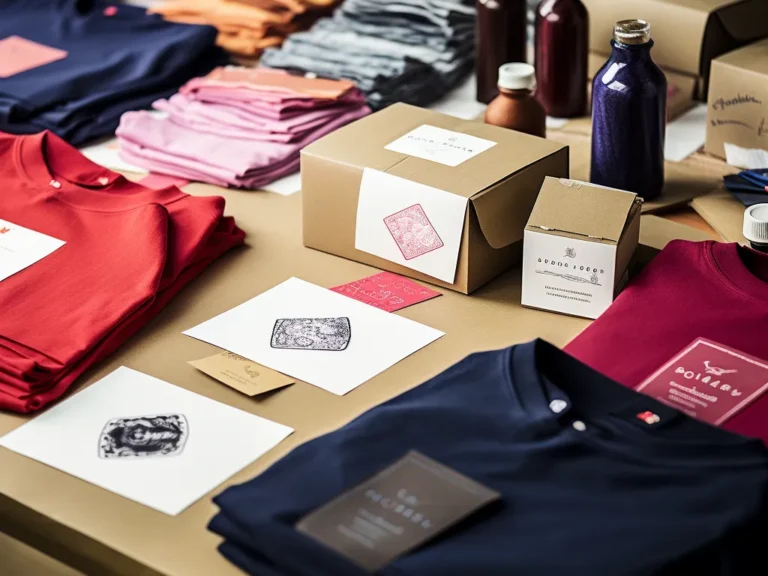
Buyer concerns: Will the quote cover the launch and a reorder?
A supplier’s minimum may leave you short in the sizes you expect to sell. Compare totals against the usable size split you have agreed to buy. For a first launch, a ready blank may be workable when the custom neck, body shape and trims are flexible. If the silhouette is what you are selling, check whether the stock blank limits it, and ask the cut-and-sew supplier what stock fabric or standard trim could keep the project manageable. See the T-shirt order minimum guide for the constraints that matter before quoting.
Before selecting a supplier, ask whether a repeat run uses the same body, decoration standard and labels, and who needs to authorize a substitute. Save both dated quotes with the accepted size split. You can then explain a price difference in terms of a scope change, a setup cost, or a different delivery point rather than guessing from the advertised minimum.
Questions to settle before paying for development
Does a minimum per style include all colors?
Ask for a written quantity breakdown. A supplier may apply one threshold to the body and another to each dye lot or decoration setup. Confirm which sizes can be mixed within each color.
Should the factory quote the sample and bulk together?
Request both figures in the same reply, with independent line items. Flag the assumptions the bulk price depends on, such as approved fabric or artwork, and ask when the quote will be revised.
Can I compare a stock blank quote with a custom pattern quote?
Yes, when both routes cover the same product requirements. Mark any feature the stock body cannot provide. If that feature is a condition of sale, use the stock quote only as a reference for the parts that match.
Get a quote for the same order scope
Send the style, target size split, decoration and destination. Request a scoped apparel quote that separates the sample charges and confirms what is included in the proposed production run.
More factory-floor notes for brand owners
Hoodie Mockup vs. First Sample: What to Fix
Compare a hoodie mockup with the first physical sample and turn differences in the hem, hood, and print…
Read more →
Boxer Briefs Ride Up Under Work Pants: A Fit Test
Check why boxer briefs ride up under work pants with a paired wear test that separates trouser drag…
Read more →
Naturally Dyed Underwear: What Should Buyers Test Before Bulk?
Plan naturally dyed underwear testing for wash and rub fastness, shade variation, and reorder approval. Match color and…
Read more →Hidden Pockets in Boxer Briefs: Where Should They Sit?
Choose hidden pockets in boxer briefs by testing placement, access, load, and movement in comparable samples before approving…
Read more →
Silk Underwear Sourcing: What Can a Buyer Approve from a Sample?
Use a silk underwear sourcing checklist to verify fiber composition, compare stretch and seams, and approve care and…
Read more →
Adaptive Men’s Underwear: How Do You Test Side Openings?
Test side openings in adaptive men's underwear with seated and one-handed dressing checks, closure placement reviews, and a…
Read more →Request a sample & pricing information
Send us your tech pack, target price or a reference sample — we reply with a quotation, a realistic lead time and a fabric recommendation within one working day.
- Free sampling plan & cost breakdown
- MOQ from 300 pcs per style
- Reply within 1 working day