
Hoodie Mockup vs. First Sample: What to Fix
Compare a hoodie mockup with the first physical sample and turn differences in the hem, hood, and print placement into clear instructions for revision.
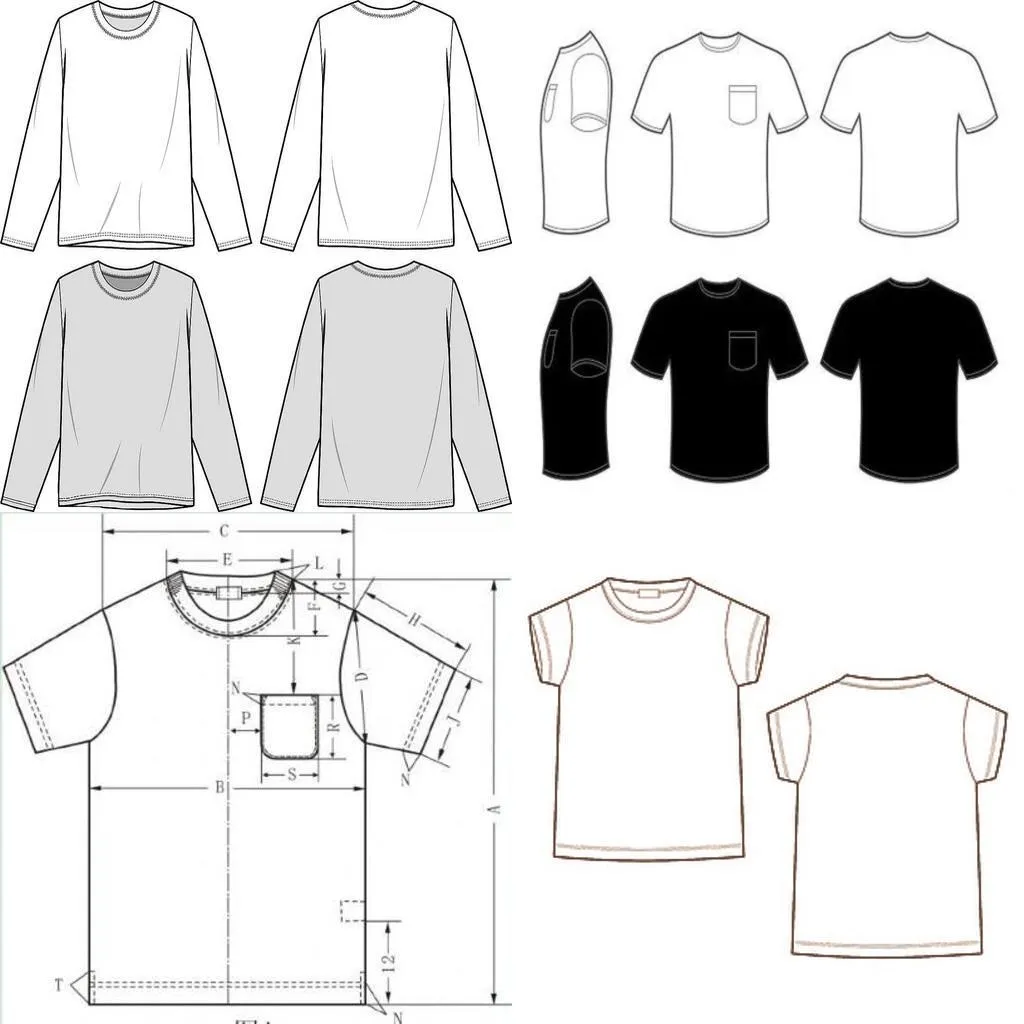
Use the first physical hoodie sample to turn a mockup into measurements the factory can use for a revision. A sourcing discussion described a familiar surprise: the hoodie looks boxy on the table, then the waistband pulls the body inward when someone puts it on. Measure the body and hem band separately, photograph the fit on the wearer, and send a short change list that says what to keep as well as what to revise.
Last updated: November 28, 2026
Look at the body and the rib band separately
Lay the hoodie flat on a table without stretching it. Measure the body just above the lower rib, then record the rib band’s relaxed width and finished height. Note where the band attaches. Mark those points on a front photo so the factory can measure the same positions. If the sample’s chest and body already match the reference, keep those measurements in the next instruction. You can tell the supplier to adjust the band and preserve the body rather than sending a note that simply says “make it boxier.”
Photograph the hoodie on a wearer over the layer customers will typically use. Take a front and side view after the wearer has lowered their arms. Record whether the band holds the hem where you want it, whether the fabric pools above the band, and whether the front and back sit at the same height you expect. If the band is meant to grip, assess whether it holds comfortably in movement. If you want a straight fall, check whether the rib is drawing the body in before requesting extra chest width.
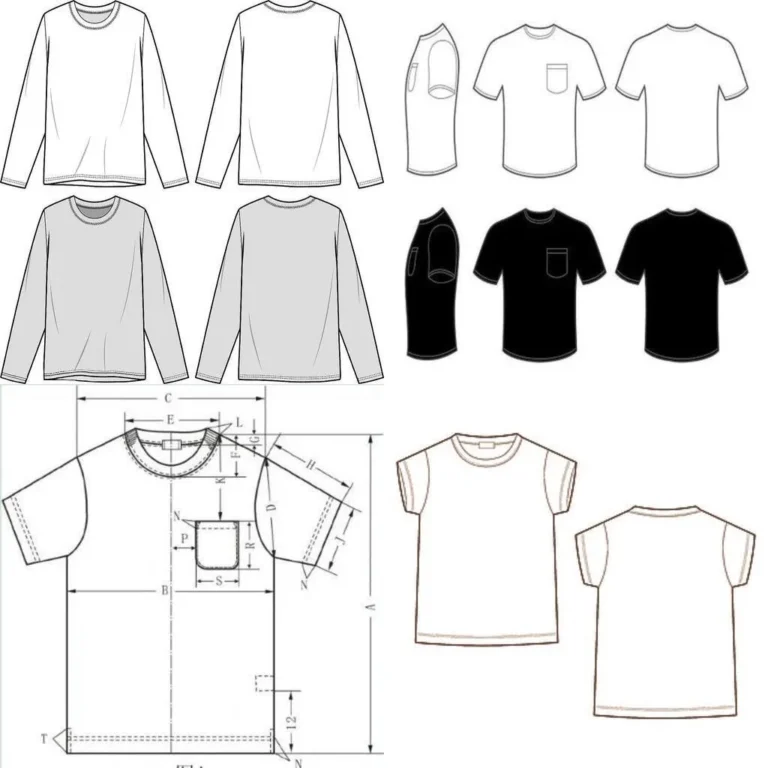
Give the hood and artwork their own approval notes
A hood may look full in the drawing and lie flat or pull on the neck in wear. Photograph it up and down, with the drawcord left in the same state. Mark the opening and the neckline join. If the shape is wrong, identify whether you want a different opening, more room inside the hood, or a change where it attaches. An extra lining layer can change weight and drape. Confirm which material and construction the sample used before requesting a pattern change. Our hood shape and lining guide explains the construction options.
Measure the artwork across the physical sample and record its position from two garment landmarks you can find again. For a chest print, those could be the center front and the neckline seam. Compare the same measurements on a size near the edge of your range. Decide whether the graphic should stay the same physical size on every garment or have a separate size specification. Put that decision on the drawing and check whether the pocket or seam limits the intended placement.
If a photograph makes a print look too small, check whether the garment is laid flat, worn loose or pulled flat for the camera. Give the factory an actual width and distance from the reference points. A percentage of the mockup can change when the artwork is re-exported.
How we turn fit notes into the next sample
Our custom pullover hoodie program lets buyers specify their block, hood construction, pocket shape and trims. During development we work to an agreed specification and keep a physical approval sample. Send photos of the mockup, sample and reference garment together with a marked measurement sheet. Give each issue its own instruction. For a hem revision, record the sample’s current body width and band width, which measurement must stay fixed, and what the revised garment should look like on the wearer.
According to ISO 5077:2007, dimensional change can be assessed by comparing measurements before and after washing and drying. ISO 6330:2021 describes laundering procedures used in textile testing. Agree on the care sequence and note the fabric and trim in the approved reference. Keep the pre-wash and post-wash measurements together. If the sample uses substitute cloth, repeat the check on the intended production material before bulk.

Buyer concerns: Which differences need another sample?
Ask for a new fit sample when the change affects the hem position, neckline, hood balance or where the artwork sits across sizes. A spelling correction on a label may need a revised proof instead. Mark the decisions separately so a quick proof approval does not release an unresolved fit change. Our hoodie sample approval checklist covers the later checks before bulk.
If the post-wash fit changes enough to affect the care instructions, gather evidence on the finished garment before printing the label. The FTC Care Labeling Rule requires a reasonable basis for care instructions on covered garments. A mockup, a swatch, or a sample made with different rib cannot settle how the finished hoodie should be cared for.
Questions about moving from mockup to revision
Can the mockup be my fit reference?
Use it to communicate the look. For fit, add a garment reference or an approved sample with measured points, including the lower body and the rib band.
Does a flat photo show where the hem will sit on a wearer?
It shows the shape at rest on a surface. Add photographs taken on the wearer, including the side view. Describe the base layer and mark where the band rests after the arms come down.
Should the revised sample use the final fabric?
If the revision concerns drape, stretch, or shrinkage, verify it in the intended fabric and rib before approval. Mark any substitute on the sample card so its results are used only for the decisions it can support.
Review the changes for your next hoodie sample
Send your mockup, the current sample photos and the measurements you want to keep. Request a hoodie sample review so the next version has a clear fit and construction brief.
More factory-floor notes for brand owners

How to Compare Low MOQ Clothing Quotes
Compare low MOQ clothing quotes on the same garment, sample costs, size split, reorder conditions, and delivery point…
Read more →
Boxer Briefs Ride Up Under Work Pants: A Fit Test
Check why boxer briefs ride up under work pants with a paired wear test that separates trouser drag…
Read more →
Naturally Dyed Underwear: What Should Buyers Test Before Bulk?
Plan naturally dyed underwear testing for wash and rub fastness, shade variation, and reorder approval. Match color and…
Read more →Hidden Pockets in Boxer Briefs: Where Should They Sit?
Choose hidden pockets in boxer briefs by testing placement, access, load, and movement in comparable samples before approving…
Read more →
Silk Underwear Sourcing: What Can a Buyer Approve from a Sample?
Use a silk underwear sourcing checklist to verify fiber composition, compare stretch and seams, and approve care and…
Read more →Adaptive Men’s Underwear: How Do You Test Side Openings?
Test side openings in adaptive men's underwear with seated and one-handed dressing checks, closure placement reviews, and a…
Read more →Request a sample & pricing information
Send us your tech pack, target price or a reference sample — we reply with a quotation, a realistic lead time and a fabric recommendation within one working day.
- Free sampling plan & cost breakdown
- MOQ from 300 pcs per style
- Reply within 1 working day