
What happens if bulk goods arrive defective?
What to do when bulk apparel arrives defective: securing evidence, notifying the factory, sorting and counting defects, agreeing remedies such as rework, replacement or credit, and…
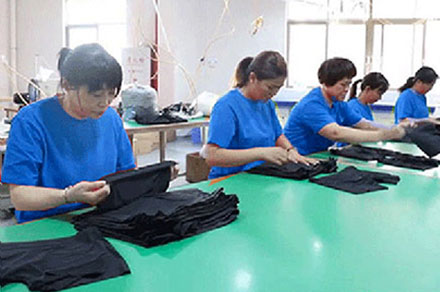
Part of Sampling, Orders, Quality & Shipping in Finetex Talk — buyer questions answered by the Finetex editorial team.
A brand receives boxer briefs from its factory and its warehouse reports broken waistband stitching on a number of pieces in several cartons. The goods were inspected before shipment, and the brand needs to know how to raise a claim.
Short answer: A quality claim works best when it is fast, factual and based on agreed standards. First, stop distribution of the affected goods if possible and secure evidence: carton numbers, photos of defects, the size, colour and style of each defective piece, and the counts. Notify the factory in writing as soon as the problem is found, and refer to the specification, approved sample and defect list in the order. Next, establish the scale. Sort the goods, or check a sample of cartons, so you know whether the defect is limited to some cartons, sizes or colours or spread across the shipment. ISO 2859-1 sampling can be used to check a lot consistently, but for a claim, actual counts of defective pieces are often more persuasive. Then check the cause with the factory: a machine setting, a batch of elastic, a sewing line, or damage in transit. Transit damage usually shows on cartons as well, and is a matter for the carrier or insurer under the agreed shipping terms rather than the factory. Agree the remedy in writing: rework at the factory's cost, replacement goods, a credit note on the next order, or a refund for defective pieces. If payment was by letter of credit, remember that under UCP 600 banks deal with documents, not goods, so a quality claim is handled under the sale contract with the supplier. Close the claim with a corrective action, such as a new inline check on waistband stitching.
Evidence to collect
- Carton numbers and labels.
- Photos of each defect type.
- Counts by style, colour and size.
- Inspection report from before shipment.
Possible remedies
- Rework or repair.
- Replacement goods.
- Credit note or refund.
A worked example
As an illustration, a brand could send the factory a summary table of defects by carton, size and colour, with photos and the inspection report, and ask for root cause and a proposed remedy within an agreed number of days.
Preventing repeats
Add the defect to the defect list, ask for a corrective action and check it at the next inline inspection.
Timing matters
Check goods as soon as they arrive and report problems quickly. The longer goods sit unopened, the harder it is to show when and where a defect arose, and many agreements set time limits for claims.
Limits
A pre-shipment inspection is based on a sample, so defects can be found later. Claims are easier when the contract states standards, defect lists and remedies in advance.
Facts, recommendations and uncertainty
Established: ISO 2859-1 sampling can check lots consistently, and under UCP 600 banks deal with documents, not goods. Recommendation: secure evidence, notify quickly, count defects and agree remedies and corrective actions in writing. Uncertain: the exact cause until the factory investigates.
Sources and further reading
- ISO 2859-1:2026 — Sampling procedures for inspection by attributes (AQL)
- ICC — Uniform Customs and Practice for Documentary Credits (UCP 600)
Standards and regulations are referenced by their published scope. Test parameters, cycles and pass levels should be agreed with your laboratory for the specific product; legal requirements should be confirmed for each destination market.
Three more perspectives
State claim procedures, time limits and remedies in the purchase order or quality agreement before production. Keep all communication in writing. Agree whether remedies are credited, refunded or replaced. Check whether your insurance covers transit damage and how to file a claim. Keep claim discussions separate from new order negotiations, so each is settled on its own facts. Record the agreed remedy and how it will be applied, such as a credit on a named future order.
Review whether the defect points to a design or specification issue, such as a waistband construction that is hard to sew consistently. Update the specification or construction if needed before the next order. Share returns data with the factory. Check whether the approved sample and specification clearly showed the feature that failed, so the standard is not in doubt. If the failure relates to a material, such as an elastic, ask for its specification and test results.
Check whether the defect was within the inspection sample and how it was classified. Review the inspection report and AQLs used. Add a specific inline check for the defect. Keep photos and counts organised by order for future reference. Ask the factory to show the corrective action with photos or a short report before the next production starts. Check the same point in the next inspection, with a larger sample if needed, and record whether the problem has gone. Keep a claim log by supplier to spot repeat issues.
Related products
← More in Sampling, Orders, Quality & Shipping · All Talk topics · Ask us about your programme
More factory-floor notes for brand owners

Why did my reorder price go up?
Why an apparel reorder price can go up: fabric and trim costs, smaller quantities, specification changes, labour and…
Read more →
How do I read an underwear quotation line by line?
How to read an underwear quotation line by line: fabric, elastic and trims, labour, packaging, testing, overheads and…
Read more →
How do peak seasons affect apparel factory capacity?
How peak seasons and holidays affect apparel factory capacity and lead times, why fabric and shipping are also…
Read more →
Should I split one style across two factories?
Whether to split one apparel style across two factories: the benefits for capacity and risk, the risks for…
Read more →
What are the biggest risks on a small brand’s first order?
The biggest risks on a small brand's first apparel order, from unclear specifications and sample approval to payment,…
Read more →
What changes should a factory notify before production?
Which changes a factory should notify the buyer about before production, such as fabric, dye, trims, subcontracting or…
Read more →Request a sample & pricing information
Send us your tech pack, target price or a reference sample — we reply with a quotation, a realistic lead time and a fabric recommendation within one working day.
- Free sampling plan & cost breakdown
- MOQ from 300 pcs per style
- Reply within 1 working day