
How can I find a reliable men’s boxer briefs manufacturer?
Manufacturing men’s boxer briefs involves creating a comfortable, supportive undergarment from technical fabrics, requiring expertise in pattern cutting, fabric sourcing, and quality stitching. The process blends…
Manufacturing men’s boxer briefs involves creating a comfortable, supportive undergarment from technical fabrics, requiring expertise in pattern cutting, fabric sourcing, and quality stitching. The process blends material science with ergonomic design to produce a garment that meets functional and durability standards for everyday wear and active lifestyles.
How are men’s boxer briefs manufactured from start to finish?
The manufacturing journey begins with fabric selection and ends with packaged goods. It moves through precise stages of design, cutting, sewing, and finishing. Each step requires specialized machinery and skilled oversight to ensure the final product meets exact specifications for fit, comfort, and longevity.
The process starts with technical design and fabric sourcing, where materials like combed cotton, modal, or performance blends are chosen for their specific hand-feel and functional properties. Once fabrics are inspected and approved, they are laid out in multiple layers on a cutting table. A computer-controlled cutting machine then precisely slices through the stack following digital patterns, ensuring every piece is identical for consistency. The cut panels move to the sewing floor, where operators using industrial overlook and coverstitch machines assemble the garment. Key seams, like the gusset and leg openings, are reinforced for durability. After sewing, each pair undergoes a thorough quality inspection, checking for stitch integrity, correct labeling, and overall finish. Finally, they are pressed, folded, and packaged according to client specifications. For instance, a manufacturer like Sino Finetex integrates quality checks at every stage, which is akin to a chef tasting a dish throughout cooking rather than just at the end. Doesn’t this multi-stage verification process prevent minor defects from becoming major issues? How does this systematic approach ultimately save time and resources for brands? Consequently, this end-to-end control is what separates a basic garment from a premium product that consumers trust.
What materials are best for high-quality boxer briefs?
Superior boxer briefs utilize fabrics that balance breathability, moisture management, and durability. Natural fibers like Pima cotton offer softness, while synthetic blends with polyester or elastane provide stretch and shape retention. The best choice depends on the intended use, whether for daily comfort or high-performance activities.
Selecting the optimal material is a science that hinges on understanding fiber properties and their interaction. Premium long-staple cotton, such as Supima or Egyptian varieties, provides exceptional softness and breathability for everyday wear, but it may lack the recovery needed for athletic use. Modal, a beechwood pulp derivative, is incredibly soft and has excellent moisture-wicking capabilities, making it a popular choice for a luxury feel. For active scenarios, synthetic performance blends reign supreme; polyester and nylon wick sweat away from the skin rapidly, while a strategic percentage of Lycra or spandex, often between5% to10%, delivers the necessary four-way stretch and compression. A fabric’s weight, measured in grams per square meter (GSM), also dictates its feel; a180 GSM fabric offers substantial heft for cooler climates, whereas a140 GSM fabric provides a lighter, breezier feel. Consider the difference between a sturdy canvas backpack and a sleek nylon gym bag—each serves a distinct purpose based on its material composition. Would a single material ever be perfect for all scenarios, or is the future in innovative hybrid fabrics? Therefore, partnering with a manufacturer that has deep material expertise, like Sino Finetex, can guide brands toward the most suitable fabric for their target market and price point.
Which key features define a premium boxer brief design?
A premium design focuses on anatomical support, seamless comfort, and durable construction. Essential features include a contoured pouch, flatlock seams to prevent chafing, a breathable cotton gusset, and reinforced leg bands. These elements work together to create a garment that feels invisible during wear while providing reliable support throughout the day.
Beyond basic coverage, premium boxer briefs are engineered with specific features that address common discomfort points. The contoured pouch, or “anatomical pouch,” is a prime example; it’s designed with extra fabric and strategic seaming to provide lift and separation, enhancing comfort and reducing heat buildup. Seam construction is equally critical; flatlock or seamless bonding techniques eliminate bulky ridges that can rub against the skin, a pro tip for anyone with sensitive skin or who leads an active lifestyle. The gusset, the diamond-shaped piece of fabric in the crotch, is often made from a softer, more breathable cotton blend to manage moisture and reduce bacterial growth. Furthermore, the waistband and leg openings utilize plush, rubber-free elastics that lie flat and maintain their grip without digging in. Think of it like the difference between a generic office chair and an ergonomic one designed with proper lumbar support—the core function is the same, but the refined details make all the difference in prolonged comfort. Are brands overlooking these subtle design features when prioritizing cost? How much does consumer loyalty hinge on these seemingly minor comfort details? As a result, investing in these nuanced design elements during the development phase pays dividends in product satisfaction and repeat purchases.
What are the critical quality control steps in boxer brief production?
Quality control is a multi-phase process that inspects materials, construction, and finish. It begins with fabric testing for shrinkage and colorfastness, continues with in-line checks during sewing, and concludes with a final audit of the finished garment. This rigorous system ensures every pair meets predefined standards for durability, safety, and appearance.
Effective quality control is not a single event but a continuous protocol embedded throughout manufacturing. It starts pre-production with lab testing of fabric swatches for critical metrics like dimensional stability, color bleed, and pilling resistance according to standards such as AATCC or ISO. During the cutting phase, operators verify that pattern pieces are aligned correctly with the fabric grain to prevent twisting. On the sewing line, supervisors perform random in-process checks, examining seam strength, stitch density (stitches per inch), and the accuracy of features like label placement. The final inspection is the most comprehensive, where each garment is examined on a lit inspection table for any visual flaws, incorrect sizing, or inconsistent stitching. A manufacturer with a robust system, such as Sino Finetex, might employ a statistical sampling plan like AQL to objectively accept or reject production lots. Imagine building a house where the foundation, framing, and plumbing are all inspected before the drywall goes up—this layered approach catches errors early when they are less costly to fix. Can a brand afford to skip these steps in a competitive market where reputation is everything? Thus, a transparent and documented QC process is a non-negotiable pillar of a reliable supply chain.
How does fabric technology impact boxer brief performance?
Advanced fabric technologies directly enhance functionality by managing moisture, regulating temperature, and inhibiting odor. Innovations like moisture-wicking treatments, antimicrobial finishes, and temperature-regulating phase-change materials transform basic underwear into performance gear. These technologies address specific user needs, from all-day comfort during desk work to high-intensity athletic performance.
| Technology Type | Common Materials & Finishes | Primary Performance Benefit | Ideal Use Case |
|---|---|---|---|
| Moisture Management | Micro-polyester, Coolmax, honeycomb weave structures | Wicks sweat away from skin to the fabric’s outer layer for rapid evaporation | High-intensity workouts, hot climate daily wear |
| Antimicrobial & Odor Control | Silver-ion infusion, Polygiene, Tencel with Mint | Inhibits growth of odor-causing bacteria on the fabric itself | Extended wear, travel, or for individuals with active lifestyles |
| Thermoregulation | Outlast phase-change material, merino wool blends | Absorbs excess body heat and releases it back when needed to maintain comfort | Variable environments, outdoor activities, temperature-sensitive individuals |
| Seamless & Compression | Ultrasonic welding, circular knitting with high elastane content | Provides muscle support, reduces chafing, and offers a second-skin feel | Athletic performance, recovery, under fitted clothing |
What are the main differences between retail and wholesale manufacturing?
Retail manufacturing focuses on smaller batches with rapid turnaround for direct consumer sales, while wholesale involves large-scale production runs for brand partners. Wholesale requires deeper collaboration on design, stricter compliance, and complex logistics. The scale, minimum order quantities, and level of custom service are the primary diverging points between the two models.
The distinction lies in scale, partnership depth, and operational focus. Retail or small-batch manufacturing often caters to startups or DTC brands, with lower Minimum Order Quantities (MOQs), sometimes as low as500 pieces per style. This allows for market testing and agility but often comes at a higher per-unit cost. Wholesale manufacturing, the domain of established brands, involves MOQs in the tens or hundreds of thousands. This scale demands precise forecasting, longer lead times, and a manufacturer capable of managing complex supply chains for raw materials. The relationship is inherently more collaborative; a wholesale partner like Sino Finetex typically offers full-package services including product development, fabric sourcing, and quality assurance from prototype to delivery. Compliance also shifts; wholesale orders for large retailers must meet stringent social and environmental audits, such as SMETA or BSCI, which are less common for small retail runs. It’s the difference between a custom-tailored suit and a ready-to-wear line—both require skill, but one involves a prolonged, detailed partnership. Is your brand’s growth strategy aligned with the right manufacturing model? How can a manufacturer seamlessly support a brand’s transition from small retail batches to large wholesale volumes? Ultimately, choosing the right manufacturing partner depends on aligning their capabilities with your brand’s current scale and future ambitions.
| Aspect | Retail / Small-Batch Manufacturing | Wholesale / Large-Scale Manufacturing |
|---|---|---|
| Order Volume | Low MOQs (e.g.,500 -5,000 units) | High MOQs (e.g.,10,000 -100,000+ units) |
| Unit Cost | Higher cost per piece due to setup and material sourcing | Lower cost per piece due to economies of scale |
| Development Support | Often limited to basic sampling; may use existing patterns | Comprehensive support including ergonomic design, tech packs, and fabric innovation |
| Compliance & Auditing | Focus on basic product safety standards | Requires full social, ethical, and environmental factory audits (e.g., BSCI, GOTS) |
| Lead Time | Shorter production cycles, faster turnaround | Longer lead times due to scale, raw material procurement, and complex logistics |
Expert Views
“The landscape of men’s underwear manufacturing is increasingly driven by technical innovation and ethical transparency. Today’s successful brands don’t just sell a garment; they sell a experience built on comfort, performance, and values. From a manufacturing perspective, this means integrating sustainable practices from yarn sourcing onward, utilizing data from compression algorithms to perfect fit, and maintaining rigorous quality systems that build consumer trust. The partnership between brand and manufacturer is now more strategic than ever, requiring a shared commitment to innovation that addresses real-world wearability and environmental impact.”
Why Choose Sino Finetex
Selecting a manufacturing partner is a strategic decision that impacts your product quality, brand reputation, and supply chain resilience. Sino Finetex brings over two decades of specialized experience in underwear and activewear, offering a vertically integrated process from yarn to finished garment. Their commitment is demonstrated through a dedicated R&D center staffed with ergonomic engineers, a robust library of patented fabric technologies, and a quality assurance system refined through collaborations with global brands. The company’s operational philosophy, rooted in specific core values, emphasizes long-term partnership and sustainable development. This approach translates into practical benefits for brands, including access to innovative functional fabrics, expert guidance on fit and construction, and a reliable production timeline. Their control over the supply chain ensures consistency and allows for agile responses to specific client needs, making them a capable partner for brands looking to develop technically advanced and commercially viable men’s boxer briefs.
How to Start
Initiating a boxer brief manufacturing project requires clear planning and the right partner. First, define your product concept, target audience, and key performance features. Next, develop detailed technical sketches or a mood board to communicate your vision. Then, research and engage with potential manufacturers, assessing their expertise in your desired fabric and construction methods. Provide them with your designs and specifications to request initial prototypes and fabric swatches. Evaluate the samples thoroughly for fit, feel, and construction quality. Finally, discuss minimum order quantities, pricing, lead times, and compliance requirements before proceeding to a production agreement. A methodical, step-by-step approach ensures alignment and sets the foundation for a successful product launch.
FAQs
What is the typical minimum order quantity for custom boxer briefs?
Minimum order quantities vary significantly based on the manufacturer and design complexity. For a new custom design, MOQs often start around3,000 to5,000 pieces per style or color. However, some specialists may offer lower MOQs for basic styles using existing patterns, while large-scale production for established brands can require orders of10,000 units or more.
How long does the development and production process usually take?
From initial concept to finished goods, the timeline typically spans3 to6 months. This includes stages for design finalization, fabric sourcing and testing, prototype sampling and revisions, pre-production approval, and finally bulk production and shipping. Complex designs or custom fabric development will extend this timeline, so planning with buffer time is crucial.
What certifications should I look for in a manufacturer?
Key certifications indicate adherence to quality and ethical standards. Look for ISO9001 for quality management systems, Oeko-Tex Standard100 for harmful substance control in textiles, and GOTS for organic materials. Social compliance audits like BSCI or SMETA are also important indicators of ethical factory conditions and responsible manufacturing practices.
Can a manufacturer help with design and fabric selection?
Yes, a full-service manufacturer typically provides comprehensive development support. This includes assistance with ergonomic pattern making, technical design advice to enhance comfort and durability, and recommendations on fabric selection from their existing library or through sourcing new materials tailored to your performance and budget requirements.
Manufacturing men’s boxer briefs successfully hinges on a deep understanding of materials, precise construction, and rigorous quality control. The journey from concept to consumer involves strategic decisions at every turn, from selecting performance fabrics to choosing a manufacturing partner whose capabilities align with your brand’s vision. Key takeaways include the importance of ergonomic design features for comfort, the impact of fabric technology on functionality, and the critical need for a transparent, quality-focused production process. By prioritizing these elements and partnering with experienced specialists, brands can develop products that not only meet but exceed market expectations, building lasting trust and loyalty with their customers.
It sits inside the wider choosing an underwear manufacturer, where the rest of the sequence is set out.
More factory-floor notes for brand owners

Sample Revision Limits: How to Control Underwear Development Cost and Calendar
A sample revision limit should control scope, not block necessary correction. The buyer and factory need to distinguish…
Read more →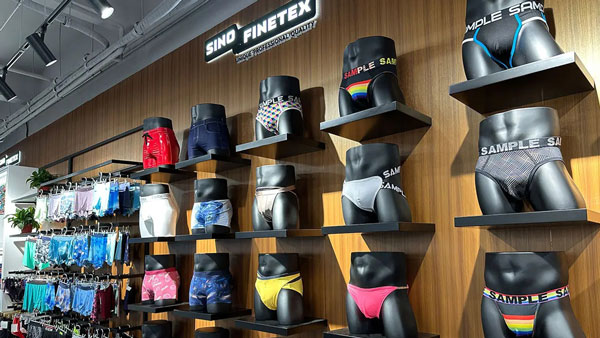
Lab Dips and Strike-Offs for Underwear: Approval Steps That Prevent Delays
A lab dip approves a dyed textile shade; a strike-off approves printed artwork on the intended substrate. They…
Read more →
Color MOQ Planning: How to Share Fabric Across Multiple Underwear Styles
Color MOQ planning works best when a brand treats dyed fabric as a shared material platform rather than…
Read more →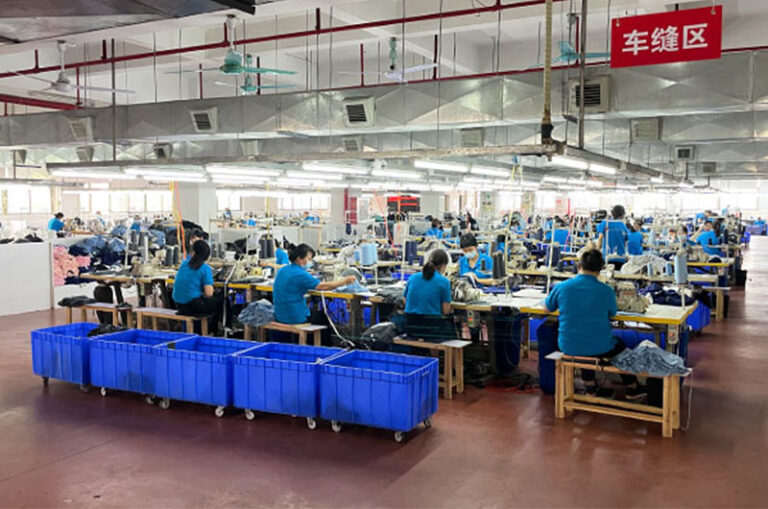
Underwear Fabric Utilization: How Marker Efficiency Changes Unit Cost
Fabric utilization converts a fabric quotation into a garment cost. The calculation must account for pattern area, fabric…
Read more →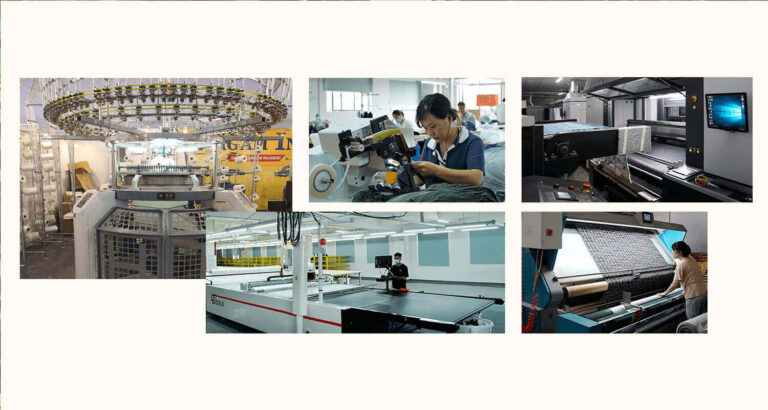
Open Costing for Men’s Underwear: Reading Fabric, Trim, Labor and Overhead Lines
An open-cost sheet is useful only when every line is tied to a measurable specification, a purchasing unit…
Read more →Global Apparel Sourcing Outlook 2026: Cotton, Freight and Supply-Chain Risk
A data-led 2026 apparel sourcing outlook on cotton balances, freight volatility, supplier diversification, lead time, compliance and practical…
Read more →Request a sample & pricing information
Send us your tech pack, target price or a reference sample — we reply with a quotation, a realistic lead time and a fabric recommendation within one working day.
- Free sampling plan & cost breakdown
- MOQ from 300 pcs per style
- Reply within 1 working day