
How do I settle a measurement tolerance dispute with a factory?
How to settle a measurement tolerance dispute with a factory: checking the specification and tolerances, using the same measuring method, remeasuring jointly, judging the impact on…
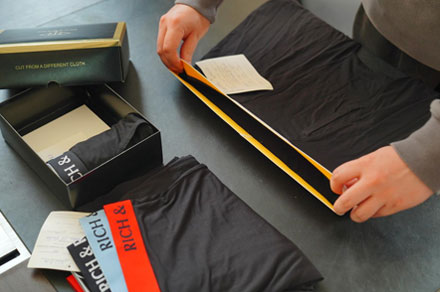
Part of Sampling, Orders, Quality & Shipping in Finetex Talk — buyer questions answered by the Finetex editorial team.
A brand's inspector reports that the waist relaxed measurement of a boxer brief order is outside tolerance on several pieces. The factory says its own measurements are within tolerance and that the inspector measured incorrectly.
Short answer: Most measurement disputes come from three sources: an unclear specification, different measuring methods, or real variation in production. Start by checking the specification. It should state each point of measure, how it is measured, whether the garment is relaxed or extended, and the tolerance for each point. If the waist is measured relaxed in one place and stretched in another, both sides can be right. ISO 8559-1 defines body measurement for size designation, but garment points of measure are usually defined in the brand's own specification, so the description and diagrams there matter most. Next, agree to remeasure together, on the same pieces, with the same method, tools and conditions, ideally with photos or video of the method. Lay the garment flat, without tension unless the specification says otherwise, and measure after it has rested if it was folded tightly. If the remeasure confirms the issue, check how many pieces and which sizes are affected. Inspection sampling under ISO 2859-1 tells you whether a lot meets the agreed AQL, but the decision also depends on how the measurement affects fit. A waist slightly outside tolerance may not change fit noticeably, while a large deviation on a key point can lead to returns. Agree the outcome in writing: accept, rework, sort, or reject, and update the specification so the method is clear next time.
Common causes
- Unclear points of measure.
- Different measuring methods.
- Real production variation.
Steps to settle the dispute
- Check the specification and tolerances.
- Remeasure jointly with the same method.
- Count affected pieces and sizes.
- Judge the impact on fit.
- Agree the outcome in writing.
A worked example
As an illustration, a brand could ask the factory and the inspector to each measure the same five pieces on a video call, using the spec diagram, and compare results before deciding.
Preventing repeats
Add a measuring guide with diagrams to the specification and share it with the inspector and factory.
Judging the impact
Where pieces are outside tolerance, try them on a fit model or form in the affected sizes. If fit is acceptable, a written concession for this order may be fairer than rejection; if not, agree sorting or rework.
Limits
Some knitted garments relax or change after washing, so measurements can vary slightly. Tolerances should reflect the fabric.
Facts, recommendations and uncertainty
Established: ISO 2859-1 sampling decides lot acceptance against agreed AQLs, and points of measure are usually defined in the brand's own specification. Recommendation: remeasure jointly with the same method and agree outcomes in writing. Uncertain: whether small deviations affect fit for customers.
Sources and further reading
- ISO 8559-1:2017 — Size designation of clothes: anthropometric definitions for body measurement
- ISO 2859-1:2026 — Sampling procedures for inspection by attributes (AQL)
Standards and regulations are referenced by their published scope. Test parameters, cycles and pass levels should be agreed with your laboratory for the specific product; legal requirements should be confirmed for each destination market.
Three more perspectives
Include the specification, tolerances and measuring guide in the purchase order, so they are part of the agreement. Agree in advance how disputes will be settled and who pays for re-inspection. Keep the communication factual and supported by measurements and photos. If a concession is agreed, record that it applies to this order only, so it does not become the new standard. Consider sharing the costs of sorting where the specification itself was unclear.
Review whether the tolerance is realistic for the fabric and construction. Stretch fabrics may need wider tolerances on some points. Check that the specification describes each point of measure clearly with diagrams. Update the size chart if fit feedback shows a problem. Where disputes repeat on the same point, check whether the pattern or grading needs adjusting rather than tightening inspection. Review measurement data from several orders to set realistic tolerances.
Train inspectors and factory QC staff on the same measuring method. Use the same type of tape and table conditions. Record measurements as values, not only pass or fail. Keep remeasure records with the inspection report. Calibrate measuring tapes and check them regularly. Measure garments after conditioning if they have been tightly packed. Ask the factory to share its own inline measurement records, so trends can be seen before final inspection. Compare inline and final values.
Related products
← More in Sampling, Orders, Quality & Shipping · All Talk topics · Ask us about your programme
More factory-floor notes for brand owners

Why did my reorder price go up?
Why an apparel reorder price can go up: fabric and trim costs, smaller quantities, specification changes, labour and…
Read more →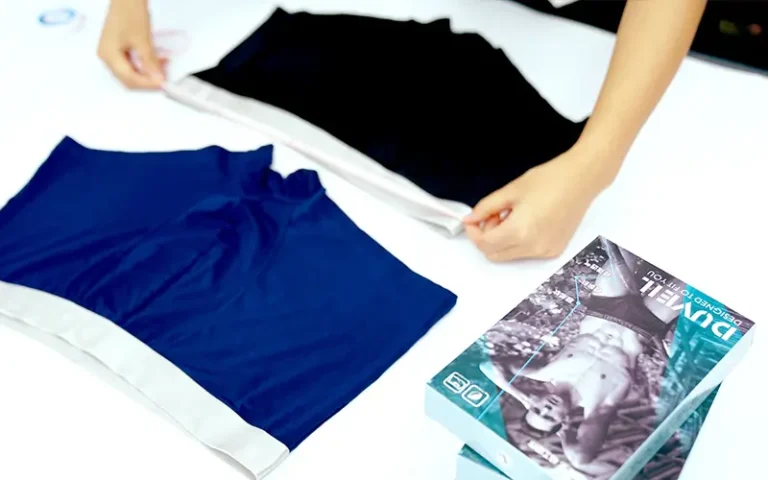
How do I read an underwear quotation line by line?
How to read an underwear quotation line by line: fabric, elastic and trims, labour, packaging, testing, overheads and…
Read more →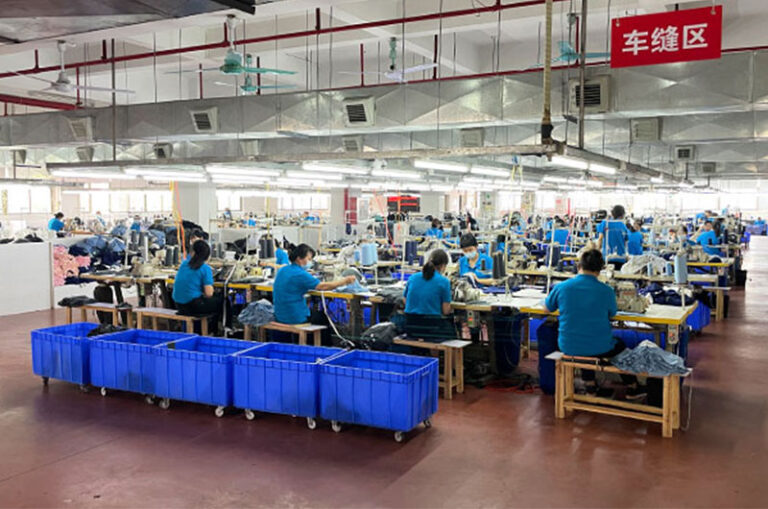
How do peak seasons affect apparel factory capacity?
How peak seasons and holidays affect apparel factory capacity and lead times, why fabric and shipping are also…
Read more →
Should I split one style across two factories?
Whether to split one apparel style across two factories: the benefits for capacity and risk, the risks for…
Read more →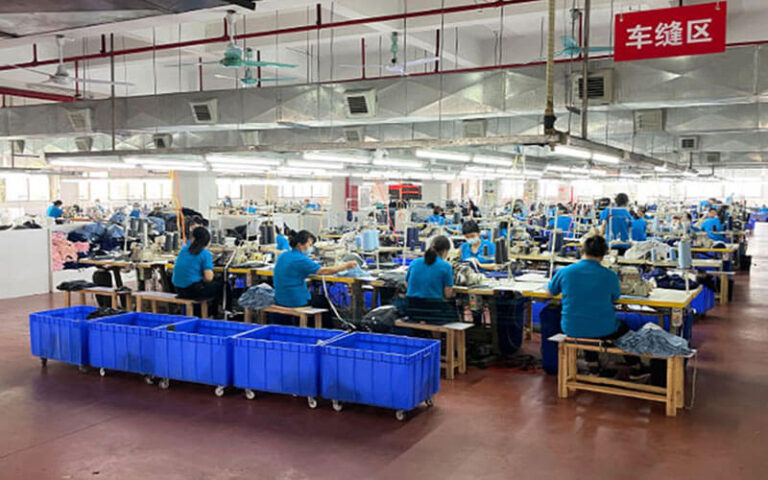
What are the biggest risks on a small brand’s first order?
The biggest risks on a small brand's first apparel order, from unclear specifications and sample approval to payment,…
Read more →
What changes should a factory notify before production?
Which changes a factory should notify the buyer about before production, such as fabric, dye, trims, subcontracting or…
Read more →Request a sample & pricing information
Send us your tech pack, target price or a reference sample — we reply with a quotation, a realistic lead time and a fabric recommendation within one working day.
- Free sampling plan & cost breakdown
- MOQ from 300 pcs per style
- Reply within 1 working day