
How do I allow for shrinkage in a T-shirt pattern?
How to allow for shrinkage in a T-shirt pattern: measuring fabric shrinkage, calculating allowances, applying them by direction, and confirming on washed samples.
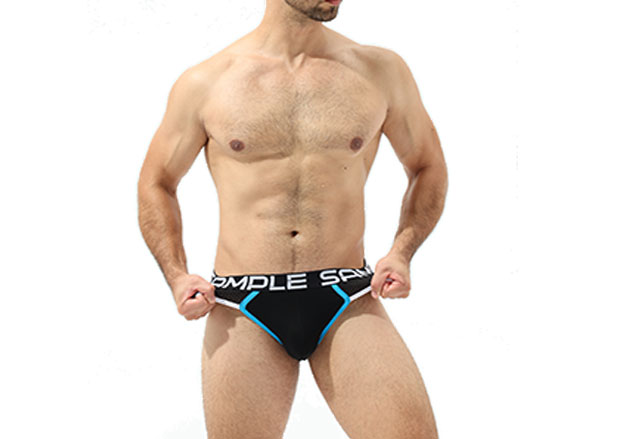
Part of T-Shirts, Undershirts & Tank Tops in Finetex Talk — buyer questions answered by the Finetex editorial team.
A brand's cotton T-shirts measure correctly when new, but after the first wash the body is about 5% shorter and 2% narrower. The factory suggests adding shrinkage to the pattern, and the team wants to know how to do it properly.
Short answer: Measure the finished fabric's shrinkage in length and width after a defined wash and dry, then enlarge the pattern in each direction by enough that the washed garment reaches the specification. Because shrinkage is a percentage of the final size, the allowance is calculated as final length divided by (1 minus shrinkage), not simply final plus shrinkage. For 5% length shrinkage, a 70 cm body needs a pattern of about 73.7 cm. Apply length and width separately, use shrinkage from the actual bulk fabric lot, and confirm by washing sample garments. Pattern allowance works only if fabric shrinkage is consistent; if it varies widely between lots, fix the fabric finishing first.
Measuring fabric shrinkage
- Use ISO 3759 for preparing, marking and measuring specimens.
- Wash and dry following a stated ISO 6330 procedure, the one closest to customer care.
- Calculate dimensional change with ISO 5077.
- Test each bulk lot, not only the development fabric.
Calculating the allowance
- Pattern size = finished size / (1 – shrinkage as a decimal).
- Example: 52 cm chest with 2% width shrinkage gives about 53.1 cm.
- Apply length and width separately; they are rarely the same.
- Ribs, tapes and trims may shrink differently and need their own allowance.
Confirming on garments
Make a set of garments with the adjusted pattern, wash them following the care label, and measure against the specification. Check fit points such as body length, chest, sleeve length and neck opening, not only overall size.
A worked example
For the shirts in the question, the team measures 5% length and 2% width shrinkage on the bulk lot. They lengthen the body pattern by about 5.3% and widen it by about 2%, wash three samples, and find body length within 1 cm of the specification. The neck rib, which shrinks less, is left unchanged.
Common mistakes
- Adding the shrinkage percentage instead of dividing by one minus shrinkage, which leaves garments slightly short.
- Using development fabric figures for a bulk lot that was finished differently.
- Applying the body allowance to ribs and tapes that shrink less.
- Testing only one wash, when some fabrics keep shrinking over the first few washes.
Limits
Customers wash and dry in many ways, so garments may still change in use. Tumble drying usually causes more shrinkage than line drying. Allowances depend on consistent fabric.
Facts, recommendations and uncertainty
Established: pattern allowance compensates for measured fabric shrinkage when calculated by direction from test results. Recommendation: test each lot and confirm on washed samples. Uncertain: real customer washing, which may differ from the test procedure.
Sources and further reading
- ISO 5077:2007 — Determination of dimensional change in washing and drying
- ISO 6330:2021 — Domestic washing and drying procedures for textile testing
- ISO 3759:2011 — Preparation, marking and measuring of fabric specimens and garments for dimensional change
Standards and regulations are referenced by their published scope. Test parameters, cycles and pass levels should be agreed with your laboratory for the specific product; legal requirements should be confirmed for each destination market.
Three more perspectives
Include dimensional change limits in the fabric purchase specification and ask the mill for a test report with each lot. If shrinkage varies a lot between lots, discuss compacting or other finishing with the mill rather than changing patterns each time. Agree with the factory who tests incoming fabric and how results are passed to the pattern room. Ask the mill to tell you before changing the finishing route, since it changes shrinkage.
Develop patterns on the same finished fabric that will be used in bulk. Record the shrinkage figures used for each pattern version, and keep both the "before" and "after" measurements of approved samples. If fabric changes, retest and adjust before cutting. Communicate washed garment measurements to customers if you publish a size chart. Note on each pattern which fabric lot and test report its allowances came from.
Test shrinkage on each incoming lot before cutting and compare it with the figures used for the pattern. If the difference is large, stop and consult the pattern room. After production, wash a few garments per lot and measure key points against the specification. Keep records so trends are visible. Measure washed garments at the same points used in the size specification.
Related products
Related articles
← More in T-Shirts, Undershirts & Tank Tops · All Talk topics · Ask us about your programme
More factory-floor notes for brand owners

Why did my reorder price go up?
Why an apparel reorder price can go up: fabric and trim costs, smaller quantities, specification changes, labour and…
Read more →
How do I read an underwear quotation line by line?
How to read an underwear quotation line by line: fabric, elastic and trims, labour, packaging, testing, overheads and…
Read more →
How do peak seasons affect apparel factory capacity?
How peak seasons and holidays affect apparel factory capacity and lead times, why fabric and shipping are also…
Read more →
Should I split one style across two factories?
Whether to split one apparel style across two factories: the benefits for capacity and risk, the risks for…
Read more →
What are the biggest risks on a small brand’s first order?
The biggest risks on a small brand's first apparel order, from unclear specifications and sample approval to payment,…
Read more →
What changes should a factory notify before production?
Which changes a factory should notify the buyer about before production, such as fabric, dye, trims, subcontracting or…
Read more →Request a sample & pricing information
Send us your tech pack, target price or a reference sample — we reply with a quotation, a realistic lead time and a fabric recommendation within one working day.
- Free sampling plan & cost breakdown
- MOQ from 300 pcs per style
- Reply within 1 working day