
Is Pima cotton underwear worth the premium over combed cotton?
What Pima cotton changes in underwear compared with combed cotton, when the premium is justified, and how to verify the fibre claim.
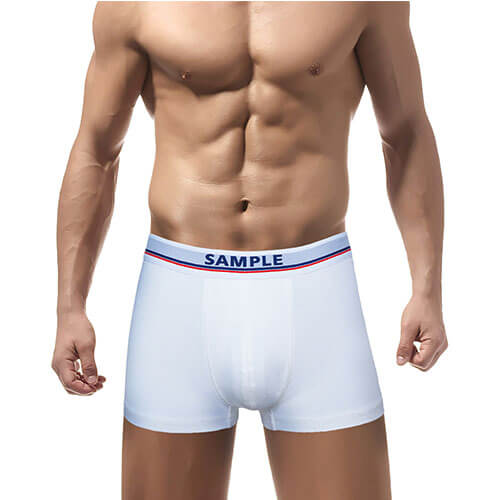
Part of Underwear Fabrics & Comfort in Finetex Talk — buyer questions answered by the Finetex editorial team.
A brand wants to upgrade its cotton boxer briefs and is quoted a significant premium for Pima cotton. The buyer wants to know whether customers will notice.
Short answer: Pima is an extra-long-staple cotton. Longer fibres can be spun into finer, stronger, smoother yarns, which tends to give a softer hand, better surface appearance and lower pilling than standard combed cotton. Whether the premium pays off depends on your price point and whether you can verify and communicate the fibre origin.
What longer staple changes
Long fibres leave fewer fibre ends on the yarn surface, so the fabric feels smoother and resists pilling better. Yarns can be finer at the same strength, allowing lighter fabrics. The benefit depends on spinning quality and fabric construction as well as fibre.
Factors to weigh
- Price position: premium fabrics suit higher retail prices and quality-focused brands.
- Verification: "Pima" is a fibre type; branded programmes such as Supima have their own licensing and verification rules.
- Blend: Pima/elastane blends change hand and performance.
- Fabric choice: a well-made combed cotton can outperform a poorly made Pima fabric.
Steps
- Request fibre documentation from the mill and keep it with your records.
- Compare Pima and combed cotton samples in the same pattern after washing: pilling, shape and hand.
- Make sure the fibre content label and marketing description match what you can document.
Limits
Customers notice softness and durability, not fibre names. If the difference is not visible after a few washes in your tests, the premium may be better spent on fit or finishing.
What customers actually notice
In practice, customers judge cotton underwear on three things: how soft it feels at first touch, how it looks after repeated washing, and whether it keeps its shape. Longer-staple cotton tends to help the second point most, through lower fuzzing and pilling, and can help softness when spun into finer yarns. Shape retention depends more on elastane content, knit and pattern. If your current complaints are about shape, Pima alone will not solve them.
Pima, Supima and Egyptian: names to handle carefully
Pima is the common name for extra-long-staple cotton of the Gossypium barbadense species grown mainly in the US, Peru and a few other regions. "Supima" is a licensed trademark for American Pima cotton, and its use on product requires a licence and verification through the trademark owner's programme. Egyptian cotton is a separate origin claim. None of these names can be used simply because a fabric feels soft; they describe fibre origin, so documentation from the yarn or fabric supplier is what makes the claim usable.
When the premium is easiest to justify
- Next-to-skin products with a smooth jersey where surface appearance after washing is visible to the customer.
- Lines sold on fibre story, where certification or trademark licensing can be shown at retail.
- Ranges with a long reorder life, where a consistent fibre source helps keep the hand feel stable across seasons.
It is harder to justify in heavily brushed or printed fabrics, where finishing dominates the feel.
Facts, recommendations and uncertainty
Established: extra-long-staple cotton allows finer, smoother yarns. Recommendation: compare washed samples before paying the premium. Uncertain: how much customers will value the difference at your price point.
Sources and further reading
- ISO 12945-2:2020 — Pilling, fuzzing or matting, modified Martindale method
- ISO 5077:2007 — Determination of dimensional change in washing and drying
- U.S. FTC — Textile Fiber Products Identification Act
Standards and regulations are referenced by their published scope. Test parameters, cycles and pass levels should be agreed with your laboratory for the specific product; legal requirements should be confirmed for each destination market.
Three more perspectives
Ask whether the fabric is 100% Pima or a blend with other cotton, and request fibre documentation for the lot. Unverified fibre claims are a common source of retailer disputes. If you want to use the Supima name, confirm early that the yarn and fabric suppliers are licensed and that the programme's labelling requirements fit your packaging timeline, because the approval step can add time before launch.
Pima is often best used where touch matters most, such as the body fabric, while waistbands, linings and trims follow standard specifications. Pair it with a construction that shows off the fibre: a fine, smooth single jersey or interlock displays the lustre and evenness better than a heavy rib. Sample against a good combed cotton in the same construction, so the team can judge whether customers will notice the difference.
Retain fabric samples from each lot and compare surface appearance after washing against the approved standard. Premium fibre lines are judged more strictly by customers, so small changes in pilling or hand feel are noticed quickly. Keep the fibre documentation with the lot record as well, so a retailer request to substantiate the claim can be answered with paperwork that matches the delivered goods.
Related products
Related articles
- Organic Cotton Underwear: Building the Chain of Custody Before You Write the Claim
- Cotton Underwear Manufacturing: Choosing the Cotton That Decides Comfort and Reorder Rate
- Which Fabric Is Best for Men's Underwear: Cotton, Modal, Bamboo or Nylon: A Manufacturer's Comparison
- Who are the top cotton underwear manufacturers: How to Read the Lists (and What They Leave Out)
- Why is your 100 cotton underwear actually failing you: The Manufacturing Reality Behind It
- Sustainable Underwear Manufacturing: Proof, Premium and the Fibre Decisions Behind Both
- Organic Cotton Underwear Sourcing: Verifying Claims Before You Buy
- Organic Cotton T-Shirt Manufacturing in China: The Certification and the Cost Premium
← More in Underwear Fabrics & Comfort · All Talk topics · Ask us about your programme
More factory-floor notes for brand owners

What should I check on a novelty hoodie such as an eye-mask hood?
What to check on a novelty hoodie such as an eye-mask hood: hood structure and lining, visibility and…
Read more →How should I size a unisex hoodie?
How to size a unisex hoodie: choosing a base block, body measurement ranges, ease, sleeve and body length,…
Read more →What care instructions should a hoodie carry?
What care instructions a hoodie should carry: the elements of a complete washing instruction, warnings for prints and…
Read more →
How do I match colour across hoodie and jogger sets?
How to match colour across hoodie and jogger sets: same fabric lot, rib and trims, dyeing method, shade…
Read more →How many colourways can I order at hoodie MOQ?
How many colourways a hoodie order can include at MOQ: how factories set minimums per style, colour and…
Read more →Why does a dark hoodie stain other clothes?
Why dark hoodies stain other clothes: dye bleeding in washing, rubbing transfer, perspiration, unfixed dye and pigment, and…
Read more →Request a sample & pricing information
Send us your tech pack, target price or a reference sample — we reply with a quotation, a realistic lead time and a fabric recommendation within one working day.
- Free sampling plan & cost breakdown
- MOQ from 300 pcs per style
- Reply within 1 working day