
How do I stop a white T-shirt from looking see-through?
How to stop a white T-shirt from looking see-through: fabric weight, yarn, knit density, optical brighteners, double layers and how to compare opacity on samples.
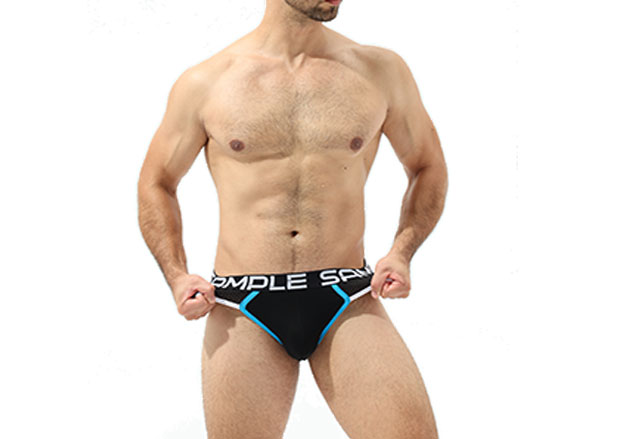
Part of T-Shirts, Undershirts & Tank Tops in Finetex Talk — buyer questions answered by the Finetex editorial team.
A brand's white T-shirt sells well in black and grey, but customers say the white version is see-through, especially in daylight. The team wants a white tee that looks more opaque without making it too heavy.
Short answer: White fabric looks transparent mainly because light passes through gaps between yarns and through thin yarns, and because there is no dye to absorb light. The main fixes are a denser fabric and the right yarn: a higher finished GSM, a tighter knit with more stitches per centimetre, a finer combed or compact yarn that fills the structure more evenly, or a different structure such as interlock or double knit. Optical brighteners and full bleaching can make white look brighter but do not fix see-through fabric. Some brands use a slightly heavier fabric only for white, or add a lining or double layer at the front. Compare candidates by holding swatches over a dark printed card under daylight and by a simple light-box check, then confirm on fitted samples.
Why white looks see-through
- No dye to absorb light, so gaps and thin areas show.
- Loose knit or low GSM.
- Uneven or hairy yarn creating thin spots.
- Stretching across the body opens the structure further.
How to improve opacity
- Increase finished GSM, for example from 160 to 200 or more.
- Tighter stitch length or higher machine gauge.
- Compact or combed yarns.
- Interlock, double knit or heavier rib structures.
- A double layer at the chest for fitted styles.
How to compare
- Lay swatches over a black-and-white printed card and photograph in daylight.
- Check stretched fabric, since opacity drops when worn.
- Compare GSM and dimensional change with ISO 5077 so the heavier fabric still meets fit.
A worked example
The brand tests its 165 GSM white against a 200 GSM tighter jersey and a 190 GSM interlock. The 200 GSM jersey covers the card text well and keeps the same hand; the interlock is the most opaque but feels warmer. The brand switches white to the 200 GSM jersey, keeping colours on the original fabric.
Communicating with customers
If white stays slightly translucent by design, as with lightweight summer tees, say so on the product page and show the shirt worn in daylight. Clear photos and a fabric weight in the description reduce disappointment and returns more than a vague promise of being opaque.
Limits
No knit cotton tee is fully opaque in every light. Body shape, fit and the wearer's skin and underwear colour all change perception.
Facts, recommendations and uncertainty
Established: opacity comes mainly from fabric density and yarn evenness, not from brighteners. Recommendation: use a denser fabric or structure for white and compare stretched swatches. Uncertain: how opaque your customers expect a white tee to be.
Sources and further reading
- ISO 3801:1977 — Mass per unit length and mass per unit area (woven fabrics)
- ISO 5077:2007 — Determination of dimensional change in washing and drying
Standards and regulations are referenced by their published scope. Test parameters, cycles and pass levels should be agreed with your laboratory for the specific product; legal requirements should be confirmed for each destination market.
Three more perspectives
Ask the mill whether the same quality can be knitted tighter for white, and request GSM and width data. Check whether a separate white quality changes the minimum and price. Make sure the white fabric matches colours in feel so the range is consistent. Ask for a white fabric strike-off before committing to bulk, and photograph it over the printed card so the comparison is recorded for reorders. Confirm the white is the same bleach and brightener route each time.
Sample white on two or three denser options and fit them on testers. Check that the heavier fabric does not change fit or shrinkage. Consider design options such as a more relaxed fit, which stretches the fabric less across the chest. Fit the white sample on testers with different skin tones and in daylight, not only on a hanger, since this is where complaints come from. Check that a heavier white still drapes like the coloured versions.
Check white lots for GSM, evenness and thin spots against the approved swatch. Hold fabric up to light at inspection to spot thin areas or uneven yarn. Record GSM by lot so drift is visible. Keep a reference white swatch away from light, because whites yellow over time and comparisons drift. Check for brightener differences under UV light in the booth.
Related products
Related articles
- White Undershirt Quality for Buyers: Opacity, Whiteness, and Wash Tests
- Heavyweight T-Shirt Manufacturing: What 220, 240 and 280 GSM Actually Change
- What Are the Best White Label Underwear Manufacturers in Switzerland: How to Read the Lists (and What They Leave Out)
- Heavyweight T-Shirts for Streetwear: Sourcing the 200+ GSM Story
- T-Shirt GSM for E-Commerce: Choosing Fabric Weight by Season and Price Point
- White Label vs Private Label Underwear: What Each Model Really Means
- Men's Undershirt Manufacturing in China: Necklines, Weights and the White-Opacity Problem
← More in T-Shirts, Undershirts & Tank Tops · All Talk topics · Ask us about your programme
More factory-floor notes for brand owners

What should I check on a novelty hoodie such as an eye-mask hood?
What to check on a novelty hoodie such as an eye-mask hood: hood structure and lining, visibility and…
Read more →How should I size a unisex hoodie?
How to size a unisex hoodie: choosing a base block, body measurement ranges, ease, sleeve and body length,…
Read more →What care instructions should a hoodie carry?
What care instructions a hoodie should carry: the elements of a complete washing instruction, warnings for prints and…
Read more →
How do I match colour across hoodie and jogger sets?
How to match colour across hoodie and jogger sets: same fabric lot, rib and trims, dyeing method, shade…
Read more →How many colourways can I order at hoodie MOQ?
How many colourways a hoodie order can include at MOQ: how factories set minimums per style, colour and…
Read more →Why does a dark hoodie stain other clothes?
Why dark hoodies stain other clothes: dye bleeding in washing, rubbing transfer, perspiration, unfixed dye and pigment, and…
Read more →Request a sample & pricing information
Send us your tech pack, target price or a reference sample — we reply with a quotation, a realistic lead time and a fabric recommendation within one working day.
- Free sampling plan & cost breakdown
- MOQ from 300 pcs per style
- Reply within 1 working day