
What stitch density should underwear seams have?
What stitch density underwear seams should have: what stitches per inch means, how it affects stretch and strength, how to specify it per seam and how…
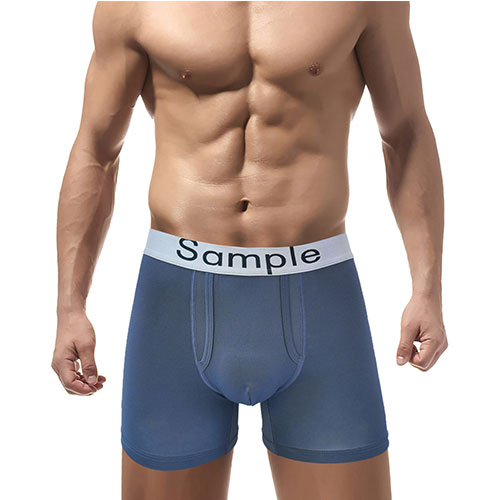
Part of Underwear Fit, Styles & Construction in Finetex Talk — buyer questions answered by the Finetex editorial team.
A buyer notices that some seams on boxer brief samples look loose and others look very dense. The team wants to know what stitch density underwear seams should have and how to put it in the specification.
Short answer: Stitch density is the number of stitches in a set length of seam, usually stated as stitches per inch (SPI) or per centimetre. It affects how strong the seam is, how much it can stretch before stitches break, and how the seam looks and feels. There is no single correct number for underwear; it depends on the stitch type, thread, fabric and the position of the seam. The practical approach is to agree a target and range for each seam type with the factory, based on approved samples, write it in the specification, and check it in inspection, together with seam stretch after washing.
What stitch density does
- Too few stitches: weaker seams, visible gaps and higher risk of seam slippage or open seams.
- Too many stitches: the seam can become stiff, pucker, or damage fine knit fabrics by cutting yarns.
- On stretch seams, density and stitch type together decide how far the seam stretches before thread breaks.
Seam types in underwear
- Overlock: joins panels; must stretch with the fabric.
- Coverstitch: hems and leg openings; affects comfort and appearance.
- Flatlock: flat seams for comfort against the skin.
- Zigzag: attaching elastics.
Each type needs its own density target, so one number for the whole garment is not useful.
How to specify it
- List each seam with its stitch type, density target and acceptable range.
- Specify the thread type and size.
- Base the numbers on the approved sample, not on a generic table.
Testing seam stretch
Stretch the seam area to the extension the garment sees in wear and check for cracking stitches. For elastic areas, compare stretch and recovery with a method such as ASTM D4964. Repeat after washing to an agreed ISO 6330 procedure, since threads and fabric can change.
Checking in inspection
Count stitches over a measured length on several seams per sample. Include seam density and broken stitches in the defect list used with AQL sampling.
A worked example
A brand finds side seams popping when customers pull briefs on. The specification says 12 stitches per inch, but inspection shows bulk running at about 9 on some machines. Fewer stitches mean less thread in the seam, so it stretches less before breaking. Adding a checked stitch count per machine at the start of each shift, and a simple stretch test on a seam sample, catches the drift early.
Limits
Stitch density alone does not guarantee seam quality. Thread tension, needle size and machine setting matter too.
Facts, recommendations and uncertainty
Established: stitch density affects seam strength, stretch and appearance, and needs a target per seam type. Recommendation: specify density with ranges based on approved samples and check it in inspection. Uncertain: the best number for your fabric until samples are tested.
Sources and further reading
- ASTM D4964 — Tension and elongation of elastic fabrics
- ISO 6330:2021 — Domestic washing and drying procedures for textile testing
- ISO 2859-1:2026 — Sampling procedures for inspection by attributes (AQL)
Standards and regulations are referenced by their published scope. Test parameters, cycles and pass levels should be agreed with your laboratory for the specific product; legal requirements should be confirmed for each destination market.
Three more perspectives
Ask the factory to state the stitch type, density and thread for each seam on its technical sheet. Compare quotes on the same basis, because a cheaper quote can mean lower density or a different thread. Include seam requirements in the purchase specification and ask for any change to be approved in writing before bulk. Where several factories make the same style, a shared seam table keeps results comparable.
In product development, test seams on the actual fabric, since fine modal or micro fibre jersey reacts differently from cotton. If seams crack when stretched, look at stitch type, density and thread elasticity together. Record the approved settings per seam so repeat orders and other factories can match them. Sample a short length of each seam on fabric offcuts first, so density changes can be compared side by side before a full sample is sewn.
In inspection, count stitches over a measured length with a ruler and magnifier, and check several seams on each sampled piece. Stretch seams by hand to check for cracking. Classify open seams and broken stitches as defects under the agreed AQL. Measure a few pieces after washing to confirm seams stay intact. Note the machine and line where defects appear, because a single badly set machine often explains a cluster of seam faults.
Related products
Related articles
← More in Underwear Fit, Styles & Construction · All Talk topics · Ask us about your programme
More factory-floor notes for brand owners

What should I check on a novelty hoodie such as an eye-mask hood?
What to check on a novelty hoodie such as an eye-mask hood: hood structure and lining, visibility and…
Read more →How should I size a unisex hoodie?
How to size a unisex hoodie: choosing a base block, body measurement ranges, ease, sleeve and body length,…
Read more →What care instructions should a hoodie carry?
What care instructions a hoodie should carry: the elements of a complete washing instruction, warnings for prints and…
Read more →
How do I match colour across hoodie and jogger sets?
How to match colour across hoodie and jogger sets: same fabric lot, rib and trims, dyeing method, shade…
Read more →How many colourways can I order at hoodie MOQ?
How many colourways a hoodie order can include at MOQ: how factories set minimums per style, colour and…
Read more →Why does a dark hoodie stain other clothes?
Why dark hoodies stain other clothes: dye bleeding in washing, rubbing transfer, perspiration, unfixed dye and pigment, and…
Read more →Request a sample & pricing information
Send us your tech pack, target price or a reference sample — we reply with a quotation, a realistic lead time and a fabric recommendation within one working day.
- Free sampling plan & cost breakdown
- MOQ from 300 pcs per style
- Reply within 1 working day