
How do I avoid barcode and size label errors in underwear orders?
How to avoid barcode and size label errors in underwear orders: one GTIN per size and colour, master data, artwork checks, scanning at packing, carton labels…
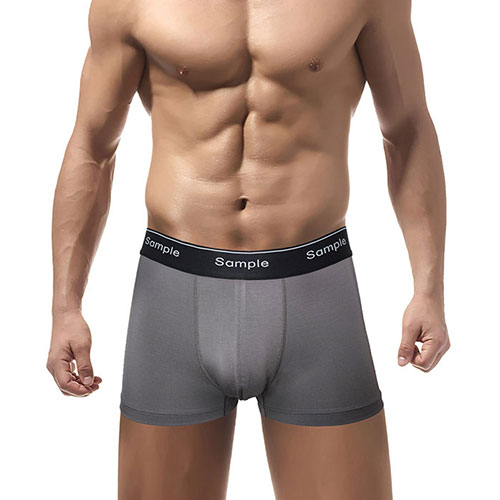
Part of Waistbands, Labels, Printing & Packaging in Finetex Talk — buyer questions answered by the Finetex editorial team.
A retailer rejected part of a delivery because medium boxer briefs carried the large barcode, and some packs showed the wrong size sticker. The factory blamed a mix-up in labels. The team wants a process that stops this happening.
Short answer: Barcode and size errors usually come from one of three places: wrong master data, wrong artwork, or wrong application at packing. GS1 guidance is that every size and colour combination needs its own GTIN, so the first step is a single master list that links style, colour, size and GTIN. Errors creep in when this list is copied by hand into artwork, when label rolls for different sizes are stored together, or when packers apply labels without scanning. Prevent them with one controlled master list, artwork generated from it and checked by scanning, label rolls separated and marked by size, scanning at packing, and a final scan check during inspection.
Where errors happen
- Master data: GTIN assigned to the wrong size or colour.
- Artwork: barcode copied incorrectly or wrong file used.
- Printing: label rolls for different sizes mixed.
- Packing: wrong label applied to the wrong pack.
- Reorders: old artwork reused after a change.
Master data
- Keep one list of style, colour, size and GTIN.
- Lock the list once approved and change it only through a controlled process.
- Share the same file with the factory, label printer and warehouse.
Artwork and printing
- Generate barcodes from the master list, not by retyping numbers.
- Scan proofs and printed samples to check the number and readability.
- Print size clearly next to the barcode.
Packing
- Store label rolls in separate, marked bins per size and colour.
- Pack one size and colour at a time.
- Scan the first piece of each run and a sample during packing.
Marketplace labels
If you sell through Amazon FBA, its prep guide requires a scannable barcode on each unit, readable without opening the packaging. Cover other scannable codes that could be read by mistake.
Inspection
- Scan sampled units and compare with the size on the garment label.
- Check carton labels against packing lists.
A worked example
For the rejected delivery, check the master list first. If medium and large GTINs were swapped there, every label printed from it is wrong; if the list is correct, look at label storage and packing. Fix the source, then relabel affected stock after checking every unit.
Reorders and changes
Many errors appear on reorders, when old artwork or old label stock is used after a size or colour change. Withdraw superseded files and label stock, and check label rolls against the current master list before each run.
Limits
Process controls reduce errors but cannot remove them. Inspection scanning remains necessary.
Facts, recommendations and uncertainty
Established: each size and colour needs its own GTIN, and errors come from data, artwork or packing. Recommendation: use one controlled master list, scan at artwork, packing and inspection. Uncertain: retailer penalties, which differ.
Sources and further reading
- GS1 — How many GTINs for a product with many sizes and colours
- Amazon — Packaging and Shipping Inventory to Amazon (FBA prep guide)
Standards and regulations are referenced by their published scope. Test parameters, cycles and pass levels should be agreed with your laboratory for the specific product; legal requirements should be confirmed for each destination market.
Three more perspectives
Ask the factory and label printer to work from your master list only, and include it as an attachment to the purchase order. Require scanned proof approval before label printing. Ask how the factory stores and issues label rolls. Agree who pays for relabelling if labels are wrong. Check retailer vendor manuals for barcode and label requirements before ordering. Ask the factory to return or destroy leftover labels from previous orders once a style changes, and to confirm this in writing.
In product and packaging development, assign GTINs as soon as the size and colour range is fixed, and lock the master list. Generate artwork from the list and scan every proof. Show size clearly on the pack beside the barcode. When a style changes, issue a new artwork version and withdraw the old files from the factory. Use clear size text in a large font beside the barcode, so packers can check by eye as well as by scanner.
In inspection, scan a sample of units from every size and colour and compare with the garment label and pack size. Check that label rolls in the packing area are separated by size. Check carton labels against the packing list. Record any errors and stop packing until the cause is found, then recheck affected cartons. Keep a short scan log with style, colour, size and result for each inspection, so you can show retailers that checks were done.
Related products
← More in Waistbands, Labels, Printing & Packaging · All Talk topics · Ask us about your programme
More factory-floor notes for brand owners

Why did my reorder price go up?
Why an apparel reorder price can go up: fabric and trim costs, smaller quantities, specification changes, labour and…
Read more →
How do I read an underwear quotation line by line?
How to read an underwear quotation line by line: fabric, elastic and trims, labour, packaging, testing, overheads and…
Read more →
How do peak seasons affect apparel factory capacity?
How peak seasons and holidays affect apparel factory capacity and lead times, why fabric and shipping are also…
Read more →
Should I split one style across two factories?
Whether to split one apparel style across two factories: the benefits for capacity and risk, the risks for…
Read more →
What are the biggest risks on a small brand’s first order?
The biggest risks on a small brand's first apparel order, from unclear specifications and sample approval to payment,…
Read more →
What changes should a factory notify before production?
Which changes a factory should notify the buyer about before production, such as fabric, dye, trims, subcontracting or…
Read more →Request a sample & pricing information
Send us your tech pack, target price or a reference sample — we reply with a quotation, a realistic lead time and a fabric recommendation within one working day.
- Free sampling plan & cost breakdown
- MOQ from 300 pcs per style
- Reply within 1 working day