
How durable are bamboo viscose undershirts?
How durable bamboo viscose undershirts are: wet strength, pilling, holes, shrinkage, fabric blends and weight, labelling, and how to specify and test before bulk.
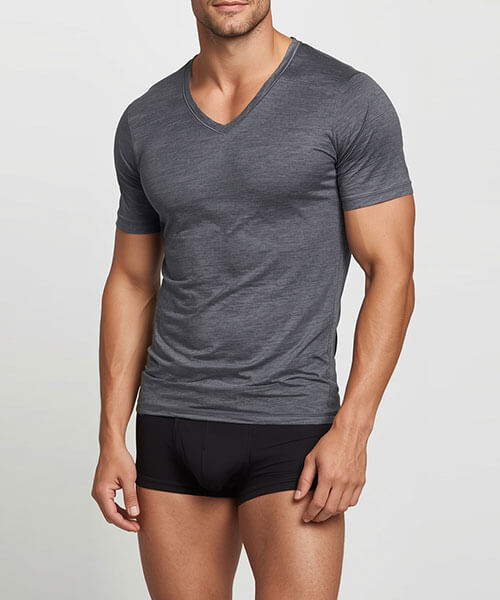
Part of T-Shirts, Undershirts & Tank Tops in Finetex Talk — buyer questions answered by the Finetex editorial team.
A brand loves the soft feel of a bamboo viscose undershirt sample, but a retail buyer warns that bamboo undershirts get holes and lose shape quickly. The brand wants to understand the risk and how to reduce it.
Short answer: Most bamboo undershirts are made of viscose (rayon) regenerated from bamboo pulp, not bamboo fibre; in the US the FTC says such products should be labelled as rayon or rayon made from bamboo. Durability therefore follows viscose behaviour. Viscose is very soft and drapes well, but it is weaker when wet than when dry, so aggressive washing, wringing and tumble drying can stretch, pill or tear it sooner than cotton. Thin single jersey in 100% viscose is the most vulnerable. Durability improves with a sensible fabric weight, a blend with cotton, or with some elastane for recovery, a tighter knit, good yarn quality and gentle finishing. Specify and test pilling with ISO 12945-2, bursting strength with ISO 13938-2 and dimensional change with ISO 5077 on the bulk fabric, and give clear care instructions such as gentle wash and low or no tumble drying.
Typical problems
- Pilling and fuzzing at the underarm and sides.
- Small holes in thin fabric where it rubs.
- Growth or shrinkage and loss of shape after washing.
- Seams that pucker after tumble drying.
How to improve durability
- Avoid very light single jersey for undershirts worn daily.
- Consider viscose/cotton or viscose/elastane blends.
- Ask the mill about yarn count, twist and knit tightness.
- Avoid heavy softening treatments that weaken the surface.
Testing before bulk
- Pilling with ISO 12945-2.
- Bursting strength with ISO 13938-2.
- Dimensional change with ISO 5077 after washing as on the care label.
- Wear trials for several weeks with normal washing.
Labelling
Label fibre content correctly, for example viscose or rayon from bamboo, and avoid claiming natural antibacterial properties without evidence.
A worked example
As an illustration, if a 100% viscose sample pills at the underarm in a wear trial, the brand could test a viscose/cotton blend in a slightly heavier weight and compare pilling and bursting results side by side before choosing.
Care instructions that help
Gentle washing, washing inside out, avoiding wringing and drying flat or on a low tumble setting all extend the life of viscose garments. Put the instructions on the care label and the product page, and make sure the care label matches what your tests showed the garment can withstand.
Limits
Customer washing habits strongly affect viscose life, so results vary in use.
Facts, recommendations and uncertainty
Established: bamboo undershirts are usually viscose, which is weaker when wet. Recommendation: choose suitable weight and blends, test and give clear care advice. Uncertain: how long garments last with each customer's laundry habits.
Sources and further reading
- U.S. FTC — How to Avoid Bamboozling Your Customers (bamboo and rayon claims)
- ISO 12945-2:2020 — Pilling, fuzzing or matting, modified Martindale method
- ISO 13938-2:2019 — Bursting strength and bursting distension of fabrics, pneumatic method
- ISO 5077:2007 — Determination of dimensional change in washing and drying
Standards and regulations are referenced by their published scope. Test parameters, cycles and pass levels should be agreed with your laboratory for the specific product; legal requirements should be confirmed for each destination market.
Three more perspectives
Ask the mill for the fibre source documentation and test reports for the exact fabric quality. Compare blends and weights on price and lead time. Make sure product listings use correct fibre names, since bamboo labelling is regulated in the US and elsewhere. Ask the factory about its experience sewing viscose jersey, since thin viscose needs suitable needles and stitch settings to avoid needle damage and seam puckering. Plan a replacement policy in case early batches show weaknesses.
Wear-test 100% viscose and blended samples side by side through several washes. Check feel, pilling and shape. Choose the softest fabric that still passes your durability checks, and record the approved quality, weight and blend. Check the fit after five or more washes, because viscose can grow in length and shrink in width, changing the fit the customer bought. Adjust the pattern allowance if needed.
Test each bulk fabric lot for pilling and dimensional change against the approved results. Inspect garments for thin places and knitting faults. Track customer returns by fabric lot to spot weak lots early. Check seams under magnification for needle holes, which can grow into holes in wear. Compare washed garments with the approved washed sample and record results by lot.
Related products
Related articles
- Bamboo Underwear Manufacturing: Viscose, Lyocell and the Claim That Gets Challenged
- Sustainable Undershirts: Marketing Organic Cotton and Bamboo Honestly
- Undershirt Fabrics for E-Commerce: Cotton, Bamboo, Modal, and TENCEL Compared
- Bamboo T-Shirt Manufacturing: Where the Fibre Works and Where It Disappoints
- Which Fabric Is Best for Men's Underwear: Cotton, Modal, Bamboo or Nylon: A Manufacturer's Comparison
- Who are the top bamboo clothing manufacturers: How to Read the Lists (and What They Leave Out)
- Who Are the Leading Bamboo Clothing Manufacturers in the USA: Supply Chain and Sourcing Explained for Buyers
- Bamboo Underwear for E-Commerce: Marketing Claims vs. Reality
← More in T-Shirts, Undershirts & Tank Tops · All Talk topics · Ask us about your programme
More factory-floor notes for brand owners
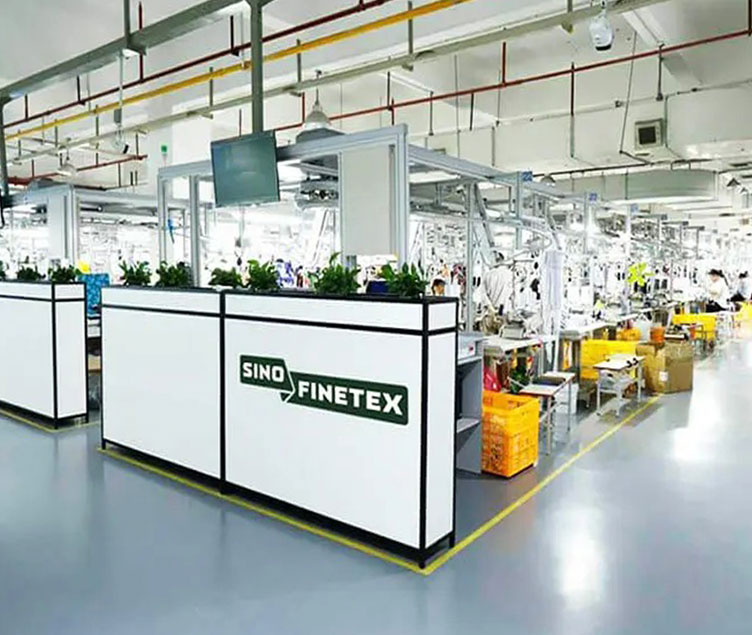
Why did my reorder price go up?
Why an apparel reorder price can go up: fabric and trim costs, smaller quantities, specification changes, labour and…
Read more →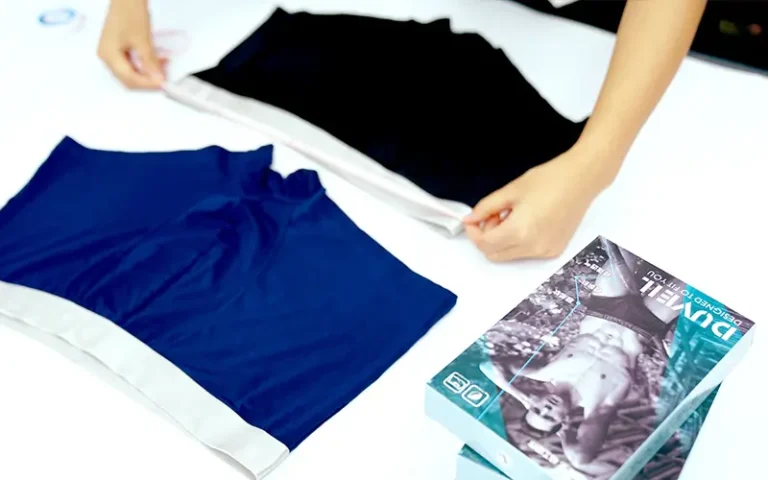
How do I read an underwear quotation line by line?
How to read an underwear quotation line by line: fabric, elastic and trims, labour, packaging, testing, overheads and…
Read more →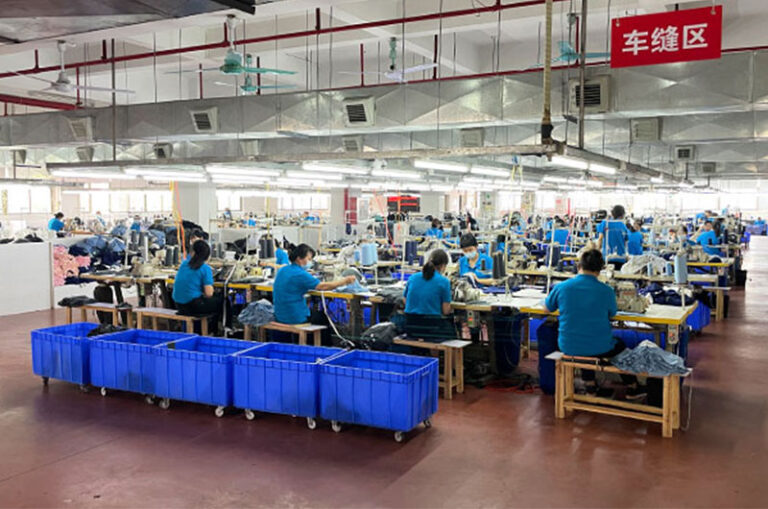
How do peak seasons affect apparel factory capacity?
How peak seasons and holidays affect apparel factory capacity and lead times, why fabric and shipping are also…
Read more →
Should I split one style across two factories?
Whether to split one apparel style across two factories: the benefits for capacity and risk, the risks for…
Read more →
What are the biggest risks on a small brand’s first order?
The biggest risks on a small brand's first apparel order, from unclear specifications and sample approval to payment,…
Read more →
What changes should a factory notify before production?
Which changes a factory should notify the buyer about before production, such as fabric, dye, trims, subcontracting or…
Read more →Request a sample & pricing information
Send us your tech pack, target price or a reference sample — we reply with a quotation, a realistic lead time and a fabric recommendation within one working day.
- Free sampling plan & cost breakdown
- MOQ from 300 pcs per style
- Reply within 1 working day