
Why does black or navy underwear fade faster than lighter colours?
Why black and navy underwear fade or turn grey faster than lighter colours, and how dye class, fabric, washing and testing help control it.
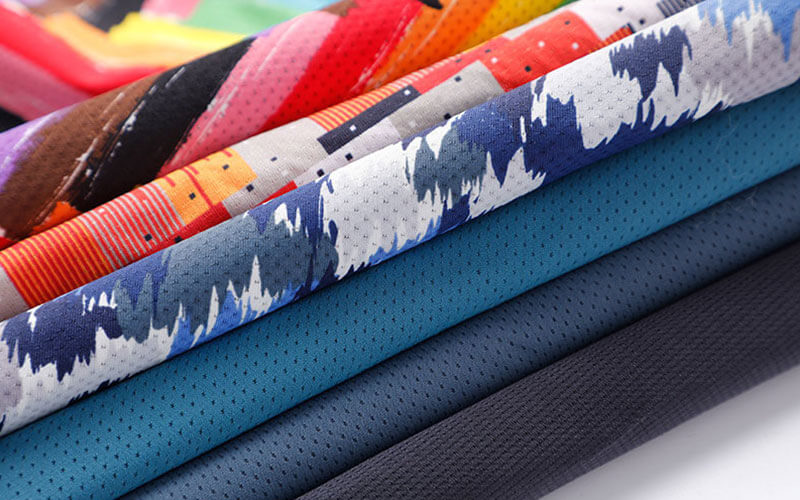
Part of Underwear Fabrics & Comfort in Finetex Talk — buyer questions answered by the Finetex editorial team.
A brand's black boxer briefs look grey after a few months, while the white and light grey versions look fine. Customers are complaining about fading.
Short answer: Dark colours show fading more because every bit of lost dye and surface fibre damage is visible. Fading comes from dye loss in washing, surface abrasion that exposes lighter fibres, detergents and drying heat. Choosing suitable dyes, testing colourfastness and setting clear care instructions reduce the problem.
Why dark shades fade
Dark shades need higher dye concentrations. If dye fixation or washing-off after dyeing is incomplete, more dye can leave in early washes. Abrasion lifts fibres and creates a frosty surface that looks lighter. Alkaline detergents, high temperatures and optical brighteners can accelerate change.
Factors to check
- Dye class and fixation process for the fibre.
- Fabric surface: smooth filament fabrics hide abrasion better than spun yarns.
- Care routine: hot washes and tumble drying increase fading.
- Detergent type: some contain brighteners or bleaching agents.
Steps
- Test colourfastness to washing using ISO 105-C06 and assess colour change with the grey scale (ISO 105-A02).
- Wash garments several times to an agreed procedure and compare with retained standards.
- Include care advice such as cooler washes and washing dark colours inside out.
Limits
All dyed fabrics change over time. The goal is to keep change within an agreed level. Avoid claims like "never fades".
Fading versus greying
Two different effects are often described as fading. True dye loss makes the whole garment lighter and may stain other items in the wash. Greying or frosting appears mainly in friction zones such as the seat and inner thigh, where fibre ends are lifted and scatter light. The first points to dyeing and fixation; the second to yarn, fabric surface and abrasion. Looking at where the colour change appears is the quickest way to tell them apart.
Why reorders of black often look different
Black is rarely a single dye; it is usually built from several dyes to reach depth, and small differences in fabric preparation, water, liquor ratio or dye lot can shift it towards green, red or blue. On a new garment the difference may be slight, but after several washes, when part of the surface dye has been lost and fibre ends are raised, each lot can age differently. That is why approving a dark shade only by its first appearance is risky.
What to specify for dark colours
- A minimum grade for colour change and staining after washing, with the method named, such as ISO 105-C06.
- Rubbing fastness, dry and wet, because dark shades rub onto light trims and outerwear.
- A shade standard and an agreed tolerance for lot-to-lot difference.
- Care instructions that support colour retention: washing inside out, with similar colours, at moderate temperature.
Facts, recommendations and uncertainty
Established: darker shades show dye loss and abrasion more clearly. Recommendation: test fastness and set care instructions. Uncertain: how quickly fading appears for each customer, which depends on washing habits.
Sources and further reading
- ISO 105-C06:2010 — Colour fastness to domestic and commercial laundering
- ISO 105-A02:1993 — Grey scale for assessing change in colour
- ISO 6330:2021 — Domestic washing and drying procedures for textile testing
Standards and regulations are referenced by their published scope. Test parameters, cycles and pass levels should be agreed with your laboratory for the specific product; legal requirements should be confirmed for each destination market.
Three more perspectives
Specify minimum colourfastness grades for washing, and for dark colours also rubbing, in the purchase order. Dark core colours are reordered often, so ask the mill which dye class and recipe it uses and whether it will keep the same recipe and dyehouse for reorders. A mill that changes dye supplier without notice can still pass a lab test while producing a black that ages differently in customers' drawers.
For dark core colours, consider fabrics with smoother, longer-staple or filament yarns that hide surface wear better. The colour choice and the fibre choice work together. A compact or combed yarn shows less greying from raised fibre ends than a coarser open-end yarn, and a modal or modal blend often keeps a deeper look after washing than a basic cotton jersey in the same shade.
Compare complaint samples with retained garments from the same lot after identical washing. If the retained piece also fades, review dye selection and fixation with the mill; if it does not, the customer's wash routine may be the main cause. Grading both with the grey scale makes the comparison objective, and photographing them together helps the conversation with both the mill and the customer service team.
Related products
Related articles
← More in Underwear Fabrics & Comfort · All Talk topics · Ask us about your programme
More factory-floor notes for brand owners

Why did my reorder price go up?
Why an apparel reorder price can go up: fabric and trim costs, smaller quantities, specification changes, labour and…
Read more →
How do I read an underwear quotation line by line?
How to read an underwear quotation line by line: fabric, elastic and trims, labour, packaging, testing, overheads and…
Read more →
How do peak seasons affect apparel factory capacity?
How peak seasons and holidays affect apparel factory capacity and lead times, why fabric and shipping are also…
Read more →
Should I split one style across two factories?
Whether to split one apparel style across two factories: the benefits for capacity and risk, the risks for…
Read more →
What are the biggest risks on a small brand’s first order?
The biggest risks on a small brand's first apparel order, from unclear specifications and sample approval to payment,…
Read more →
What changes should a factory notify before production?
Which changes a factory should notify the buyer about before production, such as fabric, dye, trims, subcontracting or…
Read more →Request a sample & pricing information
Send us your tech pack, target price or a reference sample — we reply with a quotation, a realistic lead time and a fabric recommendation within one working day.
- Free sampling plan & cost breakdown
- MOQ from 300 pcs per style
- Reply within 1 working day