
Does recycled polyester underwear perform the same as virgin polyester?
Does recycled polyester underwear perform like virgin polyester? What can differ, how to verify recycled content and how to test feel and durability.
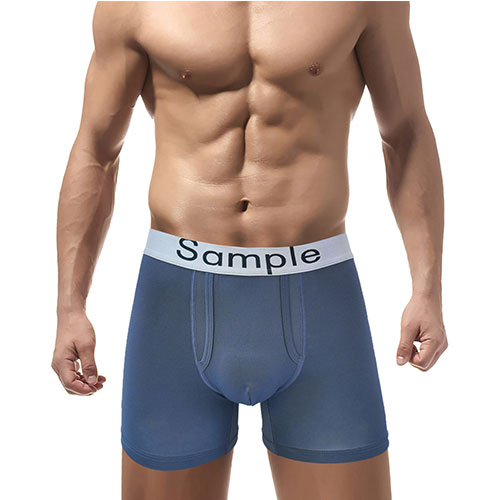
Part of Underwear Fabrics & Comfort in Finetex Talk — buyer questions answered by the Finetex editorial team.
A sustainable brand wants to switch its polyester boxer briefs to recycled polyester. The product team worries that the fabric will feel or wear differently.
Short answer: Recycled polyester can perform very similarly to virgin polyester when it is spun and knitted to the same specification, because the polymer is chemically the same type. Differences, when they appear, usually come from yarn quality, filament consistency, dyeing behaviour or the mill's processing rather than from recycling itself. Test the specific fabric, and verify the recycled content claim.
What can differ
Mechanically recycled polyester from bottles or textiles can vary in polymer quality between batches, which may affect yarn evenness and dye uptake. Some mills blend recycled and virgin polymer. Chemically recycled polyester aims to restore polymer quality closer to virgin. The finished fabric's hand also depends on denier, filament count, texturing and finishing, which can be matched to an existing specification.
Steps
- Request the same yarn specification as your current fabric: denier, filament count and texture.
- Compare samples in the same pattern for hand, stretch recovery and colour.
- Test pilling and, for performance lines, moisture management before and after washing.
- Check shade consistency across lots, as recycled polymer can dye slightly differently.
Verifying the claim
Recycled content claims should be supported by documentation such as a recognised recycled-content certification and transaction records. Labels still name the fibre as polyester; the recycled claim is an additional statement that must be accurate and verifiable.
Limits
Do not claim environmental benefits beyond what you can document. "Recycled" describes the source of the polymer, not durability or performance.
Mechanical and chemical recycling
Most recycled polyester in apparel today comes from mechanically recycled PET bottles: the material is cleaned, melted and re-extruded into fibre. Chemically recycled polyester breaks the polymer down further before it is rebuilt, which can give a fibre closer to virgin material and can accept some textile waste. The route affects price, availability and sometimes consistency, so ask which one your yarn uses rather than assuming.
What to test before switching
- Shade and shade consistency, because recycled feedstock can vary.
- Hand feel and surface after washing, compared with your current virgin fabric in the same construction.
- Moisture management if the product claims wicking, for example with AATCC TM195.
- Pilling after washing in high-friction zones.
If results match your current fabric, the change can usually be made without changing the pattern.
Facts, recommendations and uncertainty
Established: recycled and virgin polyester are the same polymer type. Recommendation: match the yarn specification and test the fabric. Uncertain: lot-to-lot consistency for a specific recycled source until several lots have been produced.
Sources and further reading
- ISO 12945-2:2020 — Pilling, fuzzing or matting, modified Martindale method
- AATCC TM195 — Liquid moisture management properties of textile fabrics
- U.S. FTC — Textile Fiber Products Identification Act
Standards and regulations are referenced by their published scope. Test parameters, cycles and pass levels should be agreed with your laboratory for the specific product; legal requirements should be confirmed for each destination market.
Three more perspectives
Ask the mill which recycled source is used and whether documentation can be issued for each order. Certification must cover the supply chain from the recycler to your product, so check that the spinner, knitter and garment factory are all within scope. Also ask about price stability and minimums: recycled yarn availability can be tighter in some counts and colours, which matters for core styles with frequent reorders.
Keep the same fabric construction and finishing when switching to recycled yarn, so any difference customers notice can be traced to the yarn rather than to several changes at once. If you want to tell the recycled story, decide early whether the claim covers the whole garment or only the body fabric, because elastic, thread and labels are often still virgin material and the wording must reflect that.
Compare shade and hand on each new lot against the approved standard. Recycled yarns may need closer lot approval during the first few production runs. Keep certificates and transaction documents with each lot so claims can be supported, and re-check composition on lab reports when a new supplier is introduced, since the recycled percentage on paper must match what was actually spun.
Related products
Related articles
- Recycled Fabric Underwear: Mechanical, Chemical and the Content Claim You Can Actually Make
- Can hemp blend underwear improve comfort and performance OEM guide: What the Evidence Shows
- Performance Underwear Manufacturing: Specifying Moisture, Odour and Support Claims You Can Test
- Cotton Fleece vs Polyester Fleece: Which Fabric Is Best — A Technical and Performance Buyer's Guide
- Is Polyester or Cotton Warmer? The Ultimate Textile Engineering & Performance Guide: What the Evidence Shows
← More in Underwear Fabrics & Comfort · All Talk topics · Ask us about your programme
More factory-floor notes for brand owners

What should I check on a novelty hoodie such as an eye-mask hood?
What to check on a novelty hoodie such as an eye-mask hood: hood structure and lining, visibility and…
Read more →How should I size a unisex hoodie?
How to size a unisex hoodie: choosing a base block, body measurement ranges, ease, sleeve and body length,…
Read more →What care instructions should a hoodie carry?
What care instructions a hoodie should carry: the elements of a complete washing instruction, warnings for prints and…
Read more →
How do I match colour across hoodie and jogger sets?
How to match colour across hoodie and jogger sets: same fabric lot, rib and trims, dyeing method, shade…
Read more →How many colourways can I order at hoodie MOQ?
How many colourways a hoodie order can include at MOQ: how factories set minimums per style, colour and…
Read more →Why does a dark hoodie stain other clothes?
Why dark hoodies stain other clothes: dye bleeding in washing, rubbing transfer, perspiration, unfixed dye and pigment, and…
Read more →Request a sample & pricing information
Send us your tech pack, target price or a reference sample — we reply with a quotation, a realistic lead time and a fabric recommendation within one working day.
- Free sampling plan & cost breakdown
- MOQ from 300 pcs per style
- Reply within 1 working day