
Can I reuse my underwear pattern with a new fabric?
Whether an underwear pattern can be reused with a new fabric: why stretch, weight and shrinkage change the fit, which tests to run and which pattern…
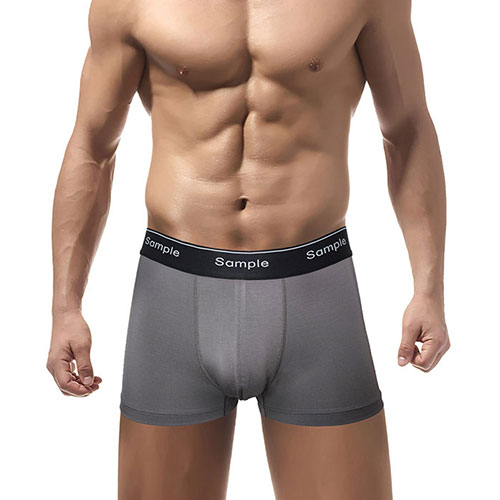
Part of Underwear Fit, Styles & Construction in Finetex Talk — buyer questions answered by the Finetex editorial team.
A brand has a well-fitting cotton-elastane boxer brief and wants to make the same style in micro modal. The team hopes to reuse the existing pattern and wants to know whether that will work.
Short answer: You can often start from the existing pattern, but you should not assume it will fit the same in a new fabric. Knit fabrics differ in stretch, recovery, weight, drape and shrinkage, and underwear patterns rely on these properties because they fit close to the body. A softer, stretchier fabric such as micro modal may need less width or different negative ease, while a fabric with more shrinkage needs allowance. Test the new fabric's stretch and shrinkage, make a sample from the existing pattern, fit it and adjust before approving.
Why the same pattern fits differently
- Stretch: more stretch means the garment grows more on the body.
- Recovery: lower recovery means the garment can loosen during wear.
- Weight and drape: lighter fabrics cling and show shape differently.
- Shrinkage: different fabrics shrink different amounts after washing.
Tests to run on the new fabric
- Stretch and recovery, for example with ASTM D4964.
- Dimensional change after washing to an agreed ISO 6330 procedure, measured with ISO 5077.
- Compare results with the original fabric.
Points that often need adjusting
- Waist and hip width.
- Leg opening and leg length.
- Pouch shape and volume.
- Elastic lengths, which may need to change with fabric stretch.
Sampling process
- Make a sample in the new fabric from the existing pattern.
- Fit it on the same fit models and compare with the original.
- Wash and refit.
- Adjust the pattern and repeat if needed.
A worked example
A cotton-elastane jersey and a micro modal jersey of similar weight can behave very differently. If the modal stretches noticeably further at the same load and recovers less, the same waist and hip widths will feel looser and may grow during the day. A common first step is to reduce width at hip and leg opening in small steps, sample again, and check whether the waistband elastic now feels too firm against the softer body fabric. Decide the amounts from your own test data and fittings, not from a fixed rule.
Keep versions separate
Store the adjusted pattern as a separate version linked to the new fabric, so the two are not mixed up. Note the fabric reference on the pattern, the specification and the order.
Elastics and trims
The new fabric may need different elastics, threads or stitch settings. A soft modal fabric can be overpowered by a firm elastic that suited heavier cotton, and the waistband may roll or dig in. Review trims together with the pattern rather than separately.
Limits
Fabric test results guide adjustments but do not replace fitting on people. Fabric lots can also vary.
Facts, recommendations and uncertainty
Established: different knit fabrics change fit because of stretch, recovery and shrinkage. Recommendation: test the new fabric and fit samples before reusing a pattern. Uncertain: how much adjustment is needed until samples are fitted.
Sources and further reading
- ASTM D4964 — Tension and elongation of elastic fabrics
- ISO 5077:2007 — Determination of dimensional change in washing and drying
- ISO 6330:2021 — Domestic washing and drying procedures for textile testing
Standards and regulations are referenced by their published scope. Test parameters, cycles and pass levels should be agreed with your laboratory for the specific product; legal requirements should be confirmed for each destination market.
Three more perspectives
Ask the fabric supplier for stretch, weight and shrinkage data on the new fabric, and ask the factory to test it on their side. Include the new fabric's specification in the order. Ask the factory to confirm in writing which pattern version will be used for each fabric. Allow time in the schedule for at least one extra fit round, since a new fabric rarely fits perfectly at the first sample. Ask whether the factory has made the style in this fabric before.
In product development, compare the new and old fabrics' test results and decide where the pattern may need changes. Fit samples on the same models and measure them before and after washing. Record changes as a new pattern version with the fabric reference. Check whether elastics and threads still suit the new fabric, as a softer fabric may need a softer elastic or different stitch settings. Review the size chart too, because the garment measurements may change.
In inspection, measure garments against the specification for the new fabric version, not the old one. Check that labels and fabric match the intended version. Wash a few pieces per lot and remeasure to confirm shrinkage stays in range. Keep sealed samples for each fabric version, so inspectors compare bulk with the right standard. Check fabric weight against the specification, because a lighter lot will change fit and feel.
Related products
Related articles
- Whats the difference between checkered and gingham patterns — Buyer's Guide
- What is the picnic pattern called: A Production-Side Explanation
- What are the most popular plaid patterns and their unique features: A Production-Side Explanation
- Men's Briefs Manufacturing in China: Pattern, Coverage and the Cost of Getting It Wrong
← More in Underwear Fit, Styles & Construction · All Talk topics · Ask us about your programme
More factory-floor notes for brand owners

What should I check on a novelty hoodie such as an eye-mask hood?
What to check on a novelty hoodie such as an eye-mask hood: hood structure and lining, visibility and…
Read more →How should I size a unisex hoodie?
How to size a unisex hoodie: choosing a base block, body measurement ranges, ease, sleeve and body length,…
Read more →What care instructions should a hoodie carry?
What care instructions a hoodie should carry: the elements of a complete washing instruction, warnings for prints and…
Read more →
How do I match colour across hoodie and jogger sets?
How to match colour across hoodie and jogger sets: same fabric lot, rib and trims, dyeing method, shade…
Read more →How many colourways can I order at hoodie MOQ?
How many colourways a hoodie order can include at MOQ: how factories set minimums per style, colour and…
Read more →Why does a dark hoodie stain other clothes?
Why dark hoodies stain other clothes: dye bleeding in washing, rubbing transfer, perspiration, unfixed dye and pigment, and…
Read more →Request a sample & pricing information
Send us your tech pack, target price or a reference sample — we reply with a quotation, a realistic lead time and a fabric recommendation within one working day.
- Free sampling plan & cost breakdown
- MOQ from 300 pcs per style
- Reply within 1 working day