
Why does seamless underwear have fewer sizes?
Why seamless underwear usually comes in fewer sizes: how seamless circular knitting works, why each machine gauge and tube diameter covers a size band, and what…
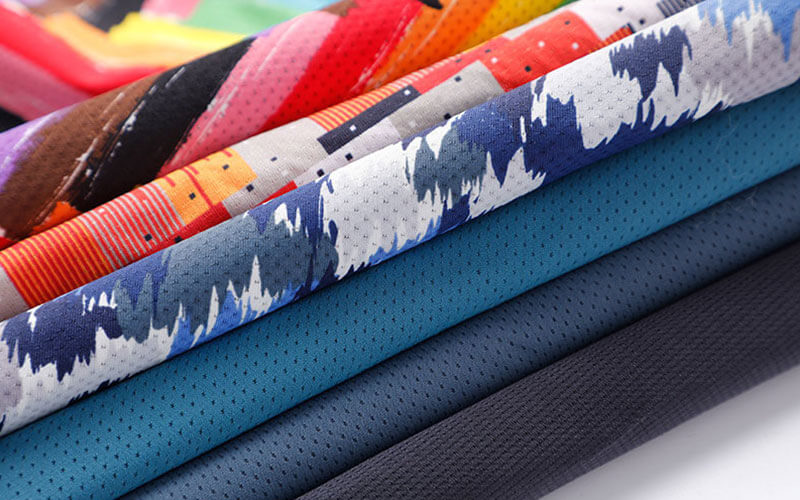
Part of Underwear Fit, Styles & Construction in Finetex Talk — buyer questions answered by the Finetex editorial team.
A brand is considering seamless boxer briefs and notices that most seamless products are offered in only three or four sizes, often S/M, L/XL and so on. The team wants to understand why and whether a wider size range is possible.
Short answer: Seamless underwear is knitted as a tube on circular knitting machines, with the shape and different zones created by changing stitches and yarn tension rather than by cutting and sewing panels. The tube diameter is fixed by the machine's cylinder, so one machine covers a band of body sizes, and fit is adjusted by knit structure and stretch rather than by pattern grading. Each extra size can mean a different machine diameter or a separate programme, plus its own sampling and testing, which raises cost and minimums. That is why seamless ranges usually have fewer, broader sizes. A wider range is possible but needs more development, and every size still has to be fit-tested.
How seamless knitting works
- A circular machine knits a tube in the body diameter it was built for.
- Zones such as the waistband, pouch and legs are formed by changing stitch type, density and yarn feed.
- The garment is then finished with minimal seams, usually at the crotch and sometimes the waistband.
Why fewer sizes
- Machine diameter: each cylinder size suits a range of body sizes.
- Programme development: each size needs its own knitting programme and samples.
- Stretch: seamless fabrics stretch a lot, so one size can cover more bodies.
- Minimums: each size adds setup time, so small runs per size are costly.
Trade-offs for customers
Broad sizes fit many people comfortably, but customers at the edges of a size band may find the fit too tight or too loose. Leg length and rise cannot change as much between sizes as in cut-and-sew garments.
How to widen the range
- Use more machine diameters, if the factory has them.
- Develop separate programmes for extra sizes.
- Combine seamless bodies with cut-and-sew waistbands or legs.
- Focus on sizes that cover most of your customers first.
Size charts
Give clear waist and hip ranges for each size, based on consistent body points such as those defined in ISO 8559-1. Be honest that one size covers a range.
Testing
Fit-test customers at both ends of each size band. Wash and measure with ISO 5077, since seamless garments can change dimensions after washing. Compare stretch and recovery between sizes with a method such as ASTM D4964.
Limits
The available sizes depend on the factory's machines and experience. Ask early rather than assume.
Facts, recommendations and uncertainty
Established: seamless underwear is knitted as tubes on fixed-diameter machines, so sizes are broader and fewer. Recommendation: ask which diameters the factory has and fit-test the edges of each size band. Uncertain: whether a wider range is economical for your volumes.
Sources and further reading
- ISO 8559-1:2017 — Size designation of clothes: anthropometric definitions for body measurement
- ISO 5077:2007 — Determination of dimensional change in washing and drying
- ASTM D4964 — Tension and elongation of elastic fabrics
Standards and regulations are referenced by their published scope. Test parameters, cycles and pass levels should be agreed with your laboratory for the specific product; legal requirements should be confirmed for each destination market.
Three more perspectives
Ask the factory which machine diameters and gauges it has, and the minimum quantity per size and colour. Seamless minimums are often higher than cut-and-sew because of programme setup. If you need more sizes, ask for costs per extra size. Consider starting with the sizes that cover most customers and adding sizes after sales data shows demand. Ask for samples in each size band.
In product development, seamless fit is changed by knit structure rather than by pattern pieces. Work with the factory's programmer on zones such as waistband grip and pouch shape. Make changes in small steps and test, because a small change in stitch density can affect stretch across the whole garment, not only in the zone you meant to change. Record each approved programme version for repeats.
In inspection, measure seamless garments relaxed and stretched, since their dimensions vary more than cut-and-sew. Agree tolerances that reflect this, and check consistency between lots. Wash a few pieces per lot and remeasure. Track returns by size band, because complaints at one end of a band suggest the band is too wide for your customers. Keep a sealed sample for each size band at inspection.
Related products
Related articles
- Seamless Apparel Manufacturer China: Innovation, Technical Capabilities, and Global Market Leadership — Buyer's Guide
- What are the best seamless bonding methods and adhesives: How to Read the Lists (and What They Leave Out)
- How do bonded seams create a seamless look in techwear: A Manufacturer's Walkthrough
- Best nylon spandex seamless t shirts for running — Buyer's Guide
- Top 15 ODM Seamless Underwear Manufacturers for Professionals in 2026 — Buyer's Guide
- Which Is China's Best OEM Seamless Activewear Factory for Women: A Manufacturer's Comparison
- Seamless Men's Underwear: The Machine, the Minimum and the Honest Fit Trade-off
- Seamless T-Shirts: A Cost-Benefit Check for Online Sellers
- Seamless Underwear for Online Brands: When It's Worth the Switch
← More in Underwear Fit, Styles & Construction · All Talk topics · Ask us about your programme
More factory-floor notes for brand owners

What should I check on a novelty hoodie such as an eye-mask hood?
What to check on a novelty hoodie such as an eye-mask hood: hood structure and lining, visibility and…
Read more →How should I size a unisex hoodie?
How to size a unisex hoodie: choosing a base block, body measurement ranges, ease, sleeve and body length,…
Read more →What care instructions should a hoodie carry?
What care instructions a hoodie should carry: the elements of a complete washing instruction, warnings for prints and…
Read more →
How do I match colour across hoodie and jogger sets?
How to match colour across hoodie and jogger sets: same fabric lot, rib and trims, dyeing method, shade…
Read more →How many colourways can I order at hoodie MOQ?
How many colourways a hoodie order can include at MOQ: how factories set minimums per style, colour and…
Read more →Why does a dark hoodie stain other clothes?
Why dark hoodies stain other clothes: dye bleeding in washing, rubbing transfer, perspiration, unfixed dye and pigment, and…
Read more →Request a sample & pricing information
Send us your tech pack, target price or a reference sample — we reply with a quotation, a realistic lead time and a fabric recommendation within one working day.
- Free sampling plan & cost breakdown
- MOQ from 300 pcs per style
- Reply within 1 working day