
Why do some polyester boxer briefs feel hot, and how do I specify a cooler fabric?
Why some polyester boxer briefs feel hot or clammy, which fabric details cause it, and how to specify a cooler polyester fabric and test it.

Part of Underwear Fabrics & Comfort in Finetex Talk — buyer questions answered by the Finetex editorial team.
A brand's polyester boxer briefs sell well for price, but reviews say they feel hot and sweaty. The product team wants to keep polyester for cost and durability but specify a cooler-feeling fabric.
Short answer: Polyester itself absorbs very little moisture, so comfort depends on how the yarn and fabric are engineered to move sweat and let heat escape. Flat, dense polyester jerseys with high elastane content tend to feel warm and clammy, while lighter fabrics with finer or textured filaments, moisture-management yarns or finishes, and more open structures usually feel noticeably cooler. You can keep polyester but specify those details and verify them with tests.
Why a polyester fabric feels hot
- Low moisture absorption means sweat stays on the skin or in the fabric unless the fabric transports it.
- Dense knits and heavy weights reduce airflow.
- Smooth, flat filaments can sit closely against wet skin and feel clammy.
- High elastane content and a very tight fit hold the fabric against the body.
- Some finishes, such as softeners, can reduce wicking if not chosen for performance fabric.
What to specify instead
- Finished weight at the lighter end for your product position, stated in the specification.
- Yarn type: fine-denier, multi-filament or textured yarns, or engineered cross-section yarns intended for moisture transport where the mill offers them.
- Knit structure: piqué-type, micro-mesh or other open structures, or mesh zones at the sides and back.
- Finish: a moisture-management finish confirmed to survive washing.
- Elastane content balanced for fit without excess.
How to verify the improvement
Compare the current and the proposed fabric after washing with AATCC TM195, which grades liquid moisture management, and check drying time on garments under the same conditions. Add a short wear trial with a few users in warm conditions. Confirm the finished weight and check pilling, since finer filaments can change surface wear.
Cost considerations
Specialised yarns and finishes cost more than basic polyester, but often far less than switching to a different fibre. Mesh zoning adds sewing operations and should be costed in the garment, not just the fabric.
A practical comparison
Cut two samples in the same pattern: the current polyester and a candidate such as a modal blend or a polyester with a wicking finish and a more open knit. Ask a few testers to wear each through a warm working day and a short workout, then note perceived heat, dampness and how quickly the fabric dries afterwards. Record the fabric weight of both, since a heavier knit can feel hotter regardless of fibre.
Limits
"Cooling" wording on packaging should only be used if you have tests and wear-trial results that support it. Personal heat perception varies, so describe the fabric clearly rather than promising a temperature effect.
Facts, recommendations and uncertainty
Established: polyester absorbs little moisture, so construction and finish decide comfort. Recommendation: specify lighter, more open, moisture-management fabrics and verify after washing. Uncertain: how much customers notice the change, which a wear trial should check.
Sources and further reading
- AATCC TM195 — Liquid moisture management properties of textile fabrics
- ISO 3801:1977 — Mass per unit length and mass per unit area (woven fabrics)
- ISO 12945-2:2020 — Pilling, fuzzing or matting, modified Martindale method
Standards and regulations are referenced by their published scope. Test parameters, cycles and pass levels should be agreed with your laboratory for the specific product; legal requirements should be confirmed for each destination market.
Three more perspectives
Ask the mill for two or three running performance polyester qualities with the yarn description, structure, finished weight and finish named, and price them against your current fabric. Running qualities usually have test history and stable reorders. Ask whether the moisture-management effect comes from the yarn or from a finish, because a yarn-based effect is generally more durable to washing than a topical finish.
Keep the pattern but review ease at the seat and leg, because a slightly less compressive fit can make the same fabric feel cooler. If price allows, use a mesh panel only where heat builds most, such as the sides or back, and keep the pouch in a closed fabric for coverage. Compare the change in a side-by-side wear trial before committing the full range.
Test wicking and drying on washed samples from the first production lot and compare them with the approved fabric. Finishes can be applied inconsistently between lots. Keep results with the lot number, and if reviews about heat continue after the change, check whether the complaint lots match the improved fabric or older stock still in the channel.
Related products
Related articles
- What is the difference between polyester and fleece: A Production-Side Explanation
- Cotton Fleece vs Polyester Fleece: Which Fabric Is Best — A Technical and Performance Buyer's Guide
- What Is Cotton Polyester Fabric and Why Is It Popular: A Production-Side Explanation
- Is Polyester or Cotton Warmer? The Ultimate Textile Engineering & Performance Guide: What the Evidence Shows
- Cotton Fleece vs Polyester Fleece: Lounge and Activewear Guide — Buyer's Guide
- Cotton vs Polyester T-Shirts: Choosing for Comfort, Cost, and Care
← More in Underwear Fabrics & Comfort · All Talk topics · Ask us about your programme
More factory-floor notes for brand owners

Why did my reorder price go up?
Why an apparel reorder price can go up: fabric and trim costs, smaller quantities, specification changes, labour and…
Read more →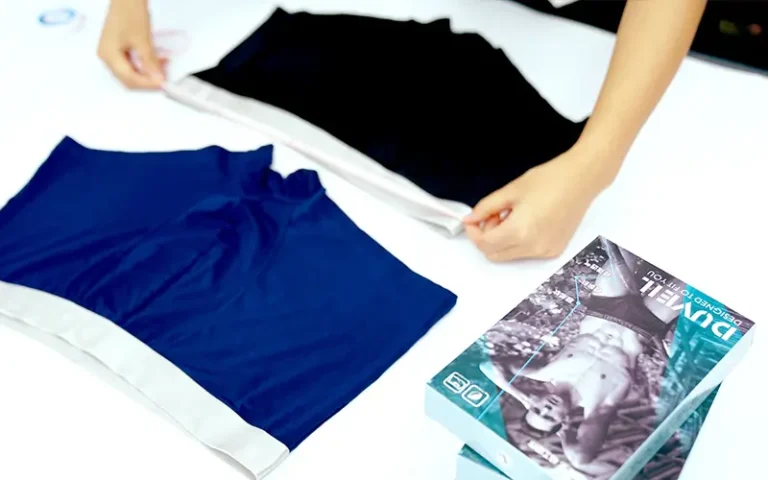
How do I read an underwear quotation line by line?
How to read an underwear quotation line by line: fabric, elastic and trims, labour, packaging, testing, overheads and…
Read more →
How do peak seasons affect apparel factory capacity?
How peak seasons and holidays affect apparel factory capacity and lead times, why fabric and shipping are also…
Read more →
Should I split one style across two factories?
Whether to split one apparel style across two factories: the benefits for capacity and risk, the risks for…
Read more →
What are the biggest risks on a small brand’s first order?
The biggest risks on a small brand's first apparel order, from unclear specifications and sample approval to payment,…
Read more →
What changes should a factory notify before production?
Which changes a factory should notify the buyer about before production, such as fabric, dye, trims, subcontracting or…
Read more →Request a sample & pricing information
Send us your tech pack, target price or a reference sample — we reply with a quotation, a realistic lead time and a fabric recommendation within one working day.
- Free sampling plan & cost breakdown
- MOQ from 300 pcs per style
- Reply within 1 working day